
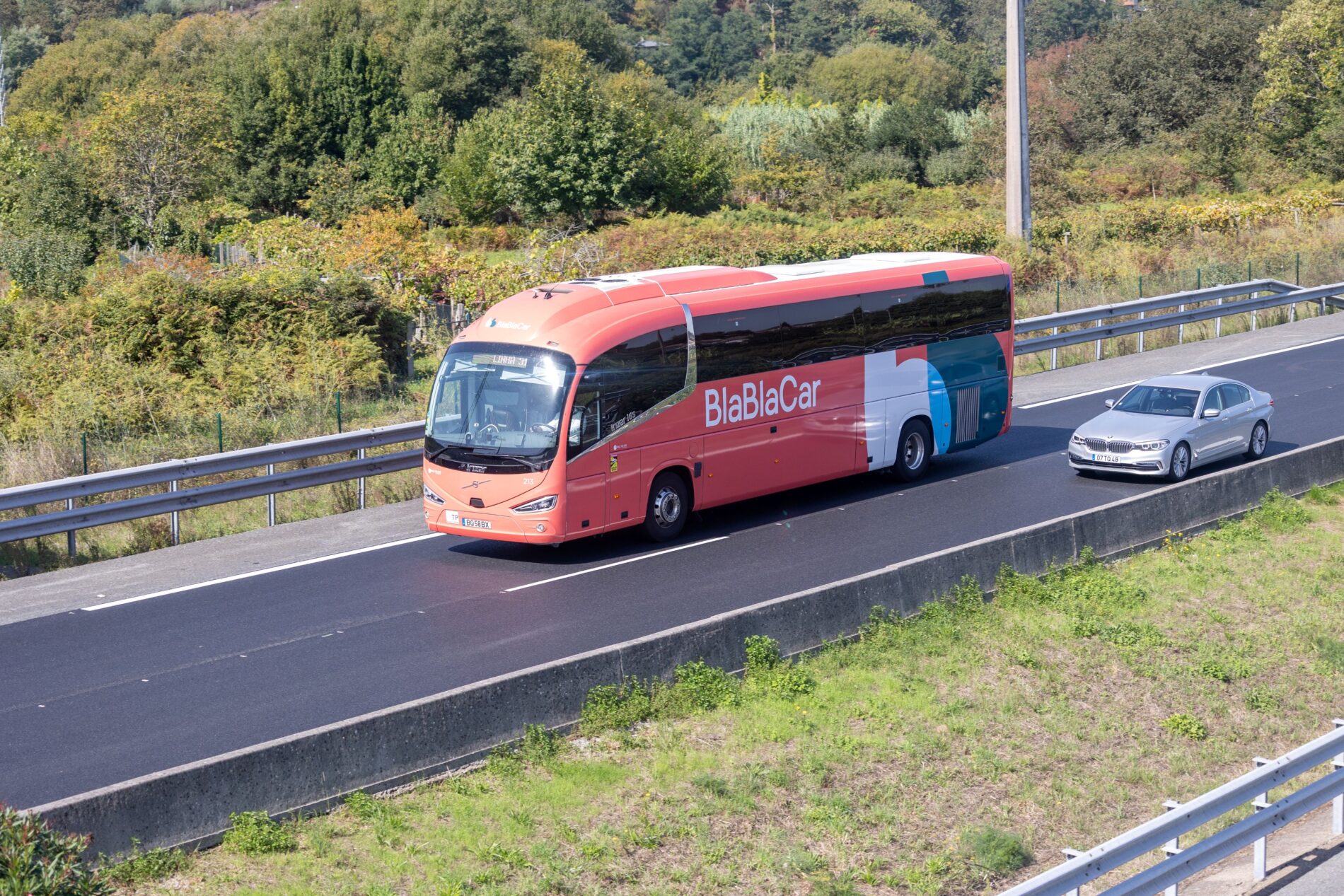
BlaBlaCar is discontinuing its national and international long-distance bus services. The company announced its withdrawal on April 23, 2026. Connections to more than 300 European cities are affected. BlaBlaCar cites fierce competition and sharply rising costs as the reasons for the closure. These costs primarily include personnel, bureaucracy, and the energy-intensive operation of the buses. In Germany, the move will affect routes from Cologne, Düsseldorf, Stuttgart, Munich, and Frankfurt to Paris, among others. Several domestic German routes will also be discontinued. Forty employees will be directly affected. (stuttgarter-zeitung: 23.04.26)
Long-distance bus withdrawal hits key routes to Paris
BlaBlaCar is pulling out of a market it had previously entered aggressively. The provider launched with very cheap tickets, with seats on some routes costing as little as 99 cents at times. This put BlaBlaCar in direct competition with the German market leader, Flixbus.
The price war, however, proved risky. Low fares leave little room for rising costs. At the same time, energy prices, wages, and regulations are driving up operating costs. As a result, a dense network of routes quickly loses its economic viability.
Rising costs are putting a massive strain on the bus business
The German Bus and Coach Association (BDO) describes the situation as increasingly difficult. Spokesperson Luca Roggenkamp explained: “The shortage of drivers is worsening due to demographic trends, personnel costs are rising, and bureaucratic requirements are constantly increasing.” This development is particularly affecting providers with many partner companies.
BlaBlaCar relied on around 60 European transport companies for its long-distance bus service. These companies operated the routes on behalf of BlaBlaCar Bus. But every additional cost worsens the profitability. Energy prices have a particularly direct impact because every trip consumes fuel.
Tax burden intensifies competition with rail and air travel
Roggenkamp also criticizes the industry’s tax treatment. He stated: “In long-distance and coach travel, buses are significantly disadvantaged compared to rail and air travel in terms of taxation.” Trains only benefit from a reduced VAT rate. International air travel is exempt from VAT. Coaches, on the other hand, must pay the full rate.
This creates new gaps in European transport options for travelers. Price-conscious customers, in particular, are losing a cost-effective alternative. However, BlaBlaCar does not intend to disappear from the mobility market entirely. The ride-sharing platform will continue to operate. The company also plans to continue brokering bus tickets from other providers.