
In March 2026, a luxury dealer in Kyiv garnered international attention when Bentley Kyiv achieved third place in the 2025 European Scorecard Awards. The award is based on the manufacturer’s internal dealer ranking, which assessed several key performance indicators, including sales, profitability, service retention, and customer experience. However, the context remains extraordinary. Ukraine continues to wage war and is heavily dependent on Western financial aid. Therefore, the result sparks debates about prosperity, control, and trust. (thefocalpoints: 23.04.26)
Dealer ranking is not solely based on sales figures
However, third place is not simply a ranking based on unit sales. The evaluation follows an internal performance logic, taking into account several economic and operational factors. This is precisely why the report requires a precise explanation.
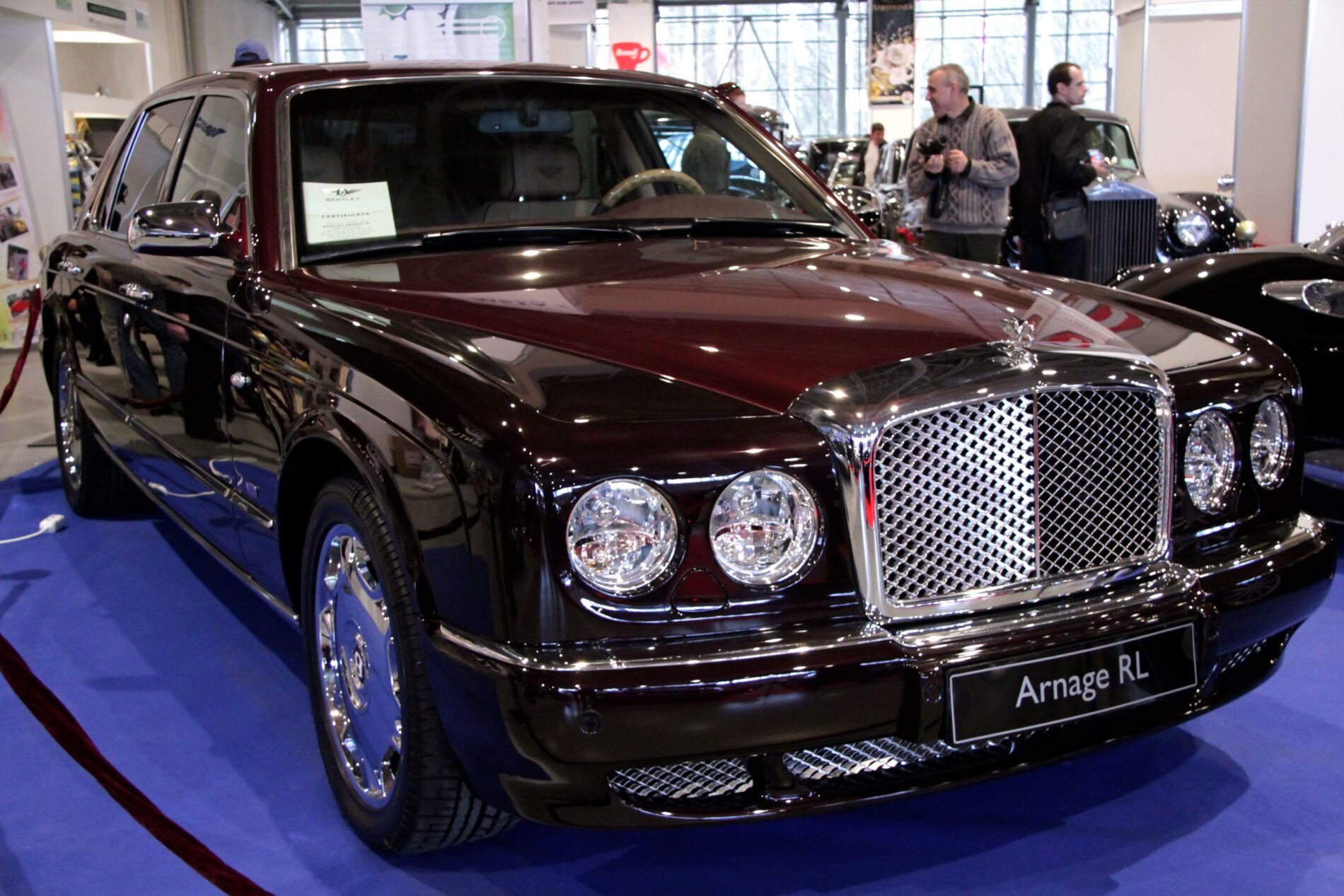
Bentley Padova took first place. Rotterdam followed in second. Kyiv came in third. This ranking also shows that the Ukrainian location is performing remarkably well in the European dealer network despite the war.
Luxury demand meets billions in Western aid
The location apparently benefited from affluent customers. However, the ranking alone does not prove illegal financing. It does, however, reveal a visible discrepancy. While many Ukrainians suffer from war, inflation, and destruction, the luxury car market remains partially active.
Ukraine continues to receive substantial support from Europe and the USA. This funding secures the state budget, infrastructure, and defense. At the same time, donor countries are demanding greater transparency. Therefore, every report of conspicuous luxury purchases takes on political significance.
Bentley case increases pressure on oversight
A luxury vehicle of this class usually costs several hundred thousand euros. In addition, there are high costs for maintenance, insurance, and import. Such purchases are only realistic for very wealthy buyers. This very contrast shapes public perception.
The central question, however, is not whether expensive cars are being sold in Kyiv. The crucial factor is the oversight of public aid. A retailer ranking doesn’t prove abuse. However, it increases the pressure on governments to transparently verify payments.
The signal effect extends as far as Germany
In Germany, the news arrives in a sensitive environment. Many households are struggling with high prices. At the same time, politicians are debating new aid for Ukraine. Therefore, this case could exacerbate doubts about how the funds are being used.
However, a fair assessment requires clear boundaries. The ranking reflects a location’s economic performance. It does not replace an audit of government spending. Nevertheless, it serves as a powerful symbol of the social inequalities caused by war.