
A conflict is escalating between Brussels and Washington over the EU’s Methane Regulation, as the regulation’s new climate requirements—set to take effect in January 2027—are intended to apply to oil and gas suppliers outside of Europe as well. Consequently, the United States is threatening to halt its oil and gas shipments to the EU unless Brussels relaxes the rules for fossil fuel producers. Energy providers, industry, and households would all be affected, given Europe’s heavy reliance on U.S. gas, LNG, and crude oil. The timing further heightens the volatility of the situation, as the new import restrictions are set to come into force in the middle of winter. (reuters: 19.05.26)
Methane Regulation Jeopardizes U.S. Oil and Gas Supplies Starting in 2027
The Methane Regulation aims to reduce emissions generated during the extraction, transport, and processing of oil and gas. While the regulation has been in effect since 2024, its critical import requirements will not take effect until January 2027. At that point, third countries will be required to adhere to standards comparable to those followed by producers within the EU.
Consequently, energy companies face additional obligations regarding measurement, reporting, and verification. Furthermore, the regulation prohibits routine venting and flaring in the oil and gas sector. Those who violate these requirements face the risk of fines.
Washington Views EU Rules as Impractical
US Ambassador Andrew Puzder has sharply criticized the requirements, labeling the regulations “impractical.” As a result, Washington has signaled the possibility of halting supplies after January 1, 2027, should the EU fail to alter its course.
However, this threat comes at a sensitive time for Europe. The United States is also able to sell its oil and liquefied natural gas (LNG) to Asian markets. In that region, China and India are currently seeking additional supplies, while disruptions in the vicinity of the Strait of Hormuz are placing strain on supply chains.
Europe’s Dependence Makes the Conflict Risky
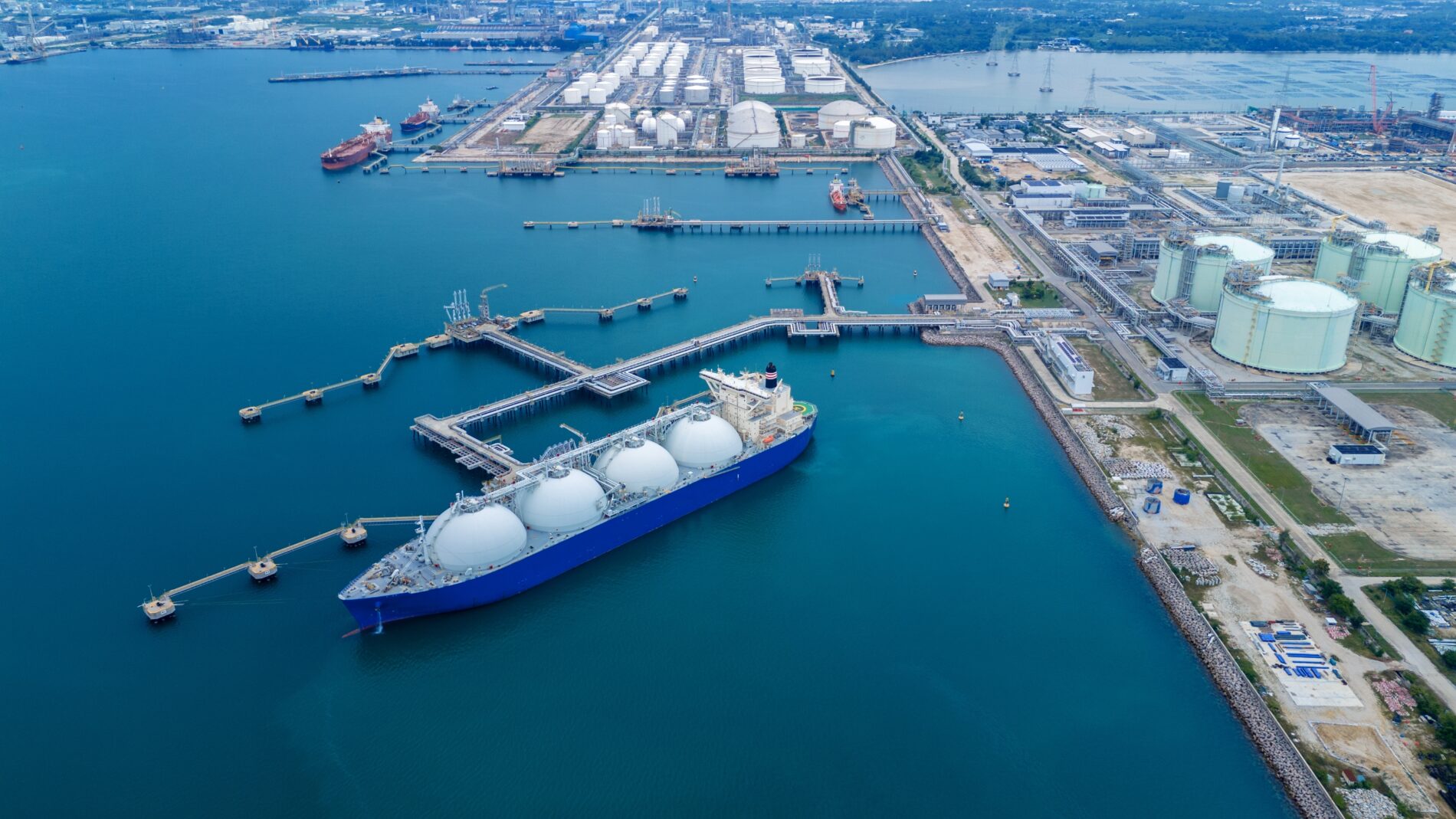
The United States ranks among the EU’s most important energy suppliers. It supplies 75.6 billion cubic meters of gas, placing it second only to Norway. In the LNG sector, approximately 58 percent of the EU’s imports originate from the United States.
Consequently, the methane regulation represents something far more significant than a mere dispute over reporting requirements. Approximately 15 percent of Europe’s oil imports also come from the United States. A halt in supplies could therefore drive up prices and disrupt procurement plans across Europe.
Brussels Must Balance Climate Goals and Supply Security
Consequently, a debate regarding potential relaxations is apparently underway in Brussels. The EU aims to reduce methane emissions while simultaneously having to secure key supply relationships. For Germany, higher energy prices and renewed import uncertainty would be particularly critical.
MEP Auke Zijlstra warns of a significant supply gap. “Either we buy gas from the USA, or we face a 25 percent supply gap starting in January,” he said. This turns the dispute into a direct test for Europe’s energy policy.