
In Berlin, the draft amendment to the 2027 Renewable Energy Sources Act (EEG) is intensifying the conflict surrounding small-scale hydropower plants, as facilities with a capacity of less than 25 kilowatts are slated to no longer receive feed-in tariffs in the future. According to the Central German Hydropower Association, this would affect approximately 150 of the roughly 600 active EEG-certified facilities across the states of Saxony, Saxony-Anhalt, and Thuringia. In Thuringia alone, more than two-thirds of active facilities would fall below this threshold. Consequently, industry associations are warning of stalled renovations, halted reactivation projects, and a decline in decentralized power generation. (wasserkraftverband: 19.05.26)
Small Hydropower Plants Lose Their Economic Viability
The proposed threshold primarily impacts sites with low output. However, many of these facilities generate electricity for a large number of hours throughout the year. Therefore, focusing solely on installed capacity is insufficient. The Federal Association of German Hydropower Plants points to an average of approximately 5,000 full-load hours per year.
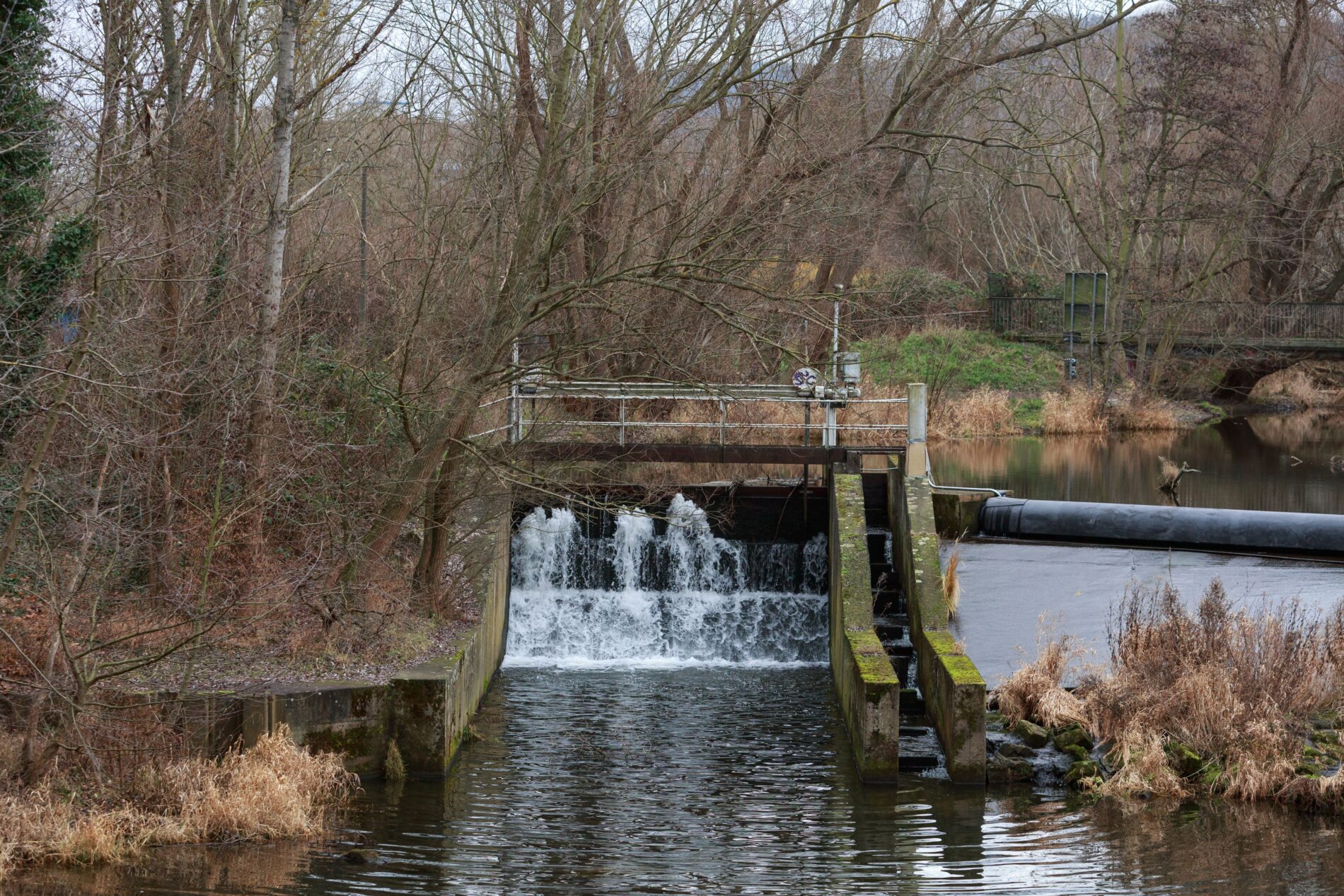
For operators of small-scale facilities, the EEG feed-in tariff is a crucial element of investment planning. Without this revenue, investments in new turbines, control systems, or environmental upgrades often cease to be economically viable. At the same time, regulatory requirements regarding waterways, technology, and operations are becoming increasingly stringent. Consequently, many family-run businesses and historic mill sites find themselves in a precarious situation.
Thuringia and Central Germany Would Be Particularly Affected
In Central Germany, the impact of the 25-kilowatt threshold is particularly evident. Roughly one in four active hydropower plants currently receiving EEG support within the regional association’s territory falls below this limit. In Thuringia, however, the proportion is significantly higher; there, the proposed regulation would encompass more than two-thirds of all active facilities.
The repercussions extend far beyond individual operators. In many locations, small-scale hydropower plants serve to maintain existing hydraulic engineering structures. Furthermore, they keep historic technical landscapes—such as traditional mill sites—operational. If investments dry up, municipalities stand to lose not only their local power generation capacity but also their long-established infrastructure.
End to Subsidies Impacts More Than Just Electricity Output
Nationwide, industry associations are warning of a far broader impact. According to the German Hydropower Association (Bundesverband Deutscher Wasserkraftwerke), more than 50 percent of Germany’s approximately 7,300 hydropower plants would be affected. The industry views this as a contradiction to the nation’s stated goal of ensuring security of supply, given that hydropower generates electricity independently of sunlight, wind, or the time of day.
The draft legislation regulates small-scale producers solely through a rigid capacity threshold. However, hydropower plants provide significant systemic benefits to regional power grids—including predictable electricity generation, local voltage support, and technical operational availability. Consequently, the industry associations are calling for an assessment framework based instead on annual energy output, operational reliability, and grid utility.
Associations Demand Correction to EEG Framework
The Central Germany Hydropower Association is calling for the cancellation of the planned cessation of subsidies for facilities under 25 kilowatts. Martin Richter offers a clear critique of this blanket threshold: “The blanket 25 kW limit does not do justice to hydropower.” He also highlights the regional benefits provided by small-scale facilities. In the Association’s view, the EEG must not force this form of generation out of the market.
This debate touches upon a sensitive aspect of the energy transition. Germany requires more flexible and reliable power generation distributed across the country. While small-scale hydropower cannot replace large power plants, it serves to stabilize local grids. If a significant number of these facilities are taken offline, the diversity of renewable electricity sources will diminish.