
In Germany, the day-ahead electricity price for Thursday, May 28, 2026, rose significantly because a heatwave across Europe increased electricity demand for cooling while, at the same time, wind power generation was expected to drop sharply. This additional demand for cooling arose primarily in air-conditioned buildings, offices, shopping centers, data centers, industrial facilities, supermarkets, cold storage units, and logistics chains. The price climbed by 29 percent as the market anticipated lower wind power output and increased reliance on conventional generation. Consequently, more expensive gas- and coal-fired power plants had to step in to a greater extent. Electricity customers with short-term procurement needs were particularly affected. Meanwhile, high solar power generation provided only temporary relief. (reuters 28.05.26)
Day-Ahead Electricity Price Reacts to Low Wind Power Output
The price surge was not caused by a single power plant outage. However, the decisive factor was the combination of high temperatures, low wind speeds, and increased cooling demand. The day-ahead electricity price reacts particularly quickly to such weather conditions, as trading reflects the anticipated electricity supply situation for the following day.
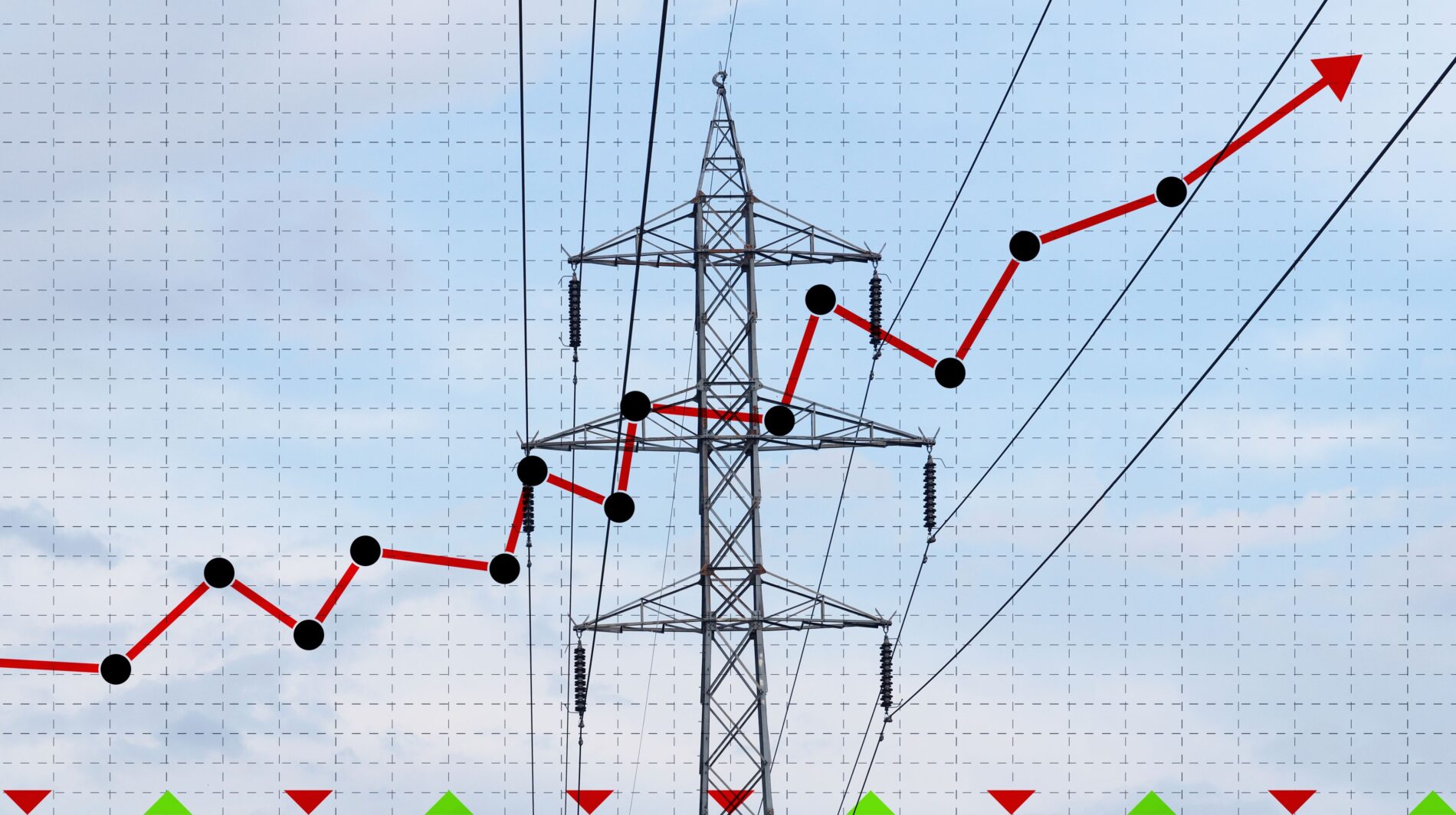
According to market data, German wind power output was expected to decline by 9.7 gigawatts on Thursday. Consequently, wind production was projected to reach a level of just 4.4 gigawatts. Furthermore, the residual load was expected to rise by 8.2 gigawatts, reaching 23.5 gigawatts. This metric indicates the demand that must be met by other power plants.
Gas and Coal Regain Market Share
When wind power is in short supply, dispatchable power plants must supply more electricity. Consequently, costs rise whenever gas and coal-fired power plants more frequently act as the price-setters. These plants generate electricity at a higher cost than many renewable energy facilities. This effect is particularly pronounced in short-term trading.
High solar power production provided significant support, particularly around midday. While the sun supplied ample electricity, the overall supply situation remained more relaxed during the day. However, during hours with low wind speeds, this effect proved insufficient; the market required additional firm capacity.
Heatwave Increases Cooling Demand in Germany and France
The prevailing weather conditions intensified the need for electricity for air conditioning and cooling systems. Consequently, demand rose across several European countries. In Germany, temperatures in the south and west were expected to reach up to 30 degrees. France, too, had to anticipate a high cooling load.
There, expected temperatures at midday exceeded 30 degrees in many regions. Moreover, this spell of warm weather was forecast to persist until the weekend. The day-ahead electricity price thus demonstrated once again the profound influence that weather data exerts on the power market. Ultimately, for consumers, annual production from renewable energy sources is not the only factor that counts; what is decisive is whether wind, solar power, and reliable conventional power plants are available at the right moment.