
For many electric vehicle owners, public charging is turning into a financial trap. Prices are rising sharply—particularly at fast-charging stations, along highways, and when making spontaneous, ad-hoc payments. For vehicles with large battery packs, a full charge at a public station can now cost around 70 euros. Consequently, a central promise of electromobility is losing its credibility: that driving on electricity is cheaper than driving on gasoline or diesel. (wiwo: 13.05.26)
Fast Charging Significantly Increases the Cost of an Electric Car
The figure seems extreme at first glance. However, it is easily explained. With a large battery of just under 80 kilowatt-hours and a price of 89 cents per kilowatt-hour, a full charge at public charging stations costs a good 70 euros. Such prices arise primarily when drivers charge without a suitable contract or settle via expensive roaming tariffs.
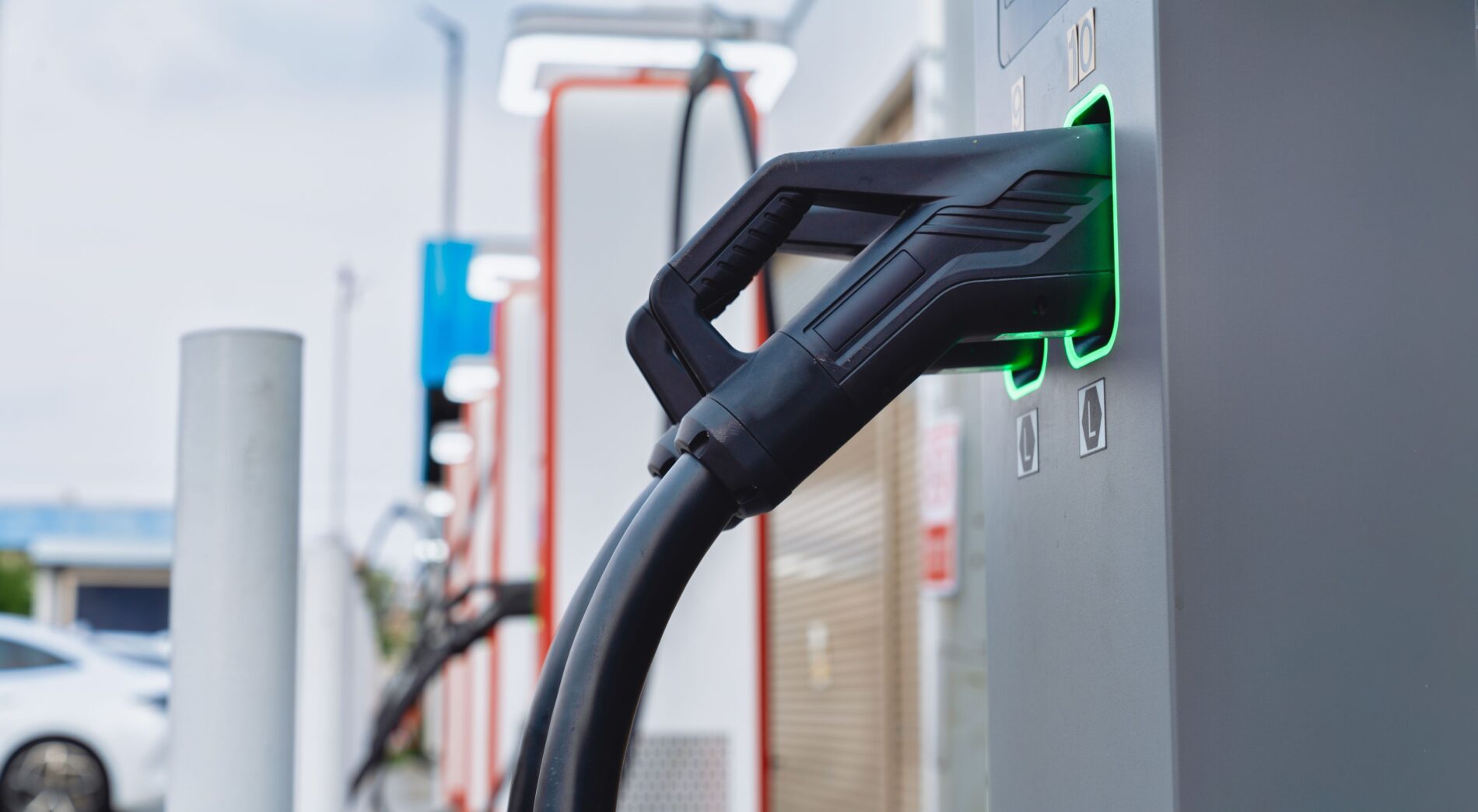
This problem does not affect every EV driver equally. Those who charge at home using their own wallbox usually pay significantly less. It becomes particularly economical when combined with a photovoltaic system or a specialized electricity tariff for electric vehicles. However, these advantages primarily benefit homeowners with their own dedicated parking spaces.
Tariff Chaos Turns Charging Stations into Cost Traps
The situation is quite different for renters, city dwellers, and frequent drivers. They often rely on the public charging network. It is precisely here that prices vary most widely. Costs escalate particularly rapidly at highway charging stations, when using fast chargers, or when making spontaneous payments without a contract.
The ADAC has long been highlighting these significant price disparities. Charging without a contract can be considerably more expensive than using a tariff linked to a mobile app or a dedicated charging card. On highways, electricity prices for EVs can sometimes exceed 80 cents per kilowatt-hour. As a result, the cost advantage typically associated with electric vehicles shrinks considerably.
Many Drivers Lose Track of the Costs
For many drivers, the pricing structure remains almost completely opaque. A complex interplay of operators, apps, charging cards, roaming partners, and subscription models creates a market landscape that few people can readily navigate. Two different drivers charging at the very same station may end up paying different prices. The decisive factor is not merely the location, but also the specific tariff chosen.
Roaming surcharges are a particularly critical issue. Drivers who use a third-party charging station via their own service provider often end up paying a premium. On top of this, there may be additional fees such as “blocking fees” (for occupying a station after charging is complete) or time-based charges. Consequently, public charging for electric vehicles can easily become a financial trap—even though the actual cost of the electricity consumed might initially appear quite reasonable.
More Charging Points Do Not Automatically Lower Prices
Germany continues to expand its charging infrastructure. According to the Federal Network Agency, as of early April 2026, more than 149,000 standard charging points and over 51,000 fast-charging points were in operation. The number of charging points is therefore on the rise. However, having more charging points does not automatically translate into lower prices.
Fast chargers remain expensive to build and operate. They require high-capacity grid connections, complex technology, maintenance, and digital billing systems. At some locations, low utilization rates add to the challenge. Operators attempt to recoup these costs by setting high charging rates.
Renters Often Pay More to Charge
High public charging rates create a clear imbalance. Those who own a house, a garage, and a wallbox can charge their vehicles at a low cost. Conversely, those living in rented apartments without a dedicated parking space are forced to rely more frequently on public charging stations. Consequently—and ironically—it is often urban residents who end up paying more.
This trend undermines public acceptance of electric mobility. Policymakers are placing a strong emphasis on the transition to electric vehicles; yet, at the same time, many households lack access to affordable charging infrastructure. Without affordable public charging tariffs, electric cars remain a less attractive option for broad segments of the population.
Long-Distance Travel Becomes Financially Riskier
Commuters, company car drivers, and vacationers, in particular, must calculate their costs carefully. Anyone who regularly drives long distances should compare tariffs, select suitable providers, and avoid expensive ad-hoc charging sessions. Otherwise, long-distance travel can quickly turn into a financial trap.
Ultimately, what matters most to the consumer is the cost per kilometer. This is precisely where the situation becomes critical: an electric vehicle with high energy consumption on the highway—when combined with expensive fast charging—can incur costs that approach those of a fuel-efficient internal combustion engine vehicle.
Transparency Alone Is Not Enough
The Federal Network Agency emphasizes that operators of public charging points are, as a general rule, free to set their own prices. However, new public charging points are now required to clearly and comparably display ad-hoc pricing. While this improves transparency, it does not yet result in lower prices.
Consumers require clear information before initiating a charging session. The price per kilowatt-hour must be immediately apparent. Additional costs—such as idle fees or per-minute rates—must also be displayed transparently. Without this information, the market remains confusing and opaque.
Purchase Decisions Increasingly Depend on Charging Habits
This debate highlights a fundamental issue within the field of electromobility: owning an electric vehicle is not automatically inexpensive to operate. Actual costs depend heavily on where and how the vehicle is charged. When charging at home, an EV can be an economically attractive option; however, when charging on the road, costs can quickly add up.
Consequently, the decision-making process for purchasing a vehicle is shifting. Prospective buyers must look beyond just range, battery capacity, and purchase price; they must also assess whether they will be able to charge their vehicle regularly at an affordable rate. Without a private home wallbox or a reliable charging plan, the financial risk increases. While the charging infrastructure continues to expand, the pricing structure remains confusing and expensive. For many drivers, the deciding factor regarding a vehicle’s suitability for daily use will no longer be its driving range, but rather the price at the nearest fast-charging station.