
The German Association of the Automotive Industry (VDA) anticipates a significantly sharper reduction in automotive jobs in Germany by 2035 than previously expected. VDA President Hildegard Müller cited current projections indicating that 225,000 jobs are at risk due to the transition to electric mobility. This figure is 35,000 higher than previously assumed. The driving factors behind this are the shift from internal combustion engines to electric mobility, unfavorable business conditions, and high costs in Germany and Europe. Suppliers, in particular, are consequently facing jeopardy, while Mercedes-Benz is simultaneously transferring more than 1,100 employees in Berlin and Brandenburg to a British investor as part of a restructuring of its sales operations. (welt: 13.05.26)
VDA Views Suppliers as Primary Losers in the Shift to Electric Vehicles
However, the greatest risks do not lie solely with the major manufacturers. Many automotive suppliers remain heavily dependent on the internal combustion engine; consequently, the transition to electromobility hits them particularly hard.
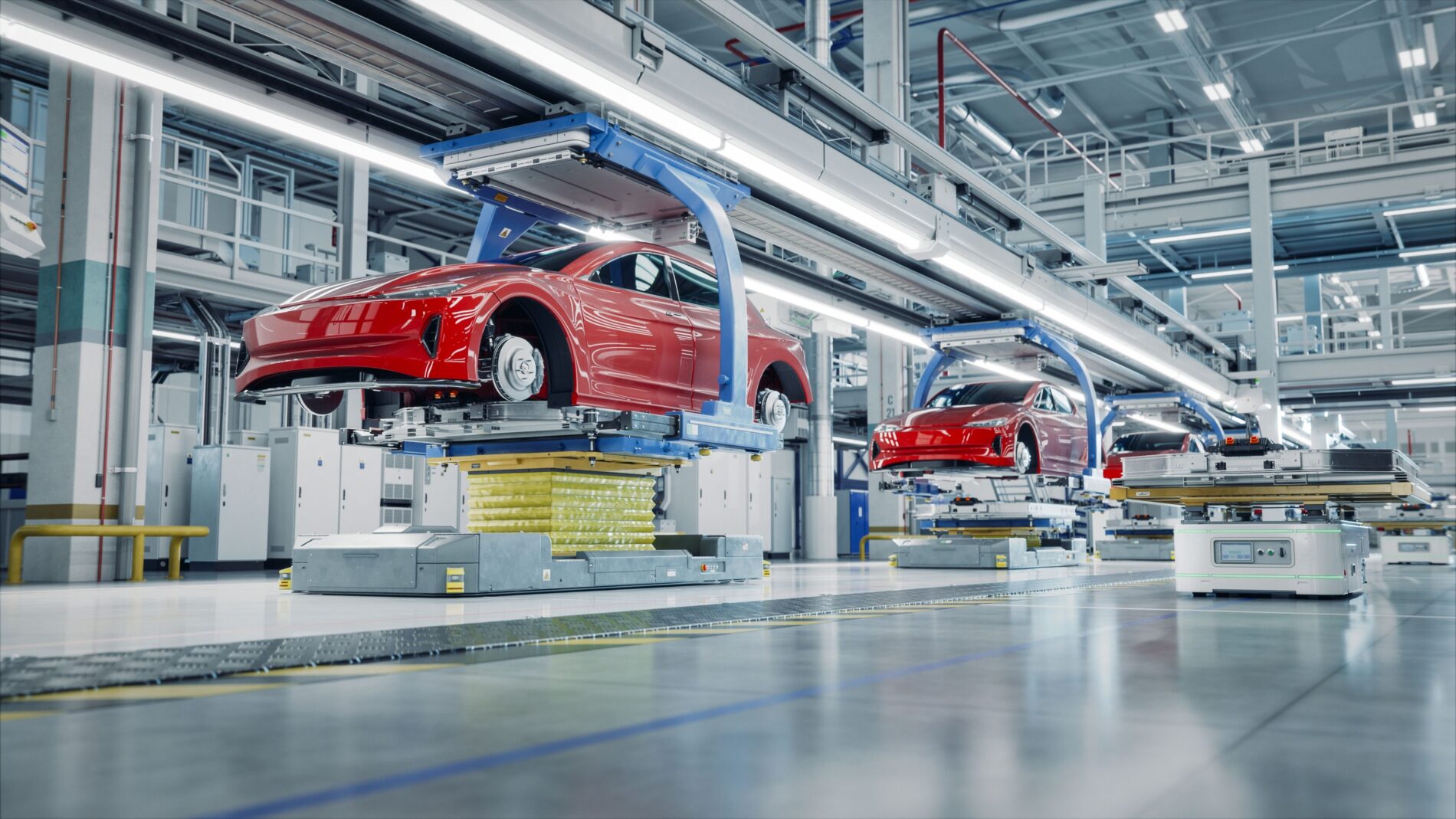
At the same time, engines, transmissions, and traditional powertrain components are losing their significance. Electric vehicles require different components and less complex drive systems. Consequently, companies that have historically relied on these specific parts for their livelihood are coming under particular pressure.
The VDA also attributes the situation to the prevailing conditions for industrial operations. Hildegard Müller describes the current state in Germany and Europe as a severe and persistent crisis. Concurrently, she points to the increasing burdens facing businesses.
High Energy Prices and Bureaucracy Exacerbate Job Losses
However, technical shifts are not the only central challenges at play. High taxes, expensive energy, high labor costs, and excessive bureaucracy place additional strain on the industry. As a result, Germany is losing its appeal as an investment destination for many companies.
For automotive suppliers, this creates a twofold problem: they must develop new products while their traditional business segments are shrinking. Furthermore, many medium-sized enterprises lack the financial muscle of large corporate groups.
The VDA is therefore calling for a change of course in European industrial policy. Müller advocates for greater flexibility and a technology-neutral approach on the path toward climate neutrality. She estimates that such measures could help preserve approximately 50,000 jobs in Germany.
Mercedes Restructuring Reflects Shift in Sales Operations
Mercedes-Benz, too, is overhauling its organizational structures. In Berlin and Brandenburg, more than 1,100 employees are transferring to a British investor. Consequently, this restructuring impacts not only manufacturing plants and suppliers but also the sales network.
For the workforce, the critical question now is whether new owners will secure the future of their respective sites. At the same time, this move demonstrates just how deeply this transformation penetrates the entire value chain; production, supply, and sales are all undergoing simultaneous change.
The figure of 225,000 jobs at risk therefore represents more than just an industry forecast. It highlights a systemic issue regarding Germany’s industrial base—one with direct consequences for employees, regional economies, and the nation’s overall industrial strength. Without improved structural conditions, the automotive industry faces a prolonged path of downsizing stretching all the way to 2035.