
On Wednesday, May 13, 2026, the Federal Government approved the construction of new gas-fired power plants and additional generation capacity to enhance security of supply, as wind and solar power cannot guarantee power availability at all times. To this end, the Federal Cabinet initiated the draft of the Electricity Supply Security and Capacity Act. The driving factors behind this move are the phase-out of coal by 2038, the fluctuating output from renewable energy sources, and the risk of “dark lulls”—periods of low wind and solar generation. Consequently, plans call for the initial tendering of 11 gigawatts of new generation capacity starting in the summer of 2026. As a result, electricity consumers must anticipate a new surcharge beginning in 2031—a development occurring while high energy prices have already been placing a heavy burden on industry, small and medium-sized enterprises, and private households for years.
Gas Power Plants Intended to Guarantee Supply Security
In restructuring the electricity system, the Federal Government is relying primarily on new gas power plants. These are intended to step in when wind turbines and solar installations generate insufficient electricity. The plans thus also confirm that weather-dependent generation alone cannot replace guaranteed capacity.
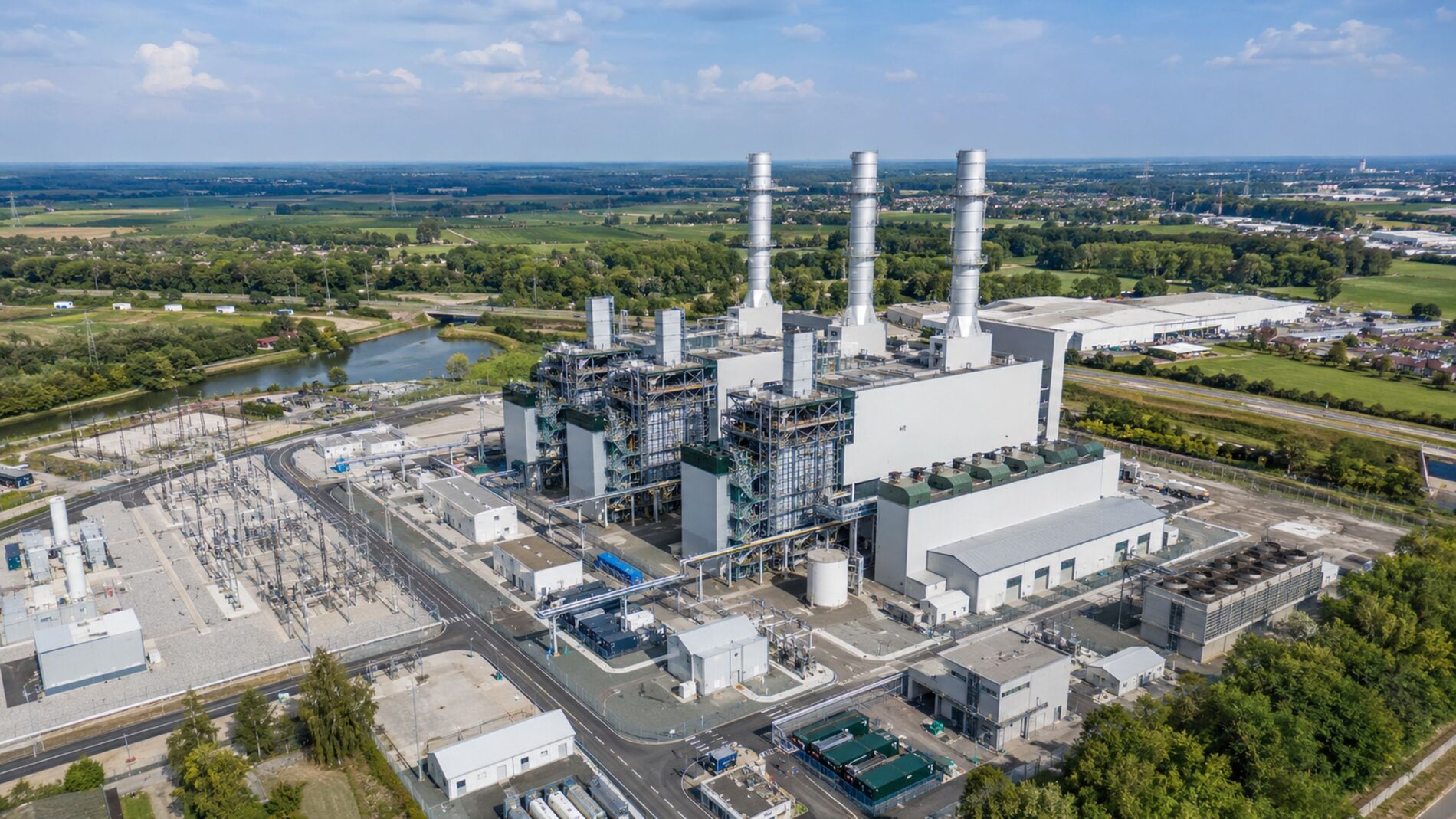
This demand does not arise by chance. Germany is phasing out coal-fired power generation and has already exited nuclear power. Consequently, the country requires additional facilities capable of generating electricity on short notice—regardless of weather conditions—to ensure security of supply.
Construction Program Favors Modern Gas Power Plants
The initial tenders focus primarily on long-term capacity. Consequently, a total of nine gigawatts must be capable of supplying electricity over extended periods. This requirement is particularly well-suited to modern gas power plants.
In total, the initiative involves approximately ten gigawatts of new nominal power plant capacity. Furthermore, an additional two gigawatts—exempt from the long-term supply criterion—are slated to follow. This provides operators with planning certainty for new facilities.
Surcharge Finances New Construction
Funding is provided through a surcharge that will be levied on electricity consumers starting in 2031. This is because new gas power plants must remain available even if they generate electricity only infrequently. Operators therefore receive compensation simply for making their power plant capacity available to ensure short-term security of supply.
The Federal Government has not yet disclosed the exact amount of this surcharge. Ultimately, the costs will depend on the results of future tenders. For households, skilled trades, and industry, this represents yet another cost component added to their electricity bills.
Gas Power Plants Drive Up Costs in an Already Expensive Electricity System
The planned construction program exacerbates a well-known problem: electricity prices already rank among Germany’s most significant competitive disadvantages. Consequently, new surcharges serve to increase precisely those costs that many companies—already struggling amidst the current crisis—can barely afford to bear.
Politically, this carries significant weight. After all, the government had previously held out the prospect of relief regarding energy prices. Yet, by financing new gas power plants, it is now effectively planning the next price hike.
Hydrogen Mandate Aims to Limit Fossil Fuel Dependence
New gas-fired power plants must be convertible to run on hydrogen at a later date. Furthermore, they are required to operate in a greenhouse gas-neutral manner after 2045. However, these requirements do not alter the costs anticipated over the coming years. At the same time, electricity generated from hydrogen is likely to be particularly expensive. This is because, initially, hydrogen must be produced from electricity. Subsequently, the hydrogen must be stored, transported, and then converted back into electricity at the power plant. Energy is lost at every step of this process. According to various studies, by the end of the cycle, often only around 20 to 33 percent of the originally input energy remains available as usable electricity. Consequently, hydrogen is of only limited suitability for electricity generation. Its use is far more sensible in applications where it can directly replace fossil fuels—for instance, in general industry, the chemical sector, or high-temperature industrial processes.
Concurrently, a “regional bonus” is intended to steer the construction of new power plants closer to major consumption centers. Southern and Western Germany, in particular, are considered critical regions in this regard; they currently lack reliable, dispatchable power generation capacity, whereas a significant portion of wind-generated electricity is produced in the North.
Criticism Targets Costs, Storage, and Siting Policy
Operators of energy storage facilities view the long-term operational criterion as placing them at a disadvantage. However, battery storage systems cannot generate electricity; they can only release surplus electricity that was previously stored. During prolonged periods of “Dunkelflaute”—calm, dark spells with low wind and solar output—this capacity is of limited utility, as the missing electricity must instead be actively generated. Consequently, gas-fired power plants stand to benefit significantly—particularly during the initial phase of the tender process—as they are capable of providing additional output over extended periods, provided that fuel remains available.
Environmental organizations have also criticized the extended timeframe over which financial support is being allocated to fossil fuel infrastructure. For consumers, however, the primary concern remains the financial impact: the construction of new gas-fired power plants will result in higher electricity bills before the promised cost reductions or relief measures become tangible.
Consumers to Pay for Additional Power Plant Reserves
The Bundestag is expected to deliberate on this legislation expeditiously. At the same time, the proposed model still requires approval from the EU Commission under state aid regulations. Without this formal consent, the financial support scheme for the new gas-fired power plants cannot be launched. For the power system, however, this decision marks a costly shift in direction. Germany is expanding its renewable energy capacity but must simultaneously construct new gas-fired power plants. For consumers, the crucial point remains: yet another surcharge is being added to an energy transition that is already expensive. (KOB)