
The balance of power in the German real estate market is shifting significantly in the summer of 2026. Buyers are crunching the numbers more rigorously, while sellers are finding it increasingly difficult to push through inflated asking prices. High construction interest rates and costly renovation requirements are weighing particularly heavily on older single-family homes. Consequently, marketing periods for challenging properties are lengthening, and price reductions are once again becoming a key factor. While there is no widespread price collapse, the days of sellers commanding almost arbitrary prices are over.
Price expectations are coming under increasing pressure
Recent transaction data initially still show rising prices. Condominium prices rose by 0.3 percent in the second quarter compared to the previous quarter, while single-family home prices increased by as much as 1.8 percent. However, this momentum is easing, and some major cities are already reporting price declines.
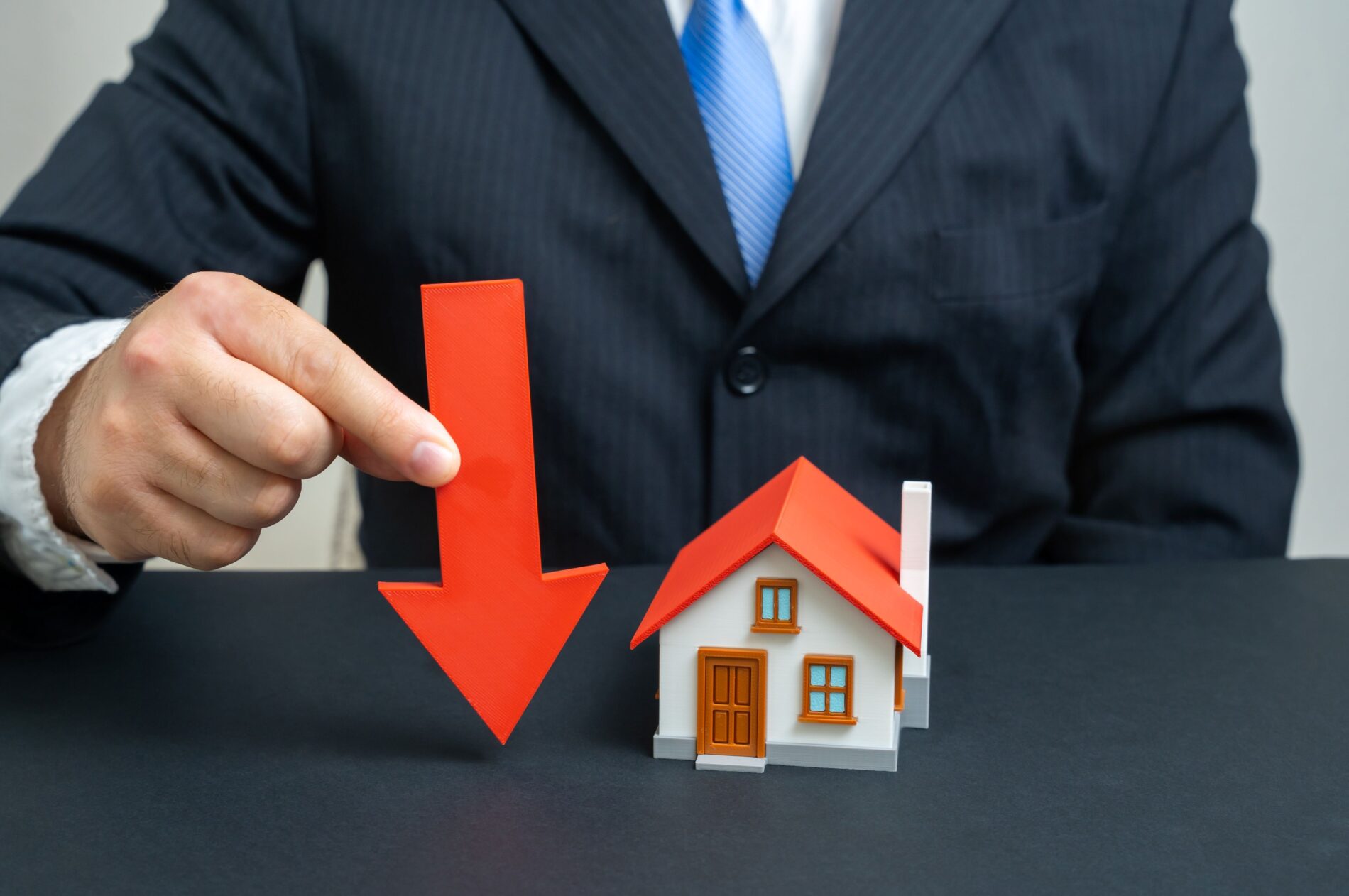
Image: Shutterstock
The gap between asking prices and actual sale prices also remains significant. For June, Sprengnetter recorded a monthly price increase of just 0.2 percent for single-family homes, while prices for condominiums stagnated. Furthermore, actual sale prices averaged 5.6 percent below the initial asking prices.
Real estate market increasingly penalizes renovation backlogs
Selling homes with poor energy efficiency is becoming particularly difficult. According to ImmoScout24, one in three single-family homes currently on the market falls into energy efficiency class G or H. At the same time, asking prices for existing single-family homes rose by only 0.3 percent nationwide in the second quarter. Consequently, buyers are deducting anticipated costs for heating systems, windows, roofing, or insulation directly from the potential purchase price.
High financing costs are further exacerbating this trend. Interhyp recently reported effective annual interest rates of between 3.84 and 4.12 percent for ten-year loans. This significantly reduces the purchase price many households can afford. If tens of thousands of euros must be invested in renovations after the purchase, ambitious asking prices quickly move out of reach.
Sellers Are Losing Their Pricing Power
However, not every region is affected to the same extent. In the second quarter, ImmoScout24 recorded a two percent increase in search activity across the eight largest metropolitan areas. Demand in rural areas actually rose by three percent. Nevertheless, the alignment of a house’s price, location, and condition is a more critical factor today than it used to be.
Consequently, there is no talk of a widespread collapse in the real estate market. Yet, the situation for sellers has changed fundamentally. Buyers are once again able to compare options, crunch the numbers, and negotiate. Anyone continuing to list an older property in need of renovation at prices from the low-interest-rate era must therefore expect longer time-on-market periods or significant price concessions.
Author: Blackout News
Sources: Welt (07.08.26) – Kiel Institut (06.08.26) – Sprengnetter (20.07.26)