
Berlin – Federal Finance Minister Lars Klingbeil has replaced budget chief Corinna Westermann in the midst of deliberations on the 2027 federal budget. This move exacerbates the budget crisis, as Westermann reportedly criticized the soundness of the financial planning internally. However, the ministry denies any connection, describing the change as having been in preparation for some time. Torge Christiansen, from the SPD parliamentary group, is taking over the department and is set to be promoted to the B9 salary grade. At the same time, the federal government plans net borrowing of €118.7 billion for the core budget in 2027.
Budget crisis hits key hub of the Finance Ministry
Westermann headed one of the most important departments within the Federal Ministry of Finance. She had also contributed to budget planning under several finance ministers—including Wolfgang Schäuble, Olaf Scholz, and Christian Lindner. The department coordinates the federal budget and evaluates the financial planning of individual ministries.
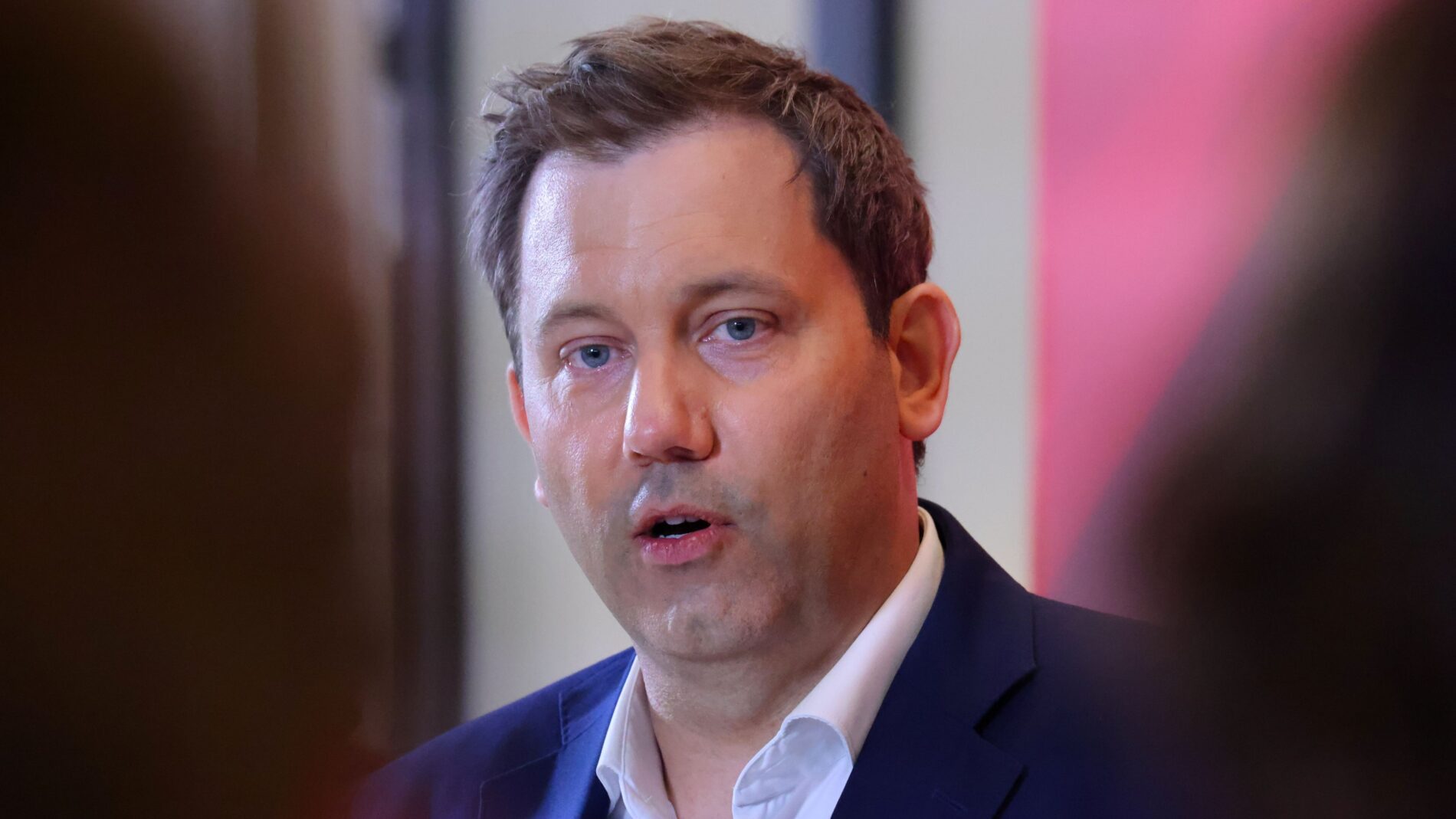
Image: Shutterstock
However, the Ministry of Finance portrays the replacement as a routine personnel change. Department heads there are classified as political appointees and can therefore be placed into temporary retirement. According to media reports, budget experts from the Bundestag parliamentary groups had already been aware of the planned personnel move for at least two weeks. This timeline suggests that the decision was not merely a spontaneous reaction to a single dispute.
Record borrowing and multi-billion-euro gaps weigh on financial planning
The government’s draft budget for 2027 projects expenditures of €555.4 billion. In addition, the federal government plans to take on €118.7 billion in new debt within the core budget. Including debt-financed special funds, total new borrowing rises to more than €200 billion. The federal government attributes this primarily to investments, infrastructure, and significantly higher defense spending.
Klingbeil has mathematically closed a previously existing €34 billion funding gap for 2027. However, the budgetary crisis is increasingly shifting to subsequent years. According to the financial plan, an uncovered funding requirement of around €22 billion remains for 2028. Media reports cite figures of €38 billion for 2029 and €47 billion for 2030.
Internal criticism regarding revenue and expenditure
According to WirtschaftsWoche, officials within the ministry are criticizing the revenue and expenditure projections. Westermann reportedly also criticized Klingbeil’s leadership style and his inner circle of advisors. Segments of her department deemed the budget planning for 2027 and subsequent years insufficiently robust; however, the ministry has not confirmed these internal allegations.
Christiansen’s appointment is therefore attracting additional attention. He comes directly from the SPD parliamentary group and, according to reports, is taking up a position at the B9 pay grade with a base salary of 14,077 euros. Yet, he is no newcomer to the Federal Ministry of Finance. Table.Briefings reports that Christiansen has previously worked in various departments of the ministry and has focused on budget and fiscal policy for years. Even so, this change in leadership comes at a time when the Bundestag can still make significant alterations to the budget.
Author: Blackout News
Sources: t-online (14.08.26) – WirtschaftsWoche (13.08.26) – Welt (13.08.26)