
In Germany, a new debate regarding the Federal Constitutional Court’s 2021 ruling on climate protection is gaining momentum in late May 2026, as climate research no longer regards the extreme scenario RCP8.5 as a central future trajectory. Consequently, legal experts are examining whether the Court in Karlsruhe based its judgment—which imposed far-reaching requirements concerning climate protection, CO₂ reduction, and future restrictions on individual liberties—upon a factual basis that has since shifted. The state, the economy, and the citizenry are all affected, as the ruling exerts a profound impact on mobility, housing, industry, and overall prosperity.
RCP8.5 Alters the Legal Landscape
Sebastian Müller-Franken of the University of Marburg views the elimination of this extreme pathway as a significant turning point for constitutional assessment. While Karlsruhe did not explicitly designate this scenario as the benchmark, the Court nonetheless based its reasoning on the assumption of a temperature rise exceeding three degrees by 2100.
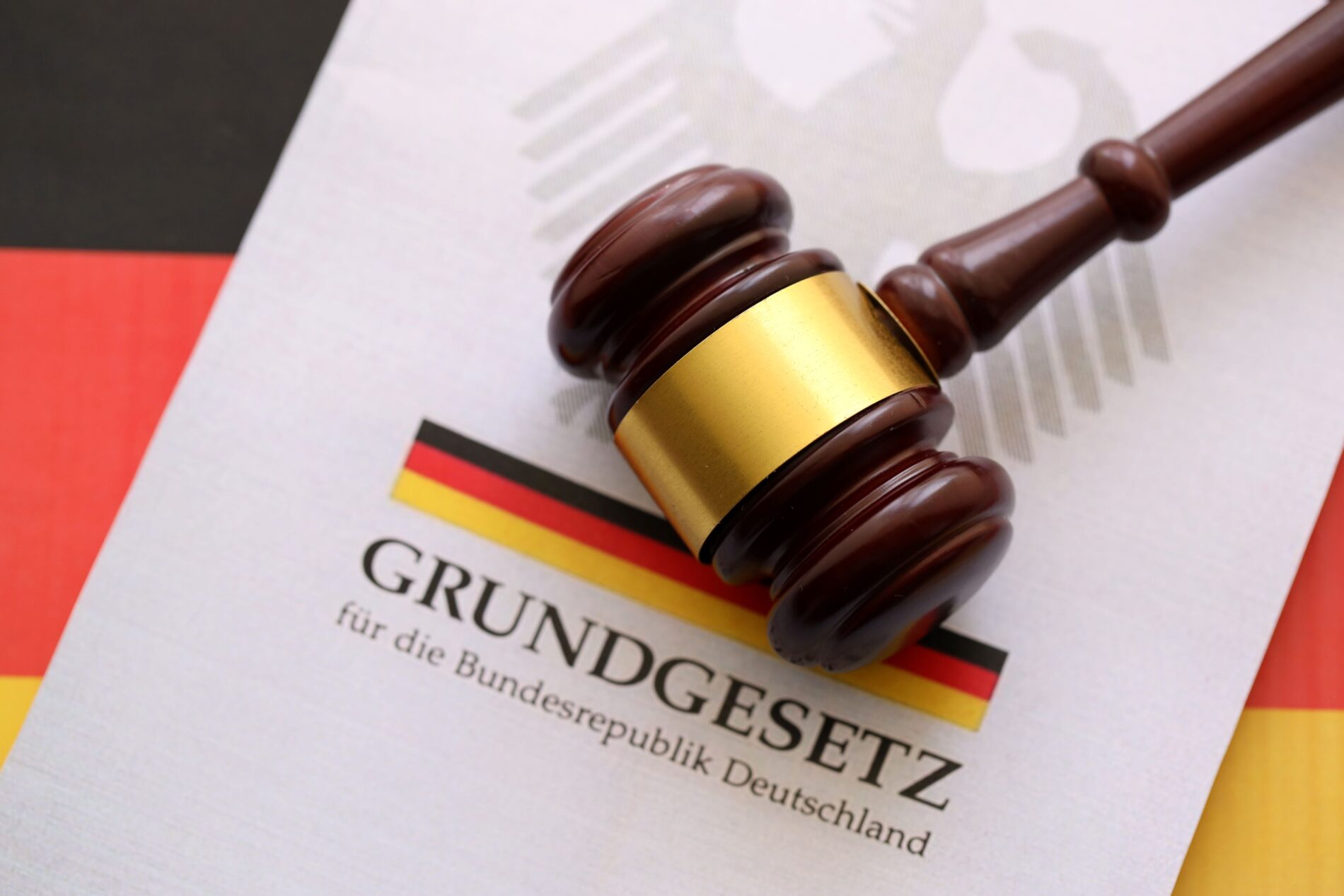
Müller-Franken views this assumption as the underlying basis for the obligations established by the Karlsruhe court. In his view, this implies greater latitude for both the government and Parliament. At the same time, he does not consider a revision of CO₂ targets to constitute an automatic breach of the Paris Agreement.
Legal Scholars Debate the Implications for Karlsruhe
Volker Boehme-Neßler of the University of Oldenburg takes a significantly more critical view of this omission. He regards the “extreme scenario” as the factual foundation for the court’s dramatic assessment of the risks involved. Consequently, he calls for a correction should new legal proceedings bring this issue before the Karlsruhe court once again.
According to Boehme-Neßler’s interpretation, the justification for severe state interventions hinges on the magnitude of the perceived danger. If that danger proves to be less extreme, the state’s authority to impinge upon future individual liberties likewise carries less weight. Moreover, this bears directly on the principle of proportionality regarding any new climate-related mandates.
The Remaining Carbon Budget Remains the Counterargument
Dietrich Murswiek of the University of Freiburg shares the criticism regarding the climate ruling, yet he views the specific leverage it provides with greater skepticism. He points to the remaining carbon budget and the objective of keeping global warming well below two degrees. Consequently, he argues, the abandonment of the RCP8.5 scenario does not necessarily undermine the core of the ruling.
This is precisely where the decisive conflict now lies. Karlsruhe can continue to base its ruling on Article 20a of the Basic Law and the protection of future freedoms. However, policymakers must also explain the extent to which they are permitted to burden citizens, the economy, and industry when central assumptions within the climate debate shift. (KOB)