
Berlin and Brussels are set to discuss new EU industrial regulations in late May 2026. The proposed EU regulation aims to bolster European manufacturing and promote climate-friendly materials. However, an internal report from the Federal Ministry for Economic Affairs warns of higher costs for electric vehicles, batteries, solar systems, and construction projects. This is triggered by planned preferential rules for European intermediate goods and low-carbon materials. Consumers, businesses, municipalities, and public contracting authorities would all be affected. Consequently, there is a risk of higher prices, rising procurement costs, and financial burdens on key industries. (welt: 28.05.26)
Brussels Aims to Make Europe’s Industry More Independent
The planned Industrial Accelerator Act is intended to safeguard Europe’s industry. At the same time, the EU seeks to reduce its reliance on suppliers outside of Europe. Consequently, the EU regulation aims to align public procurement and funding programs more closely with European products.
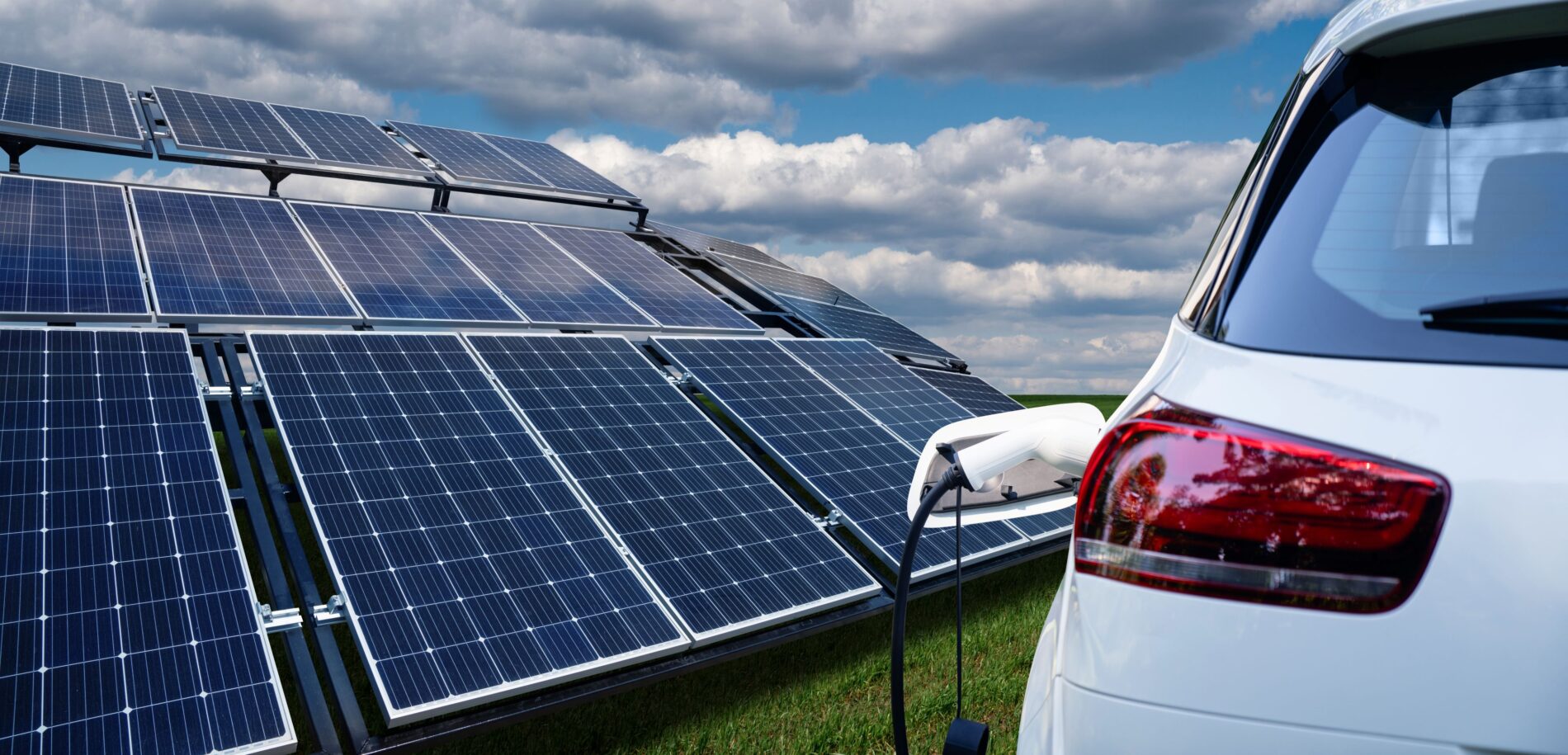
The focus lies on steel, cement, aluminum, batteries, and solar technology. Furthermore, climate-friendly intermediate products are expected to gain larger market shares. The Federal Government supports this objective in principle but anticipates significant cost implications.
Electric Vehicles and Solar Systems Face a Cost Trap
Regarding electric vehicles, the report projects additional costs of 630 euros per vehicle starting in 2030. This surcharge is primarily linked to European battery requirements. Additionally, cars manufactured using low-carbon steel could become nearly 70 euros more expensive.
Solar systems and batteries could also see price increases. At the same time, manufacturers would need to restructure their supply chains more rapidly. Consequently, consumers would often feel the impact of these costs—either directly or indirectly.
EU Regulation Also Burdens the Construction Sector and the State
Public contracting authorities would have to anticipate higher prices for climate-friendly products. As a result, municipalities, federal states, and the federal government may need to budget more funds for procurement. Infrastructure projects could also become more expensive.
The report highlights significant consequences for value creation. In the automotive industry, potential losses are estimated at 291 million euros. In the construction sector, the projected figure is even higher, reaching 691 million euros.
Trade Disputes Could Trigger Additional Costs
The EU aims to reshore key supply chains to Europe. Concurrently, trading partners could react to European preference rules with countermeasures. This would place an additional burden on export-oriented companies.
According to the assessment, the EU regulation could increase construction costs by 0.45 percent. Furthermore, sectors dependent on imports would be particularly vulnerable. While Europe seeks greater control over key industries, global supply chains could become both more expensive and more complex.
Faster Approvals Remain the Greatest Offset
However, the report also identifies potential areas of relief. Faster and digitized approval processes could generate savings of up to 240 million euros. Furthermore, investment could be directed more heavily toward European production sites.
The EU links the new lead markets to specific industrial policy objectives. At the same time, the aim is to secure or create nearly 150,000 jobs. For the year 2030, the report also projects an additional reduction in CO₂ emissions of approximately 30.6 tons.
A More Costly Energy Transition—Despite Industrial Policy Benefits
The new regulations integrate climate protection, industrial policy, and security of supply. Consequently, a conflict of objectives arises between boosting European production and maintaining affordable prices. For consumers, what ultimately matters most is the price premium on cars, solar systems, and construction costs.
This trend impacts Germany particularly hard. The automotive industry, the construction sector, battery cell manufacturing, and solar technology are among the core areas of this transformation. If Brussels tightens these regulations, the energy transition could become more expensive before it begins to deliver widespread relief.