
In the USA, concerns regarding a potential supply gap in the power grid are mounting in 2026. This situation is driven by rising electricity demand, the decommissioning of dispatchable power plants, and the growing share of weather-dependent power generation. NERC, the North American grid regulator, had already issued a warning in January regarding declining grid reliability. Data centers, electric vehicles, and heat pumps, in particular, are driving up consumption, while coal, gas, and nuclear power plants are losing significance. Consequently, the grid faces the threat of higher electricity prices, increased grid interventions, and heightened risks for households, industry, and grid operators. (wsj: 28.05.26)
Warning of Shortages in the US Power System
NERC describes a strained situation in parts of North America. However, the additional demand for electricity is not distributed evenly, but is concentrated primarily in regions with large data centers. At the same time, the share of wind and solar power in the grid is growing.
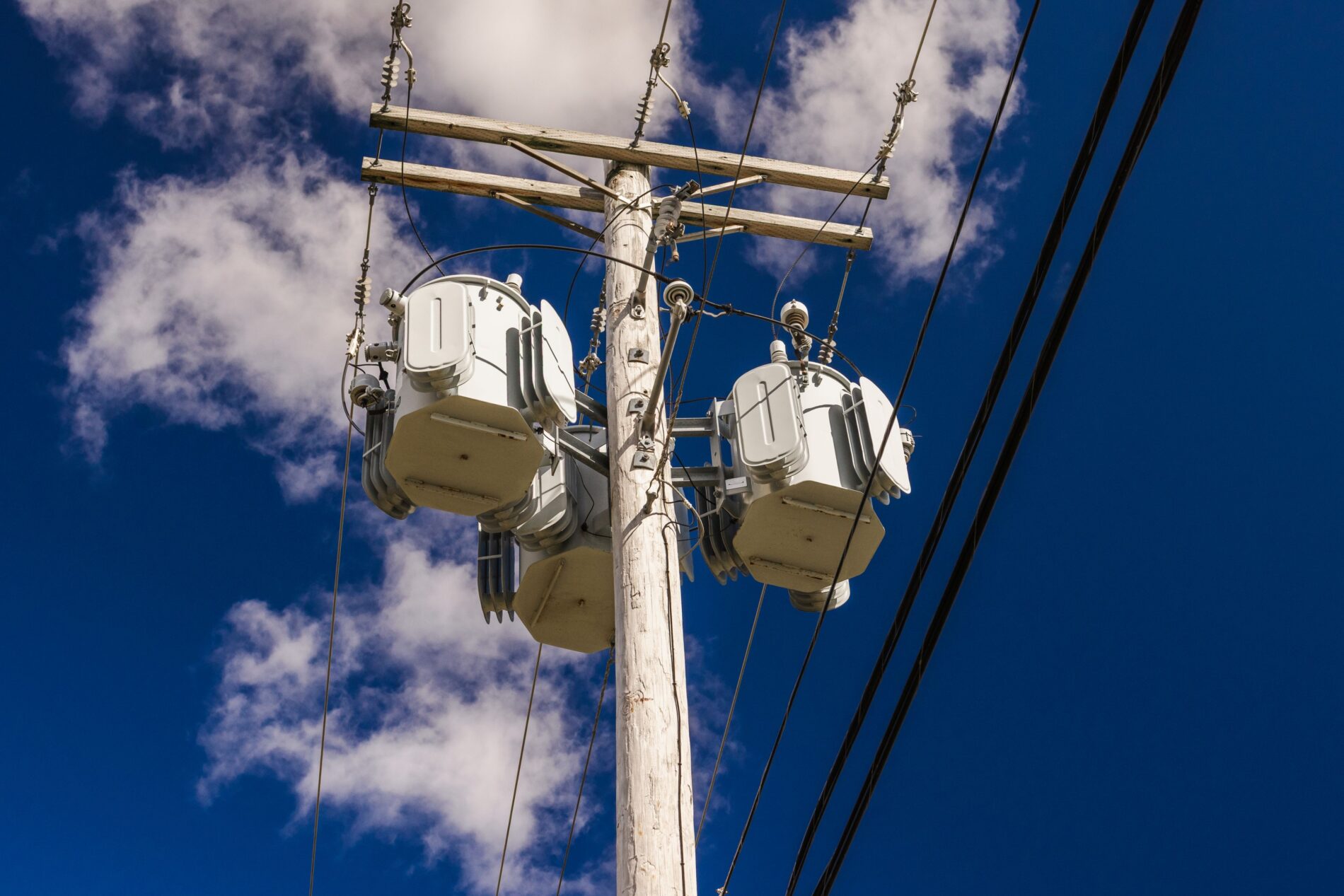
Wind and solar power systems provide low-cost kilowatt-hours—provided that weather conditions and the time of day are favorable. However, they do not guarantee power output during every single hour. Consequently, grid operators must maintain additional reserves, storage facilities, and flexible power plants.
A Supply Gap Arises from Demand and Insufficient Reserves
The political trajectory of this issue traces back to the energy crises of the 1970s. Following the oil price shocks, the United States placed a greater emphasis on domestic energy sources such as solar, wind, and biomass. At that time, however, the primary focus was on achieving independence from energy imports.
Later, the expansion of renewable energies acquired a rationale rooted in climate policy. As a result, subsidy programs, tax incentives, and quotas accelerated the installation of wind and solar power systems. Nuclear power, by contrast, often remained at a political disadvantage—despite its ability to provide consistently predictable electricity.
Subsidies Shift Costs onto the Overall System
The actual generation costs for wind and solar power can be low. However, for a stable electricity system, this metric alone is insufficient. Transmission lines, balancing power, storage facilities, and reserve power plants significantly increase the overall system costs.
The supply gap, therefore, does not stem solely from a lack of generating facilities; it also arises from a lack of available power at the precise moment it is needed. Consequently, consumers are increasingly bearing these structural costs through grid access charges, levies, and higher electricity prices.
Germany and California Reveal the Consequences
California and Germany are regarded as early examples of the massive expansion of weather-dependent power generation. Both regions generate large quantities of electricity from wind and solar sources, while end-consumer prices remain high. At the same time, gas-fired power plants remain crucial whenever weather conditions and electricity demand diverge.
Consequently, the supply gap cannot be closed solely by increasing installed capacity. What is decisive is the availability of firm power during critical hours. Battery storage systems can buffer short-term fluctuations, but they cannot replace a robust reserve capacity to cover prolonged periods of low wind or sunshine.
Energy Policy Needs Firm Power, Not Slogans
Battery storage systems are gaining importance in the United States. However, they primarily serve to stabilize the grid over a timeframe of hours. To address longer-duration bottlenecks, the system continues to require dispatchable power plants, resilient transmission lines, and realistic cost assessments.
For this reason, nuclear power and geothermal energy are also coming back into sharper focus. Both sources generate electricity independently of weather conditions or the time of day. The central conclusion is this: A secure energy transition requires not merely more power generation facilities, but—above all—more firm power capacity.