
In the AgNes proceedings, the Federal Network Agency is maintaining the preferential status for battery storage systems. It is thereby foregoing an early termination of the exemption from grid charges, even though the boom in storage systems places increased strain on the grids. Operators, investors, and grid operators gain planning certainty, while the future distribution of costs within the electricity system remains an open question. (handelsblatt: 27.05.26)
Exemption for Battery Storage Systems Extended Until 2029
Battery storage systems commissioned by August 4, 2029, will retain their exemption from grid charges. However, this rule applies only if the statutory requirements are met. Operators may then utilize this model for a period of 20 years.
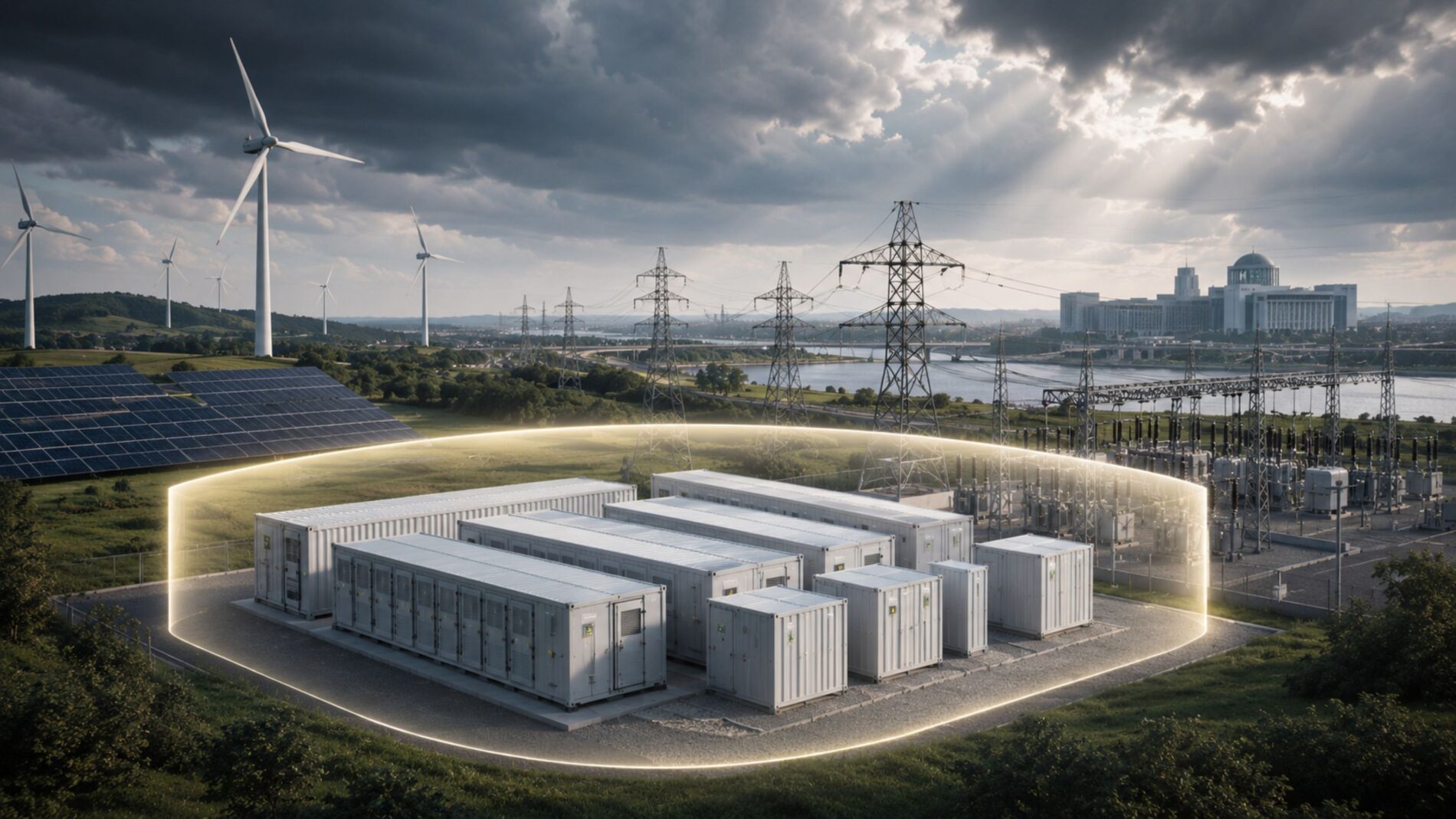
The Federal Network Agency had previously examined whether energy storage systems should be required to pay capacity charges in the future. However, such a move would have adversely affected many ongoing projects. Consequently, Agency President Klaus Müller prioritized the protection of legitimate expectations over the short-term steering effects of introducing new levies.
Investors Gain Certainty; Grid Remains Under Strain
For project developers, this decision carries significant weight. Many financing arrangements are predicated on the existing exemption from grid charges. Furthermore, additional costs would have eroded returns and potentially delayed individual projects.
However, this preferential treatment does not resolve all grid-related issues. While storage systems can absorb electricity generated by solar and wind facilities and release it later, they simultaneously create new load peaks when numerous systems charge or discharge in unison.
Grid Charge Reform Continues
Consequently, the AgNes reform initiative regarding grid charges is proceeding as planned. The Federal Network Agency intends to present a draft regulatory determination this summer. This will be followed by a formal consultation process involving market participants, grid operators, and industry associations.
At the heart of this process lies the question of who should bear the rising costs associated with the electricity grid. Households are expected to continue paying both fixed basic charges and variable consumption-based charges. However, “prosumers”—consumers who also generate their own electricity—are expected to contribute more substantially to the financing of the grid infrastructure.
Small Solar Systems to Be Spared
Plug-in solar devices and very small systems are to remain exempt from additional fixed charges. This distinction is intended to minimize bureaucracy. Furthermore, imposing a new fixed charge would disproportionately impact small-scale balcony solar systems.
Larger self-suppliers, conversely, are coming under closer scrutiny. While they continue to utilize the grid as a backup, they often pay lower consumption-based fees. Consequently, the regulatory authority is seeking to establish rules that better balance self-consumption with the financing of the grid infrastructure.
Storage Sector Gains Time, but No Permanent Guarantee
This exemption buys the energy storage sector some time. It provides protection against abrupt regulatory interventions that could disrupt existing business models. However, the question of grid-supportive operation remains a central issue.
Future regulations, set to take effect in 2029, could introduce new incentives. Under these rules, storage systems are expected to play a more active role in preventing bottlenecks and smoothing out price spikes. For electricity consumers, industrial users, and system operators alike, this reform therefore remains a critical cost factor.