
Federal Health Minister Nina Warken’s (CDU) plans for a reform of statutory health insurance have met with mixed reactions. Criticism came from the opposition, but also from her coalition partner, the SPD. The planned increase in the so-called contribution assessment ceiling sparked particular debate on Friday.
Statutory health insurance (GKV) is deeply in the red: a deficit of €15 billion is expected next year, rising to €40 billion by 2030. Soaring insurance contributions are looming, which the federal government hopes to prevent with a reform. An expert commission recently presented 66 reform proposals. Warken intends to implement “over three-quarters” of them.
Her ministry published an initial draft bill on Thursday. The proposed measures are intended to save almost €20 billion by 2027. Specifically, the minister plans, among other things, to restrict free co-insurance for spouses and increase co-payments for medications. Furthermore, overall increases in prices and doctors’ fees are to be linked to the revenue growth of health insurance funds.
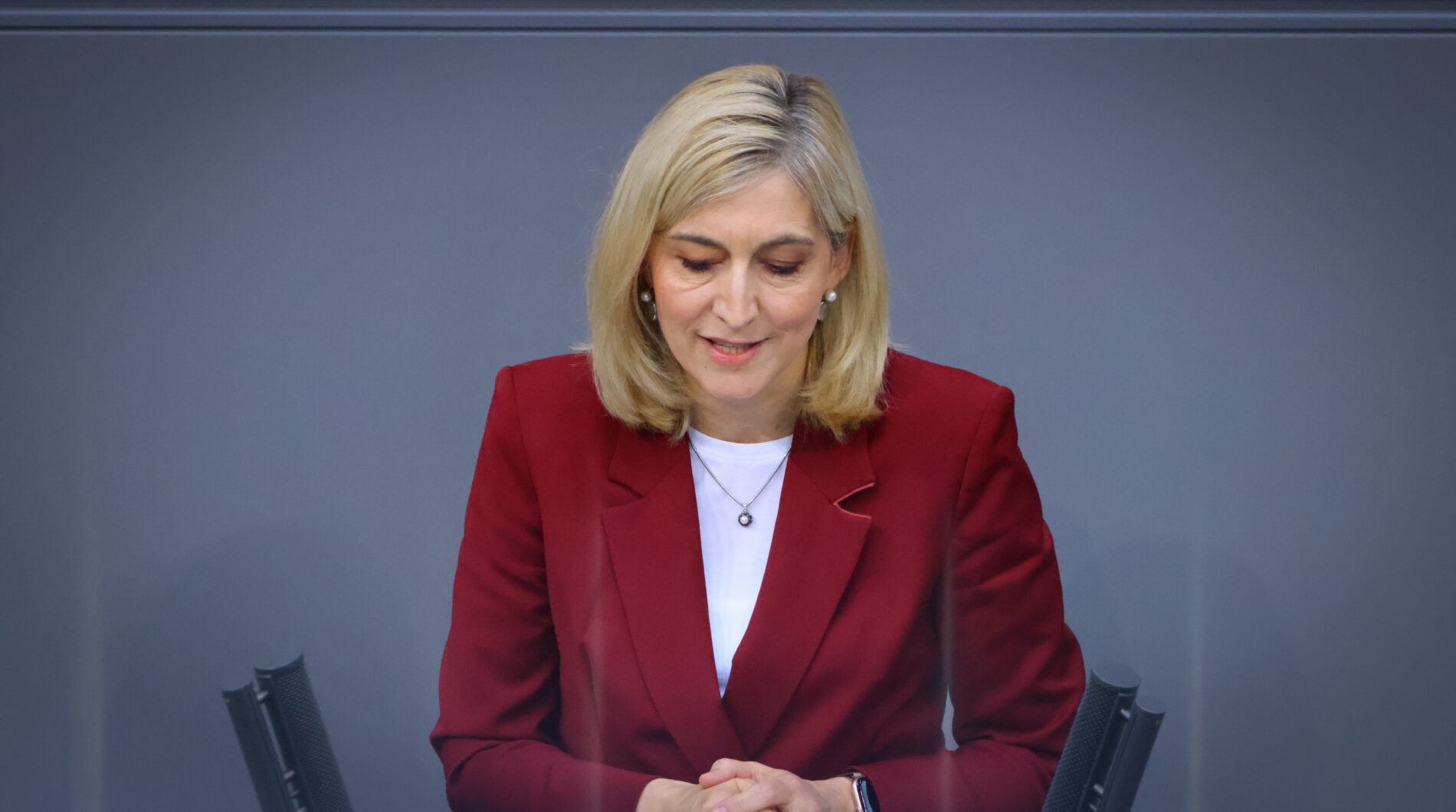
The plans have drawn criticism from the opposition. Green Party health policy expert Armin Grau complained that the pharmaceutical industry would be largely spared. Instead, citizens would have to bear a disproportionate share of the burden. “That’s very unfair,” he said. The law should not be allowed to pass the Bundestag in its current form.
Left Party MP Ates Gürpinar criticized the “benefit cuts and increased financial burdens” for those insured. “Raising the contribution assessment ceiling by €300 almost seems like a mockery,” he emphasized. The government should instead “consistently include” higher earners.
According to Warken’s plans, the contribution assessment ceiling is to be increased by a one-time sum of €300 in 2027, in addition to the regular increase. High-earning employees would thus have to pay health insurance contributions on a larger portion of their wages. Employers’ social security contributions would also increase as a result.
The SPD also views the proposal with skepticism. Raising the contribution assessment ceiling is a further step towards fairness in contributions, but it also places a burden on skilled workers and the labor factor, SPD health policy spokesperson Christos Pantazis told the “Tagesspiegel”. “If the expert commission’s proposals had been fully implemented, this instrument could have been dispensed with.”
“Now the minister wants to place an additional, unnecessary burden on employers and employees, even though they have stabilized the system with supplementary contributions in the tens of billions of euros over the past few years,” criticized Pantazis.
Rejection is also coming from the business sector. “Raising the contribution assessment ceiling does not strengthen Germany as a business location,” declared Steffen Kampeter, Managing Director of the Confederation of German Employers’ Associations (BDA). “On the contrary: it increases labor costs for employers, shrinks the net income of a well-paid skilled worker, and reduces the pressure for healthcare reforms.” Kampeter called for “improvements” to the legislative process.
The statutory health insurance funds welcomed Warken’s plans overall. The umbrella organization of company health insurance funds (BKK) called the draft law a “solid start to the rescue mission for the statutory health insurance system.” However, both the BKK Association and the AOK Federal Association called for improvements—including the federal government assuming health insurance contributions for recipients of basic income support.
Chancellor Friedrich Merz (CDU) signaled his “full support” for the proposals of his health ministers. Merz is “very satisfied” with the reform overall, Deputy Government Spokesman Steffen Meyer said on Friday in Berlin.
Meyer declined to comment on individual reform proposals. These are now being discussed internally within the government. There is “a clear and quite tight timetable,” the spokesman emphasized. “We really want to pick up the pace now.” The Federal Cabinet is scheduled to decide on the draft on April 29, and the Bundestag is expected to vote on it before the summer recess.
AFP translated by Blackout News