
According to experts, the global automotive industry is facing a “potentially existential crisis,” as losses in the electric vehicle segment are projected to reach approximately €60 billion in 2024. Corporations such as Volkswagen, Ford, and General Motors have had to make substantial write-downs. The cause is the significantly weaker demand for electric vehicles. Many customers are rejecting the technology or postponing purchases. Manufacturers had anticipated considerably higher sales figures. Simultaneously, billions were invested in expanding production. The imbalance between supply and demand has become the central risk. The consequences include production cutbacks, halted projects, and growing uncertainty for employees and suppliers. (fr: 12.04.26)
Customer acceptance falls far short of expectations
Many manufacturers planned for a rapid transition to electric vehicles, but this assumption has proven false, as customers remain hesitant. High prices are a deterrent. Limited ranges reinforce skepticism, and charging times are still considered inconvenient. Uncertainty about battery lifespan persists.
The elimination of government subsidies is exacerbating the situation. Purchase incentives had artificially boosted demand. After their end, orders plummeted. Many buyers are consciously choosing against electric cars. Internal combustion engines are still considered reliable and economical. This development demonstrates a clear market preference. Manufacturers have ignored this reality for too long.
Political directives are crowding out market logic
The industry’s strategic direction followed political targets. CO₂ regulations and bans on internal combustion engines set clear parameters. Companies therefore invested heavily in electromobility. Economic risks receded into the background. Customers’ willingness to pay was overestimated.
Several corporations are now reacting with course corrections. Ford is reducing investments in the electric vehicle sector. General Motors is adjusting production targets. Volkswagen is also intensifying its cost-cutting programs. Nevertheless, the financial burdens remain high. Past missteps continue to have repercussions.
Cost explosion further exacerbates the crisis
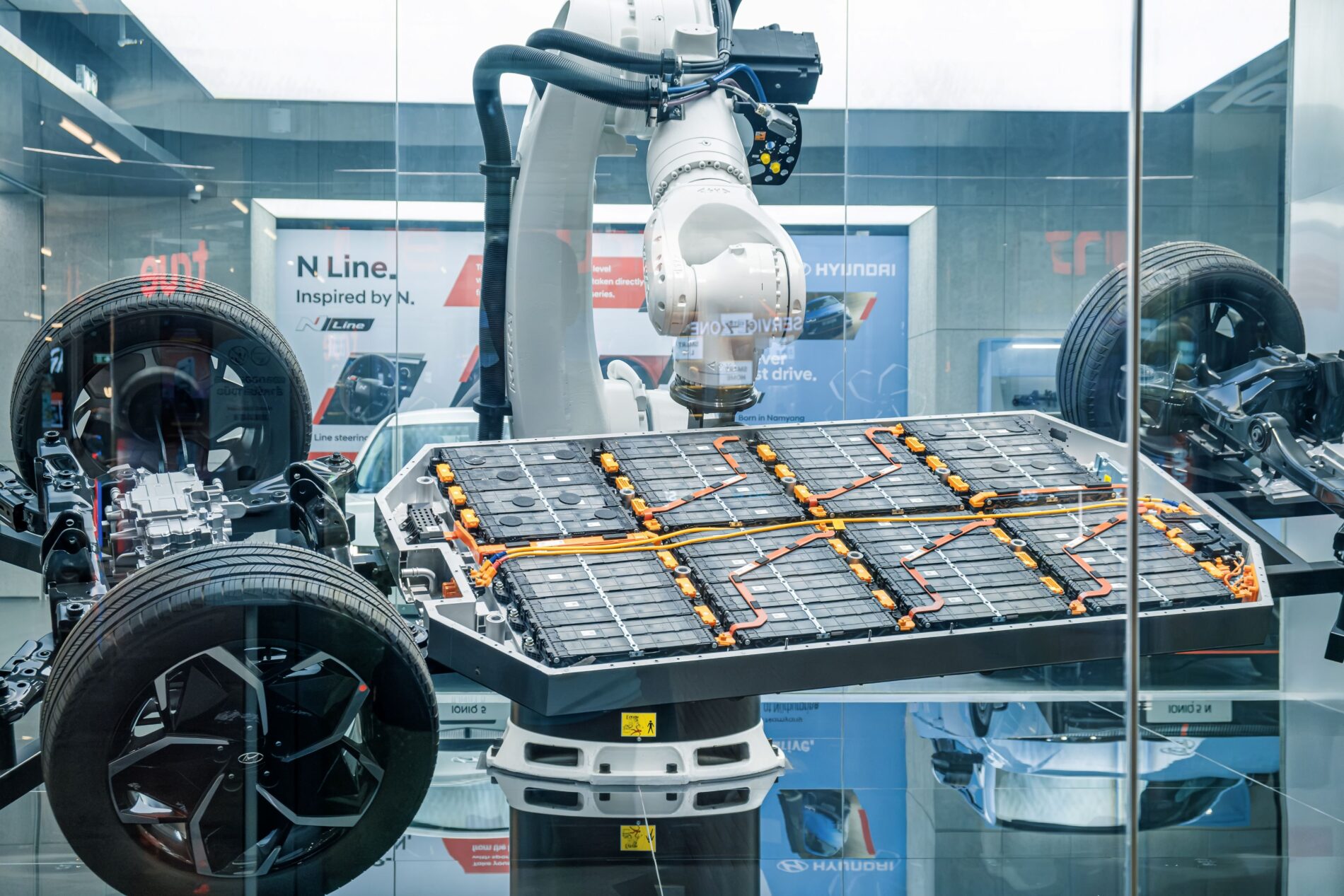
The production of electric vehicles is incurring high costs, with batteries remaining the biggest cost driver. Raw material prices fluctuate wildly. Development expenditures continue to rise. Economies of scale are materializing more slowly than anticipated.
At the same time, weak demand is forcing price reductions. Margins are under pressure. Factories are operating below capacity. Overcapacity is emerging. Manufacturers are cutting production. Investments are being postponed or canceled. The industry is facing a fundamental restructuring. Without market acceptance, the transformation remains economically risky.