
In 2026, the Austrian Court of Audit uncovered serious deficiencies in the procurement and modernization of Black Hawk helicopters for the Austrian Armed Forces. The audit examined a project spanning 2019 to 2024, encompassing nine modernized helicopters and three additional used aircraft. The criticism stemmed from errors in the tendering process, weak project management, and numerous contract amendments. The report identifies the inadequate management of a complex and high-risk major project as the decisive risk factor. The consequences range from millions of euros in additional costs and years of delays to a significantly reduced operational readiness of the fleet and substantial additional workloads at the Langenlebarn airbase. (rechnungshof: 10.04.26)
Black Hawk Project Loses Control of Costs and Schedule Early on
The project became significantly more expensive than initially planned. Originally budgeted at €77.70 million, the final total price for modernization and acquisitions rose to €125.85 million. Thus, the project exceeded its initial expectations early on, despite fixed prices having been agreed upon.
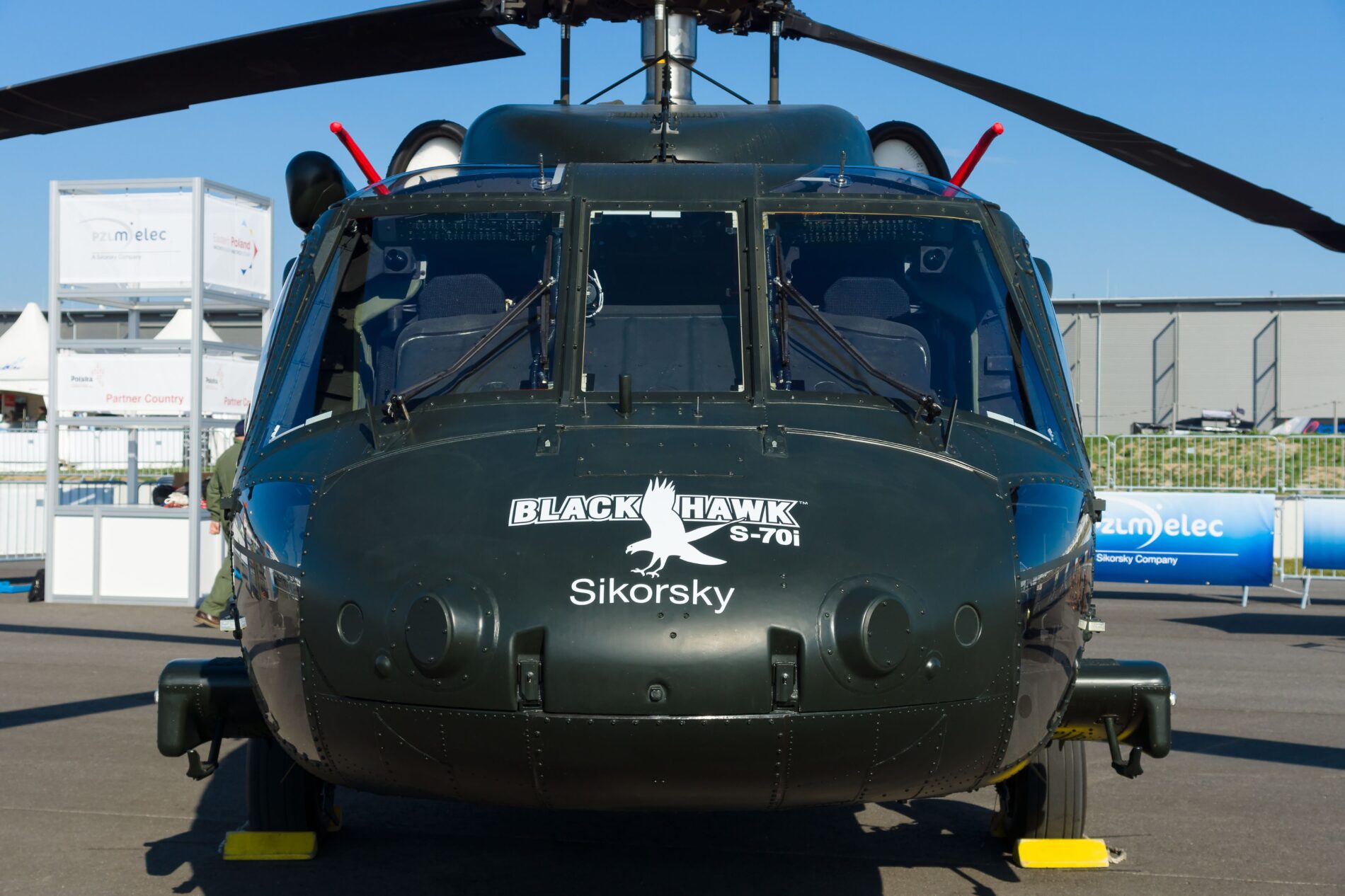
At the same time, the initial tender process had to be cancelled. The Court of Auditors speaks of a “gross, avoidable procedural error.” This was followed by nine contract amendments, while the modernization was delayed by approximately five years. Furthermore, the delivery of the three additional helicopters was postponed from December 2022 to August 2026.
Operational problems and infrastructure costs exacerbated the Black Hawk fiasco
In addition to the costs, the poor availability of the helicopters was a major factor in the overall financial failure. Operational readiness was only between 22 and 33 percent. However, the target was 66 percent, meaning the Army fell far short of its own goal. This resulted in a lack of capacity for transport missions, support operations, and military readiness.
Costs also rose sharply at Langenlebarn Air Base. Expenditure for structural modifications increased from €9.70 million to €37.16 million. However, the reasons for this were not only higher construction prices, but also planning deficiencies, additional space requirements, and expanded technical specifications. While the Black Hawk fleet was to be expanded, this also increased the financial pressure on the department.
The Austrian Court of Audit demands clear responsibilities and strict control
The report therefore criticizes not only individual misjudgments, but the entire project management. The Ministry did not treat the project as a regular major project with binding controls, even though it was novel, complex, and risky. This point was particularly serious because it caused costs, deadlines, and availability to spiral out of control.
The consequences extend beyond the helicopter project. Resources were tied up while other defense tasks had to be postponed. At the same time, the operational flexibility of the Austrian Armed Forces decreased because too few aircraft were available for deployment. Therefore, the conclusion is clear: Austria received a delayed, more expensive, and only partially available system, while the Court of Audit demands robust contracts, clear accountability, and comprehensive monitoring for future procurements.