
The DIHK and the Council of Economic Experts have significantly lowered their forecasts for Germany’s economic growth, as previous expectations had assessed the situation too optimistically. For 2026, the DIHK now anticipates growth of only 0.3 percent, down from its previous projection of 1.0 percent. In their spring report, the Council of Economic Experts forecast 0.5 percent growth, rather than the 0.9 percent previously expected. They cite high energy costs, rising raw material prices, and the war in the Middle East as the primary triggers. However, the underlying causes run deeper. High operating costs, excessive bureaucracy, weak investment, a shortage of skilled labor, and low productivity have been holding the country back for years. Consequently, businesses face the threat of further cutbacks, fewer new projects, and additional job losses.
The Next Revision Follows a Familiar Pattern
The new figures do not appear to be an isolated case. First, institutes and associations forecast a recovery; subsequently, reality turns out to be weaker. Consequently, expectations must once again be revised downward.
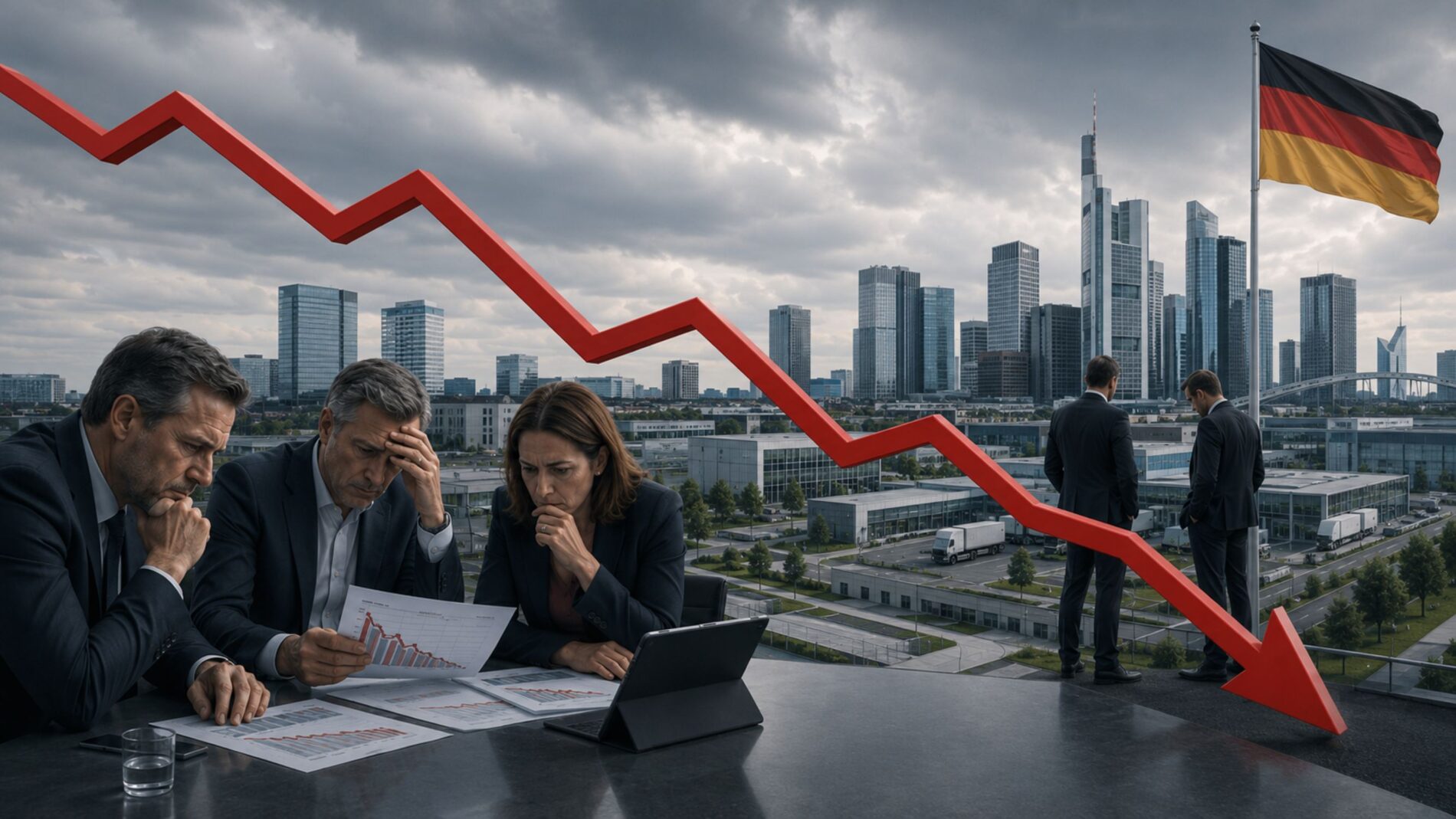
What stands out most is the recurring pattern. Both the DIHK and the Council of Economic Experts have once again been forced to adjust their outlook. This downward revision thus reveals not merely new headwinds, but a persistent overestimation of the economy’s underlying strength.
Current Triggers Compound Long-Standing Structural Issues
The conflict in the Middle East is exacerbating the situation. Energy and raw material costs are rising, while many businesses have virtually exhausted their financial reserves. Consequently, external shocks are having a particularly severe impact in Germany.
However, the root causes do not lie solely abroad. Companies are grappling with high labor costs, lengthy bureaucratic procedures, and an uncertain regulatory environment. Furthermore, there is a lack of investment—the very kind that could boost productivity and competitiveness.
Businesses Respond with Cutbacks
The DIHK describes an economy that is struggling to gain momentum. Approximately 70 percent of companies cite energy and raw material prices as their primary burden. As a result, the willingness to initiate new investments is on the decline.
Only 22 percent of businesses now intend to increase their investment budgets; conversely, more than a third are planning cutbacks. While policymakers announce reforms, many companies are prioritizing the safeguarding of their liquidity.
Job Cuts Loom
Weak economic forecasts are now impacting the labor market. Just under a quarter of companies are planning workforce reductions. For many employees, this turns the economic downturn into a concrete reality.
This development stands in stark contrast to earlier hopes for a rapid economic rebound. Businesses are bracing for weak demand and high operating costs. Consequently, pressure is mounting on jobs, wages, and business locations.
Germany’s Problem Is Structural
In their spring report, the Council of Economic Experts points to sluggish growth. In a worst-case scenario, the economy could expand by a mere 0.2 percent in 2026. Yet, even excluding this scenario, the underlying economic momentum remains weak.
Germany is losing ground while other economic hubs are investing at a faster pace. High social security contributions and expensive energy are eroding the cost base. Furthermore, excessive bureaucracy is stalling numerous projects before they can generate any economic impact.
Further Downgrades Remain Possible
A second downward revision later in the year would therefore come as no surprise. As long as the root causes remain unaddressed, economic forecasts will merely continue to react to fresh signs of weakness. The fundamental question remains: why has this weakness been underestimated for so long?
While the Federal Government intends to introduce relief measures and structural reforms, businesses require predictable costs, expedited approval processes, and improved conditions for investment. If these requirements are not met, the economic recovery will remain fragile—and the next set of forecasts will likely prove even more disappointing.