
In Brussels, the EU Commission’s fleet of electric official vehicles is causing frustration because the available EVs cannot complete the approximately 440-kilometer journey from Brussels to the EU Parliament in Strasbourg without stopping to recharge. These vehicles are part of the authority’s green fleet transition, launched in 2022; however, the regular official trips between the two EU locations are straining vehicle range, scheduling, and confidential work processes. The mandatory charging stop in Luxembourg, in particular, prolongs the journey, while some EU Commissioners are reluctant to use the train—or do so only with restrictions—due to the need to conduct sensitive phone calls. (politico: 27.05.26)
EU Commissioners Encounter Range Issues on Official Trip
The European Commission aims to make its own vehicle fleet entirely emissions-free by 2027. Consequently, many senior officials and Commissioners already use electric official vehicles. However, this incident demonstrates that, in the reality of day-to-day administrative operations, political climate goals can founder on issues of driving range, charging time, and route profile.
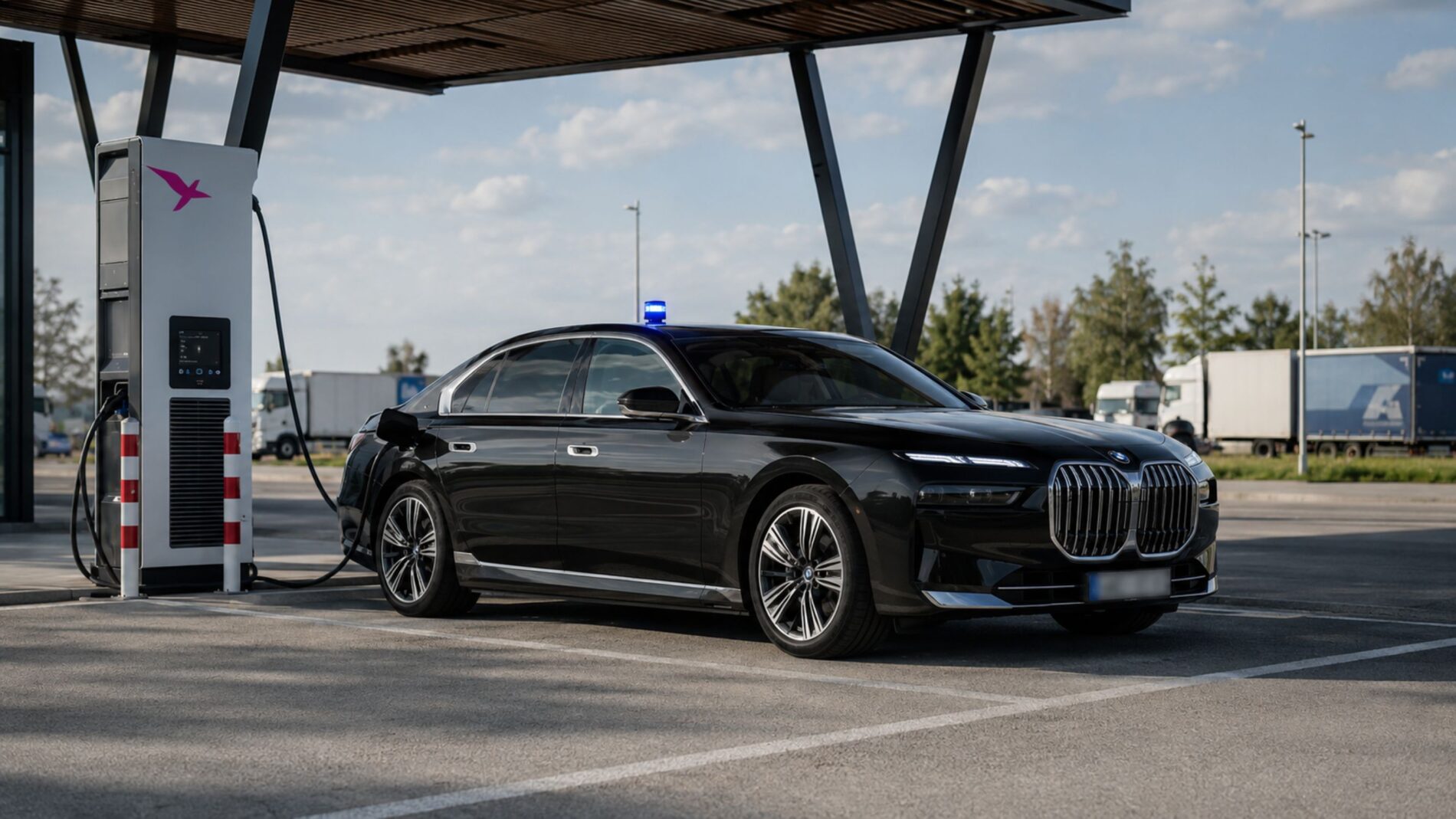
According to figures from Brussels, the fleet comprises 128 vehicles. Around 80 percent of these are already electric. Furthermore, these official cars are intended to demonstrate that the Commission is implementing its own transport policy within its own operations.
Charging Stop in Luxembourg Extends the Journey
The car journey from Brussels to Strasbourg normally takes about five hours. However, the available electric vehicles cannot reliably cover this distance without an intermediate stop. Consequently, drivers frequently stop in Luxembourg to recharge.
This stop usually lasts between 20 and 30 minutes. For EU Commissioners with tight schedules, this results in noticeable delays. Moreover, driving at a particularly slow pace—an attempt by drivers to conserve energy—can further prolong the journey.
Chauffeured Electric Cars Become a Political Issue
The criticism is directed specifically at the chauffeured official car service used by the EU leadership. Several Commissioners utilize chauffeured electric vehicles at a time when the EU is pushing for stricter climate regulations within the transport sector. This situation lends the matter significant political sensitivity.
Among the staff of individual Commissioners, frustration is mounting regarding the additional travel time incurred on this route. Speaking on the practice of driving more slowly, an aide to one Commissioner remarked: “But that doesn’t really work.” At the same time, the issue is not one of a complete breakdown in mobility, but rather of delays within official operations.
Train Travel Unsuitable for Confidential Conversations
The train would be an obvious alternative for the route between Brussels and Strasbourg. However, many Commissioners conduct confidential phone calls while traveling. Consequently, from the perspective of some Commissioners’ cabinets, the train is not considered an equivalent substitute for an official car.
On the road, the conflict regarding driving range persists. Those driving electric vehicles must coordinate charging points, travel times, and appointments with greater precision. Furthermore, the regular commute between Brussels and Strasbourg exacerbates the organizational burden.
Von der Leyen Travels Differently Due to Security Protocols
European Commission President Ursula von der Leyen does not appear to face this problem in quite the same way. For security reasons, her official vehicle must be armored. However, a suitable armored electric vehicle is currently not available.
Consequently, von der Leyen continues to use a vehicle equipped with an internal combustion engine. This exception provides additional ammunition for critics of EU climate policy. At the same time, the Commission points to security protocols, which—in the case of the President—take precedence over fleet standards.
Case Highlights Weakness in EU Transport Policy
This situation does not fundamentally discredit electric mobility. However, it does expose a practical challenge regarding long-distance official travel. In day-to-day operations, travel times are ultimately determined by driving range, charging capacity, and available infrastructure.
For the European Commission, this creates an uncomfortable contradiction: while it seeks to accelerate the transition to emission-free mobility, it faces limitations itself on a key political commuting route. It is precisely this point that makes the dispute over the official cars of EU Commissioners so relevant to European transport policy.