
In Berlin, the dispute over new gas-fired power plants is intensifying ahead of the summer consultations on the Power Plant Security Act, as—according to an analysis by Uniper—prolonged periods of low wind and solar output occur significantly more frequently than is often portrayed. Between 2016 and 2025, the company counts 1,435 phases lasting more than ten hours during which wind and solar power generation was low. However, battery storage systems are only effective if they are sufficiently charged before such conditions set in. To achieve this, the power grid requires surplus electricity from wind and solar sources beforehand. Yet, precisely this surplus power is available only intermittently. Consequently, the debate touches upon security of supply, electricity prices, industrial production, and the phase-out of coal. (boersen-zeitung: 28.05.26)
Federal Network Agency Identifies Significant Need for Firm Capacity to Ensure Security of Supply
The Federal Network Agency anticipates a need for 21 gigawatts of new dispatchable power plant capacity by 2030. These facilities are intended to step in when weather-dependent generation is unavailable. Furthermore, the planned phase-out of coal power is to remain on track. Without replacement capacity, dependence on electricity imports will increase.
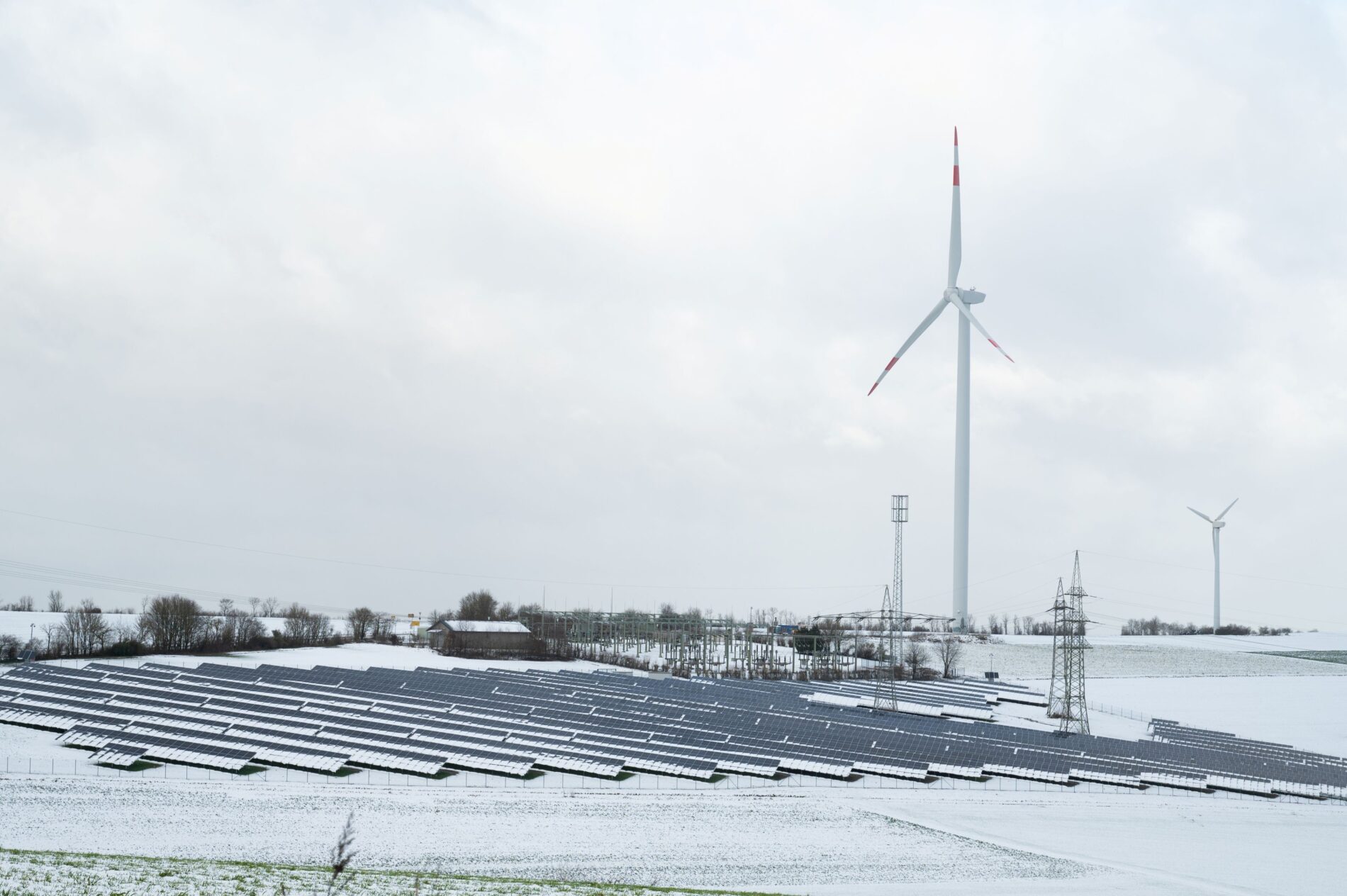
Minister of Economic Affairs Katherina Reiche initially plans for approximately ten gigawatts of new gas-fired power plants. The EU Commission has not approved a larger volume than this so far. Nevertheless, critics consider this scale to be excessive. They point to battery storage systems, arguing that these can quickly bridge short-term power gaps to ensure security of supply.
“Dark Lulls” Highlight the Storage Challenge
The critical issue arises before an actual power shortage occurs. A storage system does not generate electricity; it can only discharge energy that has previously been stored within it. Therefore, prior to any prolonged lull in generation, the storage system must be as full as possible.
However, recharging is only possible when surplus electricity is available. Such surpluses typically occur during periods of strong winds, high solar output, and low demand. Crucially, these windows of opportunity do not occur predictably—or immediately—before every phase of low wind speeds. Furthermore, storage systems, consumers, power grids, and export markets all compete for the very same energy.
Brief Power Spikes Are Insufficient for Recharging
Uniper has criticized calculations that place too much weight on brief spikes in wind or solar power output. If output briefly rises above a certain threshold, some modeling systems—from a purely mathematical standpoint—register the end of a generation “lull.” Yet, generation levels may immediately drop back down again thereafter. Christian Brose of Uniper comments: “From a systemic perspective, this approach is inadequate.”
Consequently, Uniper’s meteorologists employ a six-hour rolling average. This method ensures that short-lived power spikes carry less weight in the overall assessment. Based on this methodology, between 2016 and 2025, there was—on average—one such event lasting more than ten hours every three days. The average duration of these events was 12.9 hours.
Prolonged Lulls Overwhelm Conventional Battery Storage Systems
Many battery storage systems supply electricity for only two to four hours. After that, they require recharging. However, during a prolonged lull, this energy is precisely what is missing. Consequently, an empty storage unit cannot replace power plant capacity.
This reality became particularly evident in 2024. While Claudia Kemfert of the DIW cited two specific instances, Uniper recorded 160 such events. The longest of these phases lasted 127 hours. In 2023, a shortage of wind and solar power persisted for an even longer period—161 hours. Furthermore, according to Uniper, 24-hour lulls occur almost every month.
Coal Phase-out Increases Pressure on Power Plant Strategy
For the power plant strategy, this implies a clear division of roles: Batteries stabilize the grid and smooth out short-term fluctuations, while gas-fired power plants provide backup during prolonged weather-related outages. Therefore, storage systems cannot serve as a substitute for weather-independent power generation.
The planned phase-out of coal further exacerbates this situation. Over the next four years, lignite-fired power plants with a combined capacity of 8.5 gigawatts are scheduled to be taken offline. The system must replace this capacity in a timely manner. Failure to do so will result in increased reliance on imports, a greater need for reserve capacity, and higher costs associated with interventions in the electricity market. (KOB)