
A new representative survey in Berlin reveals how far removed energy policy has become from the public mood. 53 percent of respondents believe the shutdown of Germany’s last nuclear power plants was a mistake, while only 40 percent support it. The debate was triggered by high electricity prices, doubts about security of supply, and the sobering results since the final nuclear phase-out in April 2023. The political backdrop dates back to the Fukushima decision of 2011, but the situation has fundamentally changed due to the energy crisis, the war in Ukraine, and new import dependencies. A particularly serious issue is that a central promise of the energy transition remains unfulfilled: cheaper electricity from renewable energy sources has failed to materialize, while prices for consumers and businesses have continued to rise. The real shift in policy, therefore, is not coming from politicians, but from the public. For citizens and businesses, this means persistently high costs, growing uncertainty, and the impression that the government ignores even clear majorities whenever they don’t align with its own agenda. (welt: 21.04.26)
A shift in public opinion, a standstill in government
The figures are clear, yet politicians treat them as if they have no political consequences. Nearly one in three even describes the nuclear phase-out as “completely wrong.” Those who immediately declare any majority opinion on other contentious issues as the basis for action cannot simply disregard this majority here. But that is precisely what is happening. The shift in public opinion is not being addressed, but rather ignored. This does not appear to be democratic sensitivity, but rather political selectivity.
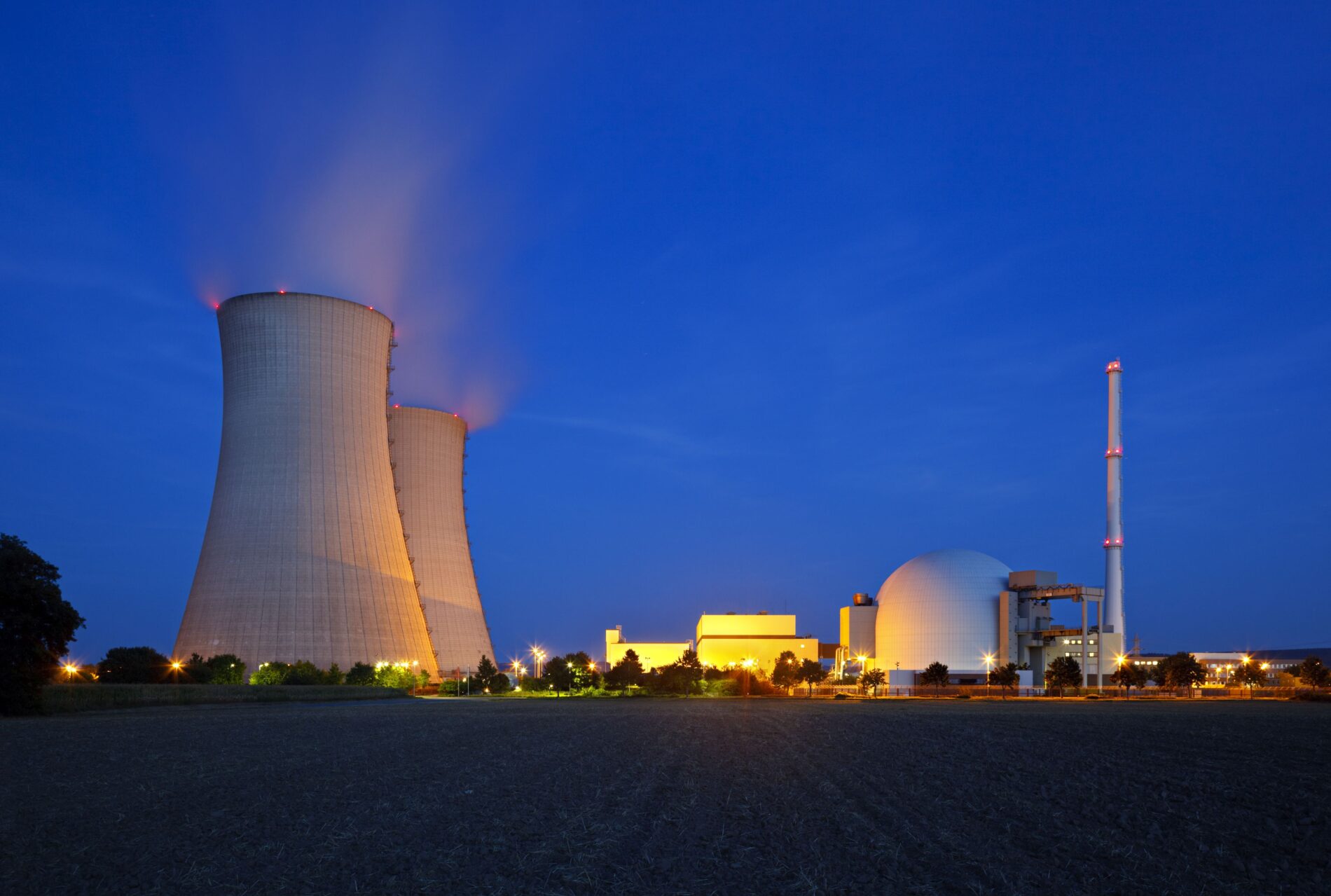
The gap between the original justification and today’s reality is particularly striking. The nuclear phase-out was decided in 2011 after Fukushima. At that time, the energy policy situation was different. Today, however, Germany is struggling with high electricity prices, weak competitiveness, and increasing pressure on supply. Despite this, policymakers are clinging to a decision made under entirely different circumstances. They constantly demand adaptation from citizens and businesses, yet show little willingness to revise their own course. This is precisely the crux of the problem.
Renewables desired, ideological narrowing still visible
The survey also shows that citizens do not want a return to old ways of thinking. 62 percent are counting on solar energy, 60 percent on wind power, and 50 percent on hydropower. Nuclear energy reaches 39 percent, putting it significantly ahead of natural gas at 21 percent and far ahead of coal and oil, each at 9 percent. This is not a vote against renewable energies. Rather, it is a vote against a policy that only allows one direction. Many citizens want a pragmatic energy mix, while the government continues to act as if any doubt about the nuclear phase-out is already a relapse into the past.
The issue of safety also only partially supports the rigid political line. 52 percent are only slightly worried about a serious nuclear accident in Europe, and another 18 percent are not at all. At the same time, only 14 percent believe that Germany would be well prepared for a major nuclear catastrophe. This is a poor assessment of government preparedness, but not evidence of widespread fear of nuclear power. The second shift in policy therefore lies in the assessment of the risks. Many citizens don’t trust the state much, but they also no longer trust the old political justifications. Those who stubbornly cling to the idea of opting out are no longer defending a future model, but primarily their own political past.