
Jaguar Land Rover (JLR) reported a 99 percent plunge in profits for the past fiscal year, thereby concluding a severe year of crisis. The British automaker earned a mere £14 million before taxes and special items—a stark contrast to the £2.5 billion recorded the previous year. This downturn was triggered by U.S. tariffs, a cyberattack that began in late August, a weeks-long production stoppage, and a collapse in sales for significant segments of the Jaguar brand. At the same time, pressure from Chinese manufacturers is mounting, while the company’s all-electric strategy and highly diversity-focused Jaguar advertising have alienated many long-standing customers. (welt: 28.05.26)
Jaguar Land Rover Loses Sales Base Due to Radical Restructuring
JLR traditionally sells a large volume of vehicles in the United States. The group generates just over a quarter of its sales there, as expensive SUVs are in high demand. However, new U.S. import tariffs dampened demand this spring.
Furthermore, a severe cyberattack struck the group in late August. Consequently, production in the British Midlands ground to a halt for weeks. This shutdown placed a heavy strain on suppliers, dealers, and employees throughout the supply chain.
EV Strategy Leaves a Gap in the Model Lineup
In addition, Jaguar was largely absent from the sales charts. The group had halted the majority of 2024 production as it transitions the brand exclusively to electric vehicles. As a result—in a crisis year, of all times—Jaguar Land Rover lost a crucial pillar of its sales business.
This strategy is risky. Jaguar is foregoing buyers who still prefer internal combustion or hybrid models. At the same time, the market for high-end electric vehicles is not growing fast enough to reliably offset this loss.
Advertising Fuels Doubts About the Repositioning
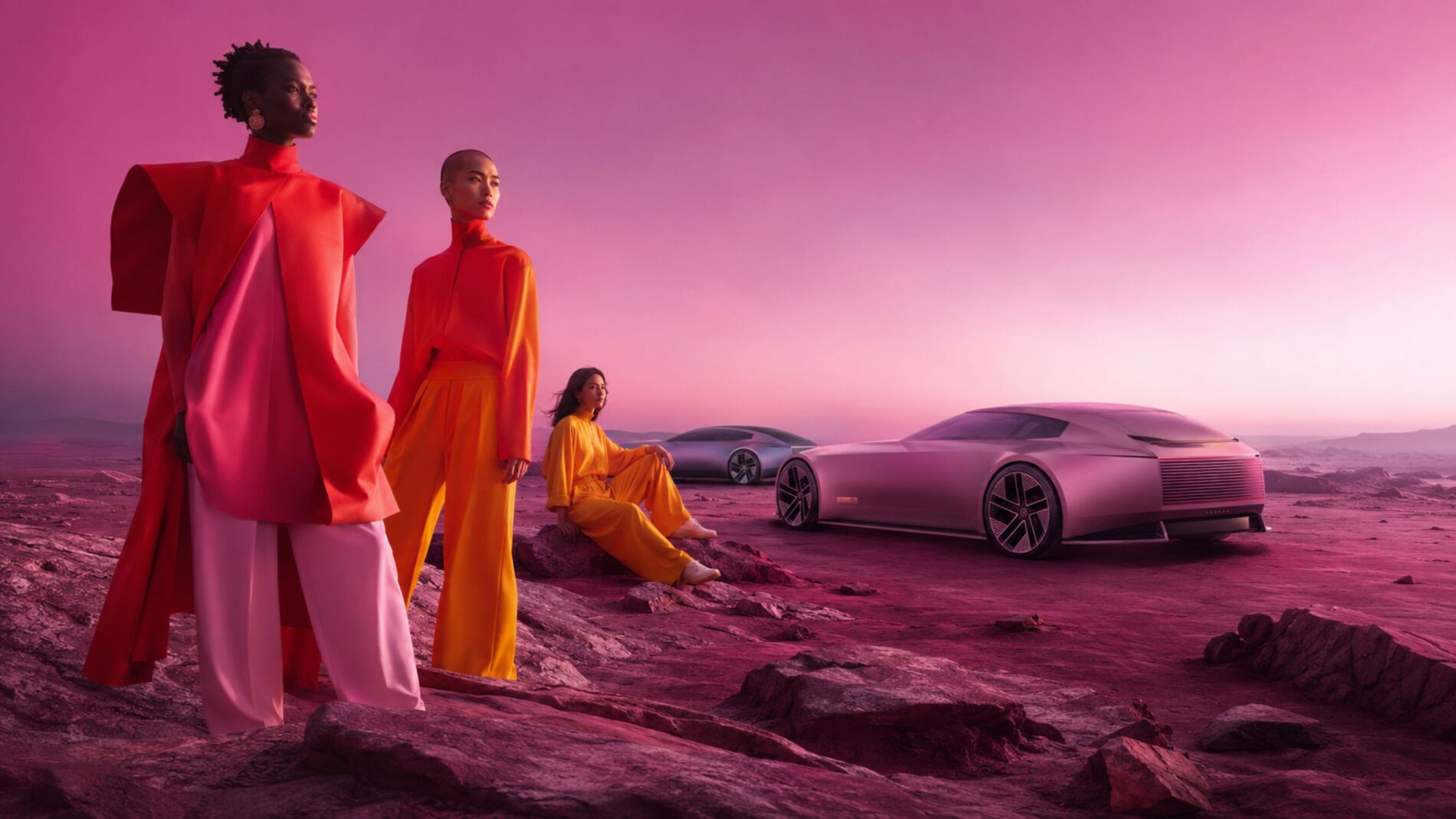
The new Jaguar advertising campaign further intensified the debate. It placed a heavy emphasis on fashion, diversity, and provocative imagery, yet initially failed to showcase a production-ready vehicle. Consequently, the messaging struck many buyers as disconnected from the actual product.
A brand transformation requires trust. Jaguar, however, opted for a radical break with its established identity. This created the impression that the group is losing long-standing customers faster than it is gaining new ones.
Chinese Manufacturers Exploit the Open Flank
Revenue fell by 21 percent to £22.9 billion. CFO P.B. Balaji stated: “JLR looks back on a challenging year.” However, production at the factories returned to normal in the fourth quarter, and key financial metrics began to recover.
Concurrently, Chinese manufacturers are making inroads into the British market. Unlike the EU, the UK does not shield its automotive market with high tariff barriers. As a result, the market share of new cars from Chinese manufacturers rose from 4.9 percent in 2024 to 9.7 percent in 2025.
Jaecoo 7 Highlights New Price Pressures
According to the SMMT, Chinese brands had already captured a 14.6 percent market share in the first four months of 2026. SMMT Chief Executive Mike Hawes stated: “The UK car market has always been a very open one.” He further emphasized: “Ultimately, the consumer is always right.”
In March, the Jaecoo 7 became the best-selling new car in the UK. Chery sold 10,064 units of this SUV model. The model has earned the nickname “Temu Range Rover” because it combines the aesthetic of an SUV with significantly lower pricing.
Cost Advantages Impact the Premium Segment
The Jaecoo 7 starts at £29,000 for the petrol version. A well-equipped plug-in hybrid model costs around £36,000. With this pricing strategy, Chery appeals to buyers seeking substantial SUV value at a significantly lower cost.
Consequently, Jaguar Land Rover faces a twofold challenge. Its own models require high profit margins and strong brand loyalty. At the same time, Chinese manufacturers offer extensive technology as standard equipment, whereas European manufacturers often charge a premium for many optional extras.
An Open Market Increases Pressure on JLR
BYD, MG, Omoda, and other Chinese manufacturers are also gaining ground. In the first four months of the year, they collectively accounted for 87,500 newly registered cars. In doing so, they overtook Japanese manufacturers—despite the fact that Nissan and Toyota have been manufacturing in the UK for years.
However, the British government has no intention of curbing this competition. Business Secretary Peter Kyle stated: “I do not want to stop British consumers from having access to the cars of their choice.” For JLR, this translates into heightened competition at a time when its own electrification strategy is already absorbing substantial investment.