
In Berlin, the decay of Germany’s infrastructure is now manifesting in drastic consequences: the Technical University was forced to abruptly close its main building due to acute safety deficiencies. Approximately 32,000 students and faculty members are affected, having had to vacate their offices and workspaces within just a few hours. The closure was triggered by the building being deemed unfit for use—a situation exacerbated by years of neglect that had allowed the backlog of necessary renovations to mount.
Decay Strikes the Heart of Berlin’s Academia
Practically overnight, the main building was deemed no longer safe for use due to acute safety deficiencies. Consequently, staff and students packed up documents, bags, and personal belongings. Some even left the premises with plants in their hands.
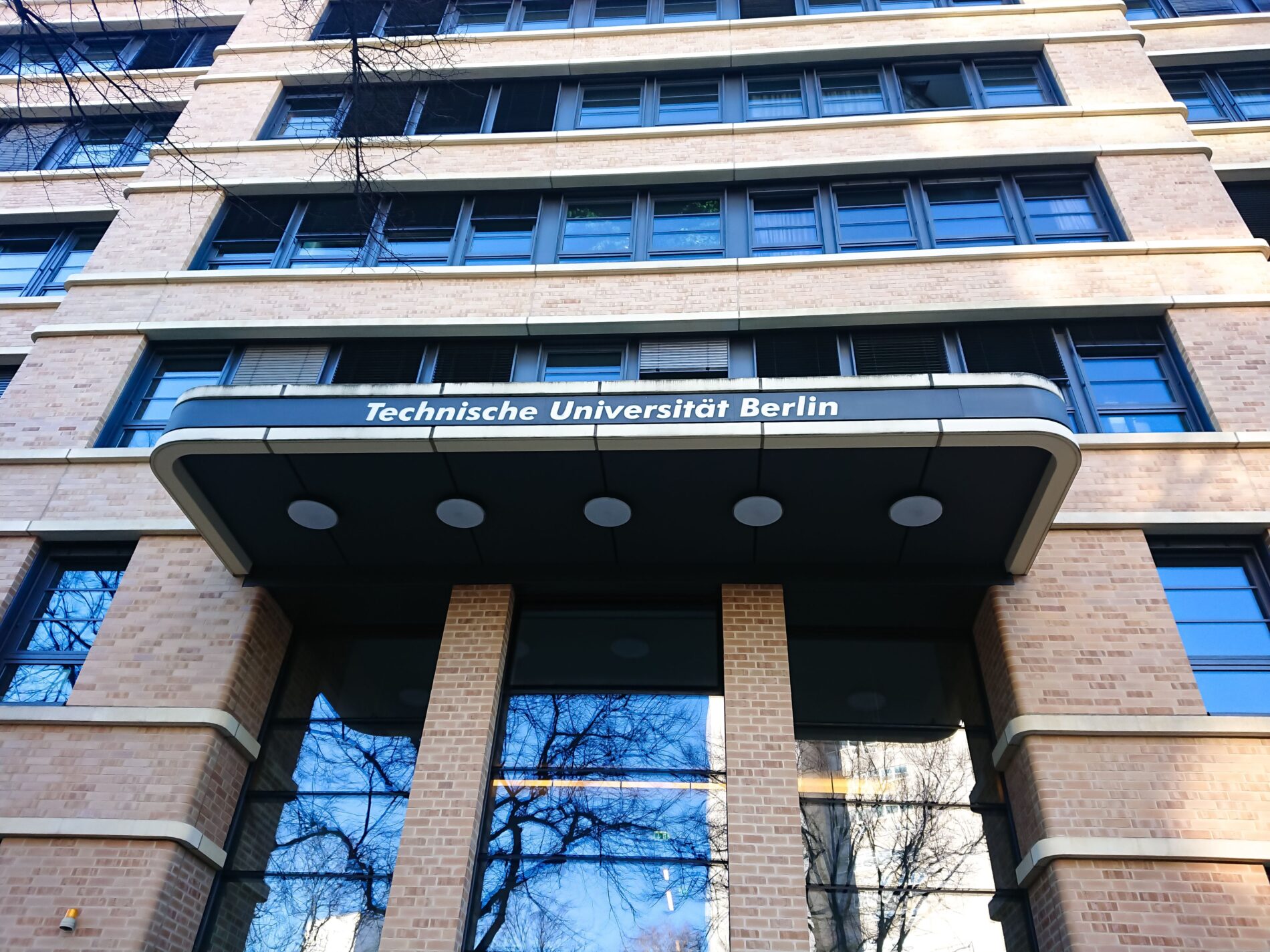
Former TU President Jörg Steinbach also warned of further risks. Without immediate renovation, the buildings housing the mathematics and chemistry departments would also have reached the end of their natural service life. However, the university was expected to fund its maintenance from its operating budget—a requirement that was virtually impossible to meet.
A Need for Billions Meets Political Neglect
The renovation of TU Berlin is now expected to cost around 2.4 billion euros. Saving the main building alone would require approximately 300 million euros. Yet the funds are lacking, even as operations at one of Germany’s largest universities are expected to continue uninterrupted.
However, this decay is not limited to the capital’s university. In Hamburg, the stacks of the university library also had to be evacuated in great haste. In Bavaria, moisture damage in university basements is reported to have reached bizarre proportions.
Bridges and Prestige Projects Devour Billions
Berlin’s bridges also illustrate the scale of the crisis. 175 structures are considered so dilapidated that only imminent demolition is deemed a viable option. Rebuilding them, however, would cost nearly two billion euros.
At the same time, major cultural construction projects are tying up enormous amounts of funding and time. The Pergamon Museum has been closed since 2023 and is not expected to be fully completed until 2037 at the earliest. A more realistic completion date appears to be 2043, with costs currently standing at around 1.5 billion euros.
Special Borrowing Increases Pressure on Priorities
The German Historical Museum has also remained partially closed since 2021. The State Library is scheduled for renovation between 2030 and 2041. Its costs are estimated at 1.1 billion euros, though many observers anticipate further cost overruns.
Against this backdrop, the debate surrounding 500 billion euros in special borrowing takes on particular urgency. Consequently, these funds should be channeled primarily into infrastructure. Schools, hospitals, fire stations, sports halls, bridges, and universities have all deferred necessary renovations for decades.
Without a Change of Course, Further Closures Loom
However, even 500 billion euros might not be enough to repair all the damage. Nevertheless, segments of the political establishment remain committed to the current course. Bärbel Bas serves as a prime example of an SPD stance that defends high social spending while structural decay continues to worsen.
At the DGB Congress, Bas met with widespread approval. Yet applause from trade union circles does nothing to repair lecture halls or bridges. Even former SPD voters expect schools free of mold and transport routes that do not suddenly fail.
The State Can No Longer Merely Manage the Decay of Infrastructure
Without spending cuts elsewhere, funding this priority is nearly impossible. Consequently, high social costs are coming under increasing scrutiny. For every euro that remains permanently tied up in the wrong places is a euro missing from vital structural foundations.
Germany can no longer simply manage this decay while simultaneously hoping for a miracle. If policymakers continue to postpone renovations, it will not merely be individual buildings that close down. Instead, research, education, transport, and public safety will all be simultaneously put at risk.