
In May 2026, the Chinese electric vehicle manufacturer Xpeng is exploring the acquisition of a VW plant or a facility belonging to another European manufacturer. The company aims to use this move to relocate its production closer to European customers. This initiative is driven by discussions regarding available factory capacity, limited options at the contract manufacturer Magna Steyr in Graz, and growing export pressure from Chinese suppliers. However, Europe’s increasing reliance on Chinese electric mobility remains a critical concern. For Volkswagen, the issue also involves underutilized plants, potential collaborations, and the future of industrial jobs. (ft: 14.05.26)
Xpeng Views Acquisition of European Plant as an Opportunity
The manufacturer is already having vehicles for the European market built by Magna Steyr in Austria. However, the capacities there are apparently insufficient for the long term. Consequently, the company is seeking additional production sites. A plant in Europe would shorten supply chains and mitigate import tariffs.
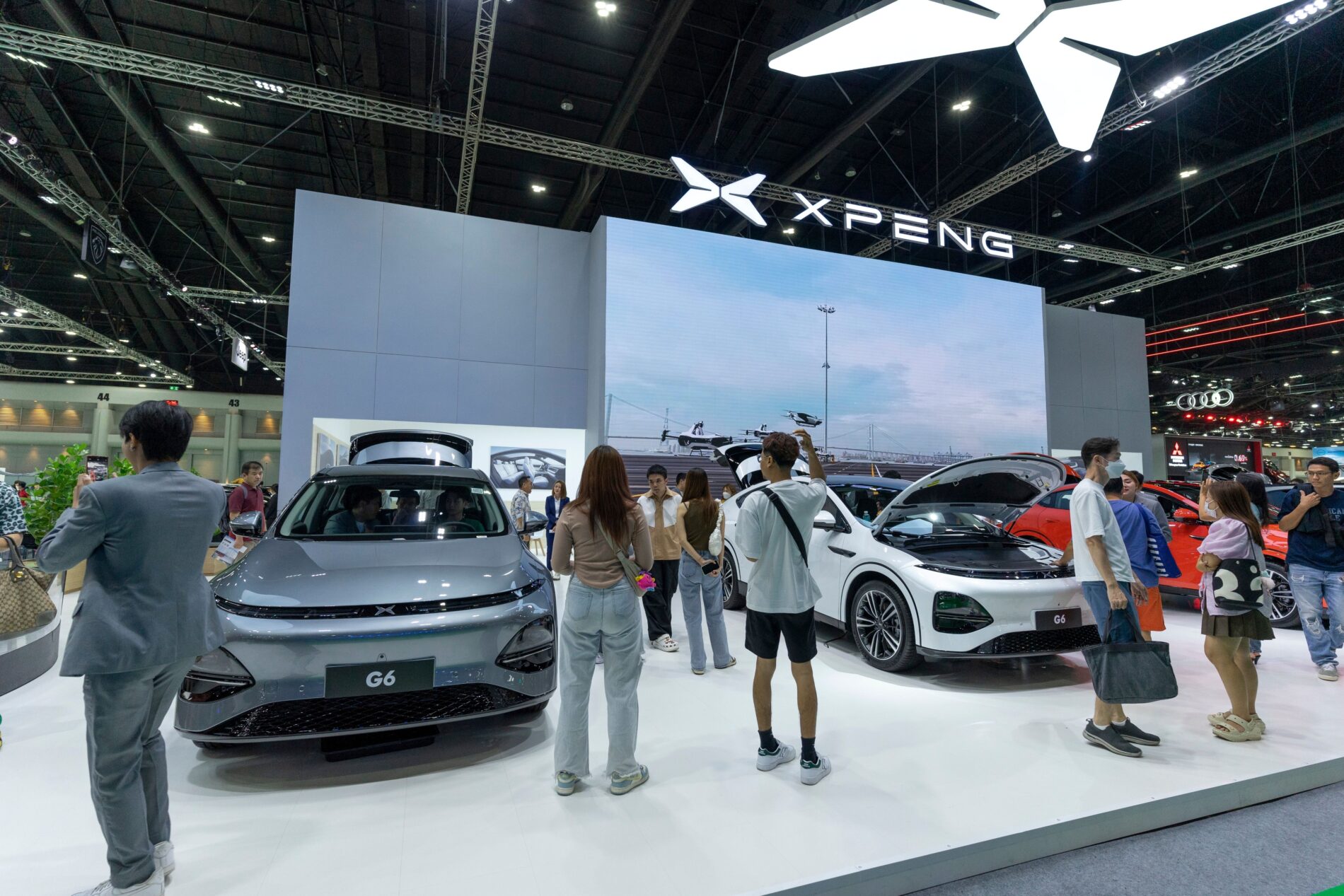
According to sources close to the matter, several options are currently under discussion. These include the acquisition of a factory and the establishment of a new production site. Furthermore, utilizing available capacity within Volkswagen’s existing facilities is considered a plausible option. However, Xpeng executive Elvis Cheng described older VW plants as “a little old.”
Volkswagen Frees Up Space; China Gains Access
Volkswagen is scaling back production capacity in Europe as demand for electric vehicles grows more slowly than projected. At the same time, Chinese manufacturers are making increasingly aggressive inroads into international markets. This confluence of factors has created a strategically delicate situation: European production facilities are becoming available just as Chinese corporations are seeking market access.
The partnership between the two companies dates back to 2023, with Volkswagen holding a 4.99 percent stake in Xpeng. The two parties are also jointly developing electric vehicles specifically for the Chinese market; indeed, a collaborative model—the ID. Unyx 08—is already rolling off the assembly lines there.
EU Tariffs Could Lose Their Effectiveness
For Chinese suppliers, EU tariffs are intensifying the pressure. Since October 2024, additional duties have applied to battery-electric vehicles imported from China. Consequently, manufacturing within Europe is gaining economic significance; local production can lower costs and reduce political hurdles.
However, this presents a problem for Europe. The tariffs are intended to protect domestic manufacturers. If Chinese suppliers begin manufacturing in European plants in the future, this protective effect will be partially undermined. Furthermore, industrial control would shift even further toward China.
Europe’s Automotive Industry Risks New Dependencies
This creates a dangerous conflict of objectives for Europe’s automotive industry. Idle plants incur significant costs, whereas Chinese partners promise rapid capacity utilization. At the same time, however, their influence over production, technology, and model planning is growing. This trend could create new dependencies.
Volkswagen could find short-term relief for its production sites, yet competitive pressure is set to continue rising in the long run. Through European manufacturing, Xpeng would move closer to customers, dealerships, and regulatory authorities. Moreover, the manufacturer could bolster its image as a local supplier. For German plants, this would serve as a warning signal with far-reaching implications.