
In Bavaria, electricity customers are increasingly reporting incorrect bills following the installation of digital meters in July 2026. Households with photovoltaic systems, heat pumps, or wallboxes are also affected. Often, the issue lies not with the metering itself but with data exchange between multiple companies. Consequently, incorrect or missing data can lead to substantial demands for additional payment and the failure to credit feed-in payments. Furthermore, corrections can take months because suppliers, grid operators, and metering point operators pass responsibility back and forth. The Consumer Association of Bavaria reports an estimated two dozen complaints regarding electricity bills per day. The Federal Network Agency, however, does not recognize any known spike in incorrect billing.
Erroneous electricity bills reach several thousand euros
A case from Pähl in Upper Bavaria illustrates the potential financial consequences. Following a meter replacement, the electricity supplier demanded a back payment of just over 7,000 euros. However, the customer had regularly recorded the meter readings and contested the charge. The company subsequently reduced the claim to around 1,300 euros. Nevertheless, the customer still considered even this amount to be excessive.
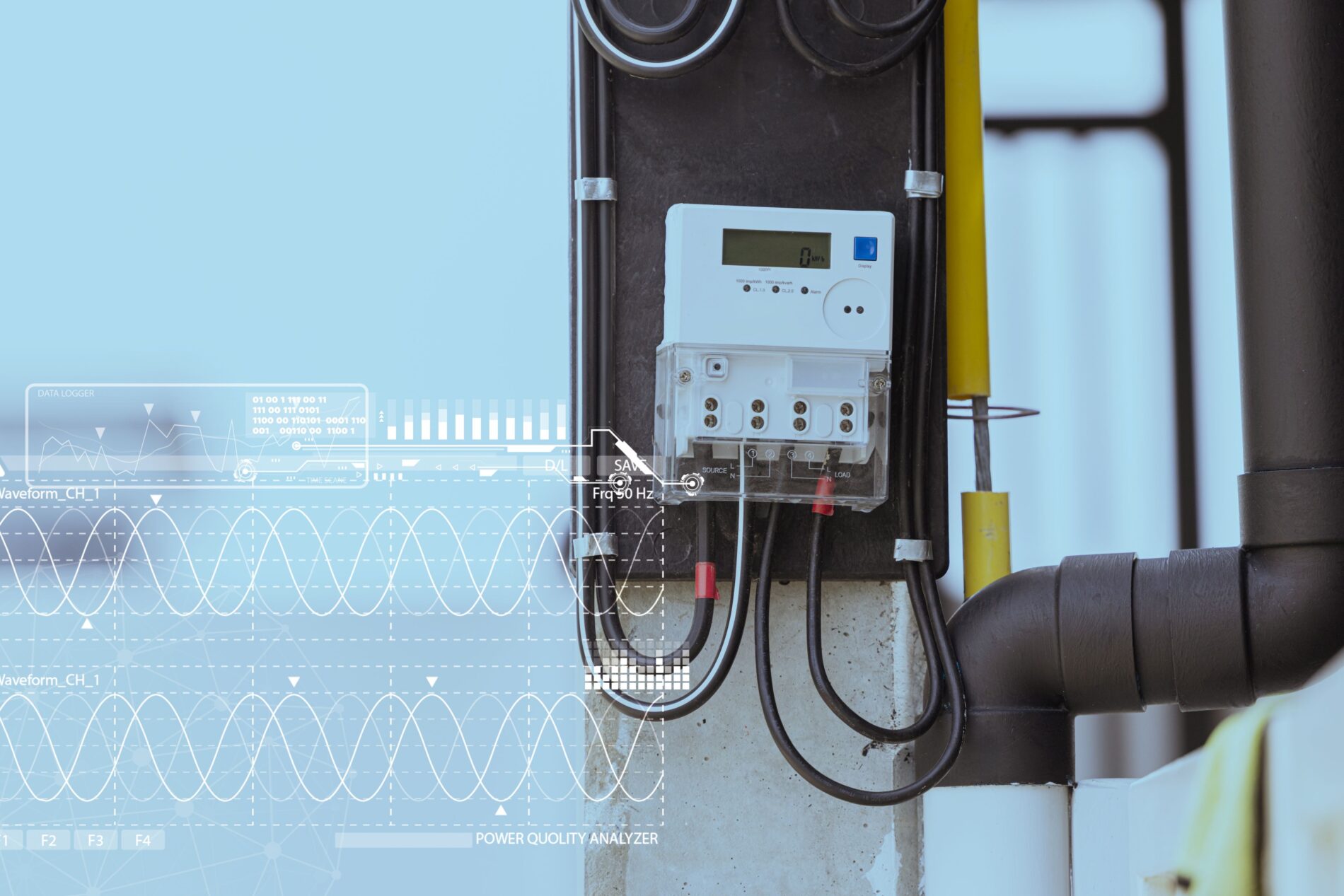
Image: Shutterstock
The Federation of German Consumer Organizations (vzbv) generally does not attribute the root cause to the smart meter itself. Instead, the issue lies in the correct assignment of new meter data by metering point operators, grid operators, and suppliers. This data includes meter numbers, consumption figures, feed-in data, and tariff details. However, each market participant uses its own IT systems. If a data transmission fails at an interface, incorrect electricity bills can result, even if the meter is technically functioning correctly.
More than 850 grid operators exchange metering data
Germany has over 850 distribution grid operators, each with different technical workflows. Furthermore, market communication formats change regularly. Consequently, the Federation of German Consumer Organizations reports delays in feedback and processes prone to error. Some installed smart meters remain not fully functional for months or even years. As a result, customers miss out on potential savings from dynamic tariffs and precise consumption management.
Meter connectivity can also cause problems. For security reasons, many metering point operators use their own mobile network connections rather than the customer’s private Wi-Fi. However, reception is often inadequate in basements, preventing remote meter reading from working as intended. Customers are therefore still required to record their readings themselves and report them to their electricity provider.
Federal Network Agency sees no spike in billing errors
The Federal Network Agency stated to BR24: “The Federal Network Agency is not aware of a widespread occurrence of incorrect billing in the market.” At the same time, the agency pointed to various causes in individual cases. However, it was already aware of technical and organizational weaknesses regarding the smart meter rollout. A study by the Federation of German Consumer Organizations also documented overwhelmed processes and market partners that were difficult to reach. Thus, structural problems are known, even though the agency does not confirm a spike in incorrect electricity bills.
The Energy Conciliation Body (Schlichtungsstelle Energie) provides further indications of general billing problems. For 2025, it cites 2,010 cases involving disputed bills and 1,926 instances concerning meter readings. In addition, there were 601 reports relating to modern metering equipment and 1,256 to photovoltaic systems. However, these categories overlap and do not exclusively concern smart meters. Nevertheless, the figures demonstrate that disputes over meter readings and bills account for a significant portion of the complaints.
Customers must secure evidence themselves
Affected customers should immediately verify meter numbers, readings, and tariff rates. It is also advisable to take a photograph of the meter reading at least once a month. Specific features—such as heat pumps, wallboxes, or solar power systems—must also be correctly reflected on the bill. Customers should submit any objections in writing to the party that issued the bill. When making a payment “under protest,” the consumer protection agency recommends clearly stating this in the payment reference field.
If the bill is not corrected, customers can turn to the Energy Conciliation Body (Schlichtungsstelle Energie). However, they must first have lodged a complaint with the company without success. Under the Energy Industry Act, the provider is required to process the complaint within four weeks. Legal assistance may also be advisable for claims amounting to several thousand euros. The continued rollout of smart meters is likely to increase the number of complex billing disputes as long as data transmission and areas of responsibility do not function reliably. The Federal Network Agency has already initiated proceedings against 77 companies that failed to meet their statutory rollout quotas.
Author: Blackout News
Sources: BR24 (23.07.26) – Verbraucherzentrale Bundesverband (26.05-26) – Bundesnetzagentur (27.03.26) – Schlichtungsstelle Energie (01.02.26)