
Heating costs for German households will vary significantly in 2026, according to the new nationwide heating cost report. Heating oil will become particularly expensive; for an average single-family home, costs are projected to rise by 28 percent compared to 2025. The primary drivers are sharply higher oil prices resulting from the war involving Iran and a strained supply situation. Additionally, the carbon price is driving up the cost of fossil fuels, while higher pellet prices are largely attributable to a tight timber market. By contrast, the annual average price of natural gas could initially decrease, though rising wholesale prices might eventually be passed on to consumers.
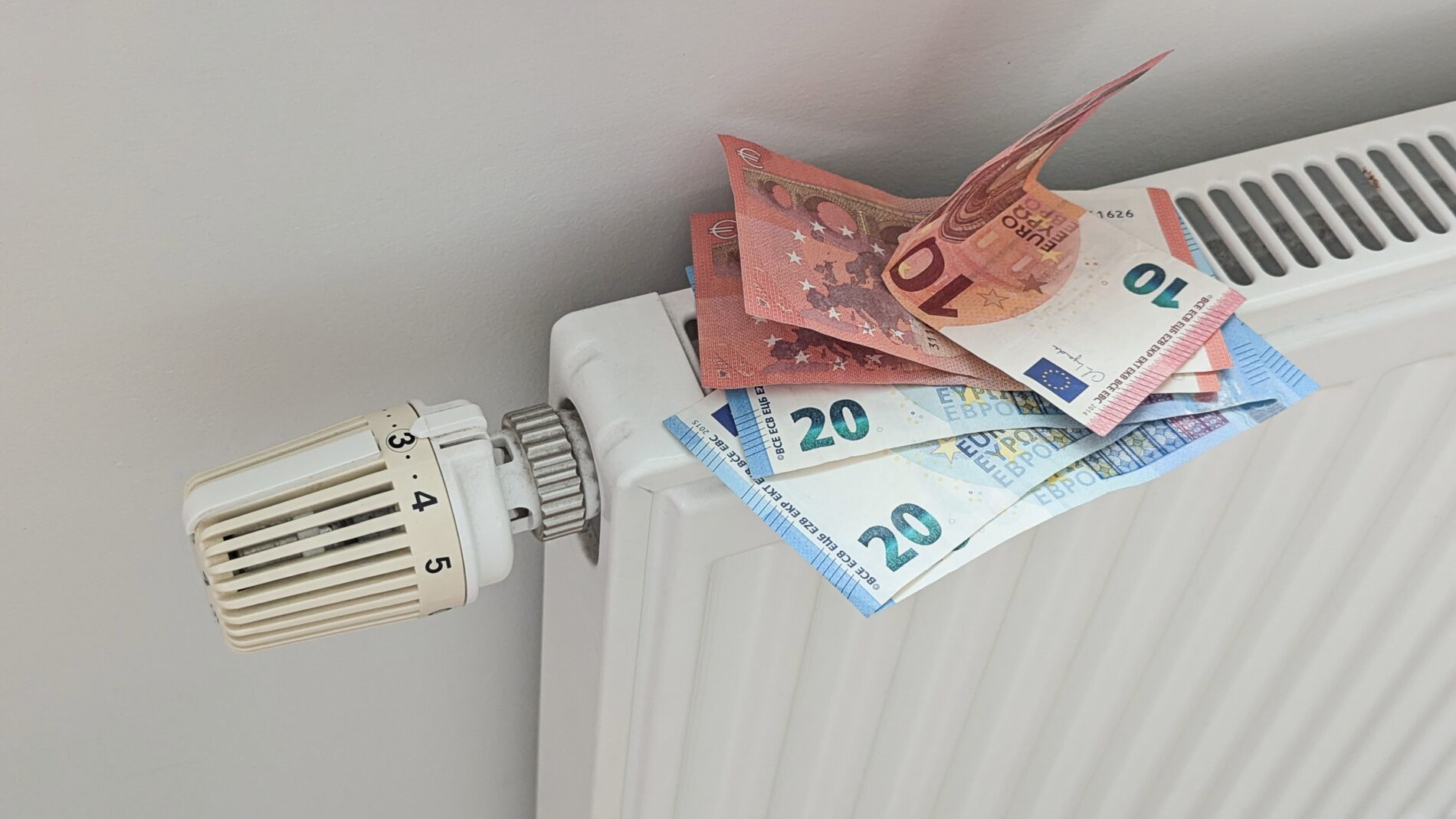
Image: Shutterstock
Heating costs for oil and pellets are rising particularly sharply
For an average single-family home of 130 square meters, co2online projects heating oil costs of 2,745 euros. Last year, the figure was 2,145 euros, representing a 28 percent increase. Wood pellet costs are also rising significantly—from 1,415 to 1,740 euros, an increase of 23 percent.
Smaller apartments are also affected by this trend, though the absolute cost increase is lower. For a 70-square-meter apartment, projected oil costs are rising from 1,030 to 1,275 euros—a 24 percent increase—while pellet costs are rising by 17 percent to 860 euros. Current pellet prices also confirm this sharp rise: the German Pellet Institute reports a nationwide price of 454.21 euros per tonne for September, based on a purchase of six tonnes.
CO2 pricing further drives up the cost of oil and gas
CO₂ pricing will be an additional factor affecting heating costs for fossil-fuel systems in 2026. For the first time, the national emissions trading scheme establishes a price corridor of between 55 and 65 euros per tonne of carbon dioxide; by contrast, a fixed price of 55 euros applied in 2025. Consequently, the CO₂ surcharge for heating oil could reach up to 20.70 cents per liter (including VAT) in 2026.
Based on consumer calculations, this results in annual CO₂ costs of between 349 and 412 euros for a consumption of 2,000 liters of heating oil. In comparison, costs for a gas heating system consuming 20,000 kilowatt-hours range from approximately 263 to 311 euros. However, CO₂ pricing does not fully account for the sharp rise in oil prices, as the significantly greater short-term impact in 2026 stems from the crude oil market.
Gas prices to drop initially – but relief remains uncertain
In 2026, natural gas stands out as the exception among common heating systems. The Heizspiegel (Heating Cost Index) forecasts a drop in costs from €2,040 to €1,930 for an average single-family home—a 5% decrease—while a 4% reduction is expected for a 70-square-meter apartment. One reason for this is the elimination of the gas storage levy as of January 2026.
However, gas heating costs could rise again later, as increases in wholesale prices often take time to filter through to retail tariffs. Furthermore, the CO₂ price remains an additional component of the bill for both gas and oil. Consequently, the actual financial burden on households depends not only on the heating technology used but also on the condition of the building, energy consumption, the specific tariff, and fuel prices. The Heizspiegel provides average figures and forecasts, not individual billing statements.
Author: Blackout News
Sources: Heizkosten steigen 2026: So teuer sind Öl, Gas und Wärmepumpe – Heizkosten steigen 2026 laut Prognose an – Heizen wird teurer: neuer Heizspiegel zeigt Sparpotenziale von bis zu 1.000 Euro pro Jahr