
Oil prices continue to climb unabated amid uncertainty regarding the progress of negotiations between the US and Iran on ending the war. By midday Monday, a barrel (159 liters) of North Sea Brent crude had risen 4.1 percent to $108.65. US West Texas Intermediate (WTI) stood at $96.31 per barrel—an increase of 4.2 percent. At German gas stations, the price of gasoline rose slightly over the weekend, while the price of diesel fell marginally.
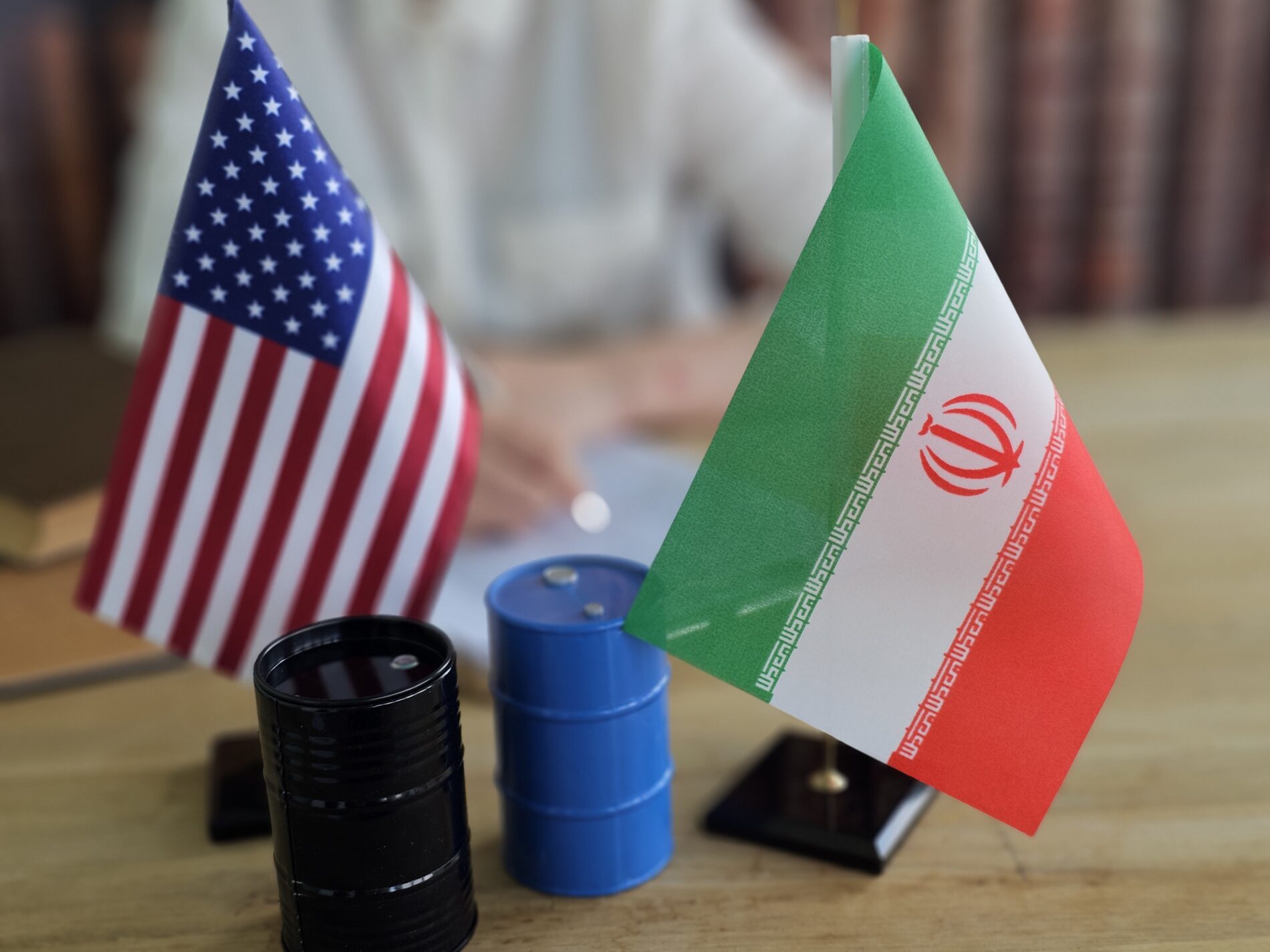
Image: Shutterstock
“Oil prices rose again after President Trump stated he had rejected Iran’s latest proposal regarding the reopening of the Strait of Hormuz,” explained analyst Russ Mould from the investment platform AJ Bell. Last week, Iran had set seven conditions for ending the war and reopening the Strait of Hormuz. According to Iranian officials, these include a cessation of all hostilities in the region—including in Lebanon—as well as the release of frozen Iranian assets.
US President Donald Trump has indicated that he expects indirect talks with Iran to continue. According to the US news portal Axios, these talks are to be conducted via Qatari mediators.
In Germany, motorists had to pay slightly more for gasoline again over the weekend. On Friday, a liter of Super E10 cost an average of 2.277 euros; by Sunday, the price had risen to 2.279 euros. Diesel prices, on the other hand, saw a slight decline, dropping from 2.432 euros per liter on Friday to 2.428 euros on Sunday.
To provide relief to motorists hard hit by fuel prices, the federal government once again initiated a fuel tax cut, which Federal President Frank-Walter Steinmeier signed on Friday following approval from the Bundestag and Bundesrat. Consequently, the tax reduction of approximately 17 cents per liter will take effect on October 1, as planned.
The new fuel tax cut is limited to a three-month period, running from October 1 to December 31. Fuel taxes had previously been reduced by around 17 cents in May and June as well.
This measure comes against the backdrop of sharply rising gasoline and diesel prices, which have surged significantly due to turmoil in oil markets caused by the war with Iran. The conflict began in late February with US-Israeli attacks on Iran. Since then, Tehran has largely blocked the Strait of Hormuz—a vital route for the transport of crude oil and liquefied natural gas—while the US has imposed a naval blockade on Iranian ports.
Author: AFP – oer/ilo – Translated by Blackout News
Sources: AFP Press Portal