
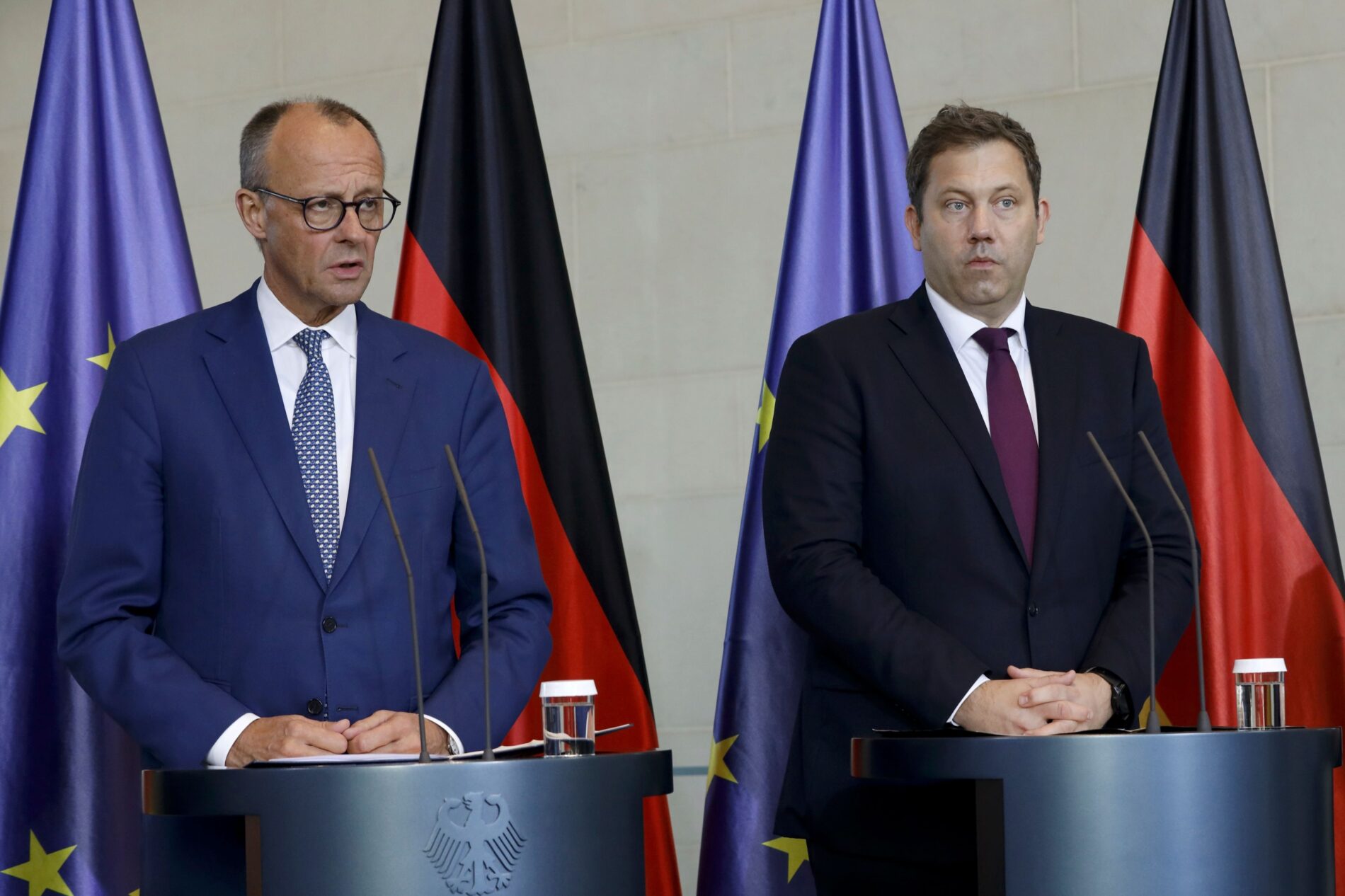
In 2026, Germany is experiencing a deep political deadlock, despite months of promises from the government and political parties to maintain their capacity to act. The heralded “Autumn of Reforms” has yielded largely no results, while infighting between the CDU—led by Chancellor Friedrich Merz—and the SPD—led by Finance Minister Lars Klingbeil—lays bare the frustration within the coalition. However, the root cause is not merely weak leadership in Berlin, but rather a multifaceted crisis stemming from an aging population, a backlog of overdue reforms, restrictive judicial rulings, and the political “firewall” against the AfD. The consequences are impacting citizens, businesses, the welfare state, infrastructure, and the Bundeswehr.
Reform Backlog Makes Decisions Politically Costly
Germany must resolve numerous major problems simultaneously. Roads, bridges, and railways are suffering from years of neglect. Furthermore, the Bundeswehr lacks personnel, weaponry, and clear priorities.
However, the economic situation has changed drastically. In the past, cheap gas from Russia, strong exports, and free trade underpinned the German model. Today, punitive tariffs, high energy costs, and global conflicts are acting as a drag on Germany as a business location. The resulting economic crisis continues unabated, with negative repercussions for the labor market and for the finances of the federal government, the states, and local municipalities.
Aging Population Stymies Social Welfare Reforms
Demographic trends are shifting political majorities. Older voters exert a particularly strong influence on the CDU and the SPD; consequently, both parties shy away from making drastic changes to the pension system.
Nevertheless, many politicians recognize the urgent need for action. The statutory pension system requires reform to ensure that younger contributors are not overburdened. Furthermore, costs for healthcare and long-term care continue to rise steadily.
Courts Constrain Scope for Political Action
Judicial rulings also place limits on political decision-making. The Federal Constitutional Court’s 2021 ruling on climate protection compelled the “Grand Coalition” government of the time to make significant adjustments to its policies. As a result, Germany faces considerable difficulty in aligning its climate policy with that of industrialized nations that adhere to less stringent standards.
In the realm of asylum law, European law exerts a profound influence. In 1993, the CDU and the SPD were still able to enact comprehensive amendments to Germany’s asylum laws. Today, however, EU regulations and rulings by the European Court of Justice restrict the scope for unilateral national action.
“Firewall” Politically Excludes Millions of Voters
The “firewall” against the AfD does not merely block coalitions; it also devalues the votes of millions of citizens—even though those votes were cast legally and democratically. Consequently, the exclusion of entire groups of voters appears highly problematic for the democratic process of political will-formation.
For the Union parties, this creates a massive strategic dilemma. Many CDU and AfD voters share common concerns regarding migration, internal security, energy prices, bureaucracy, and economic decline. However, there are also clear dividing lines—for instance, concerning foreign policy, trust in institutions, and radical political stances.
Politics Must Focus on Common Ground
The task of democratic politics should be to openly explore areas of commonality. It must clearly identify differences, yet refrain from treating every divergence as a taboo subject. Those who emphasize only what divides us artificially constrict the political space.
The AfD benefits from this situation. It is not required to demonstrate practical governing competence and can instead issue maximalist demands without having to bear responsibility for any concrete consequences. While the established parties defend their firewall, protest is mounting against a political system that blocks the formation of potential majorities.
Thus, this political blockade extends far beyond the scope of day-to-day political squabbles. It has developed over decades and now coincides with a deteriorating economic climate. If the political establishment continues to postpone necessary reforms, the risk of a permanent national decline will only continue to grow. (KOB)