
At the end of April 2026, Germany temporarily paid substantial sums to attract foreign countries to purchase surplus solar power and other electricity. The market price plummeted to a negative price of minus 48 cents per kilowatt-hour. Simultaneously, operators of older solar power plants received feed-in tariffs of up to 40 cents. This resulted in a calculated net cost of up to 88 cents per kilowatt-hour. The triggers were high photovoltaic feed-in, additional wind power, and low demand. The crucial risk factors lie in a lack of storage capacity, sluggish grids, and insufficiently flexible consumers. The costs are ultimately passed on to citizens and businesses through taxes, grid fees, and electricity price components. Grid operators are increasingly forced to intervene to prevent overloads. If the problem remains unresolved, the risk of targeted shutdowns in specific grid segments increases. (welt: 30.04.26)
Solar power drives negative prices down
The price collapse reveals a structural problem, because electricity always needs buyers. The market price plummeted to minus 48 cents per kilowatt-hour. Buyers not only received free energy, but also received payment for taking it off their hands.
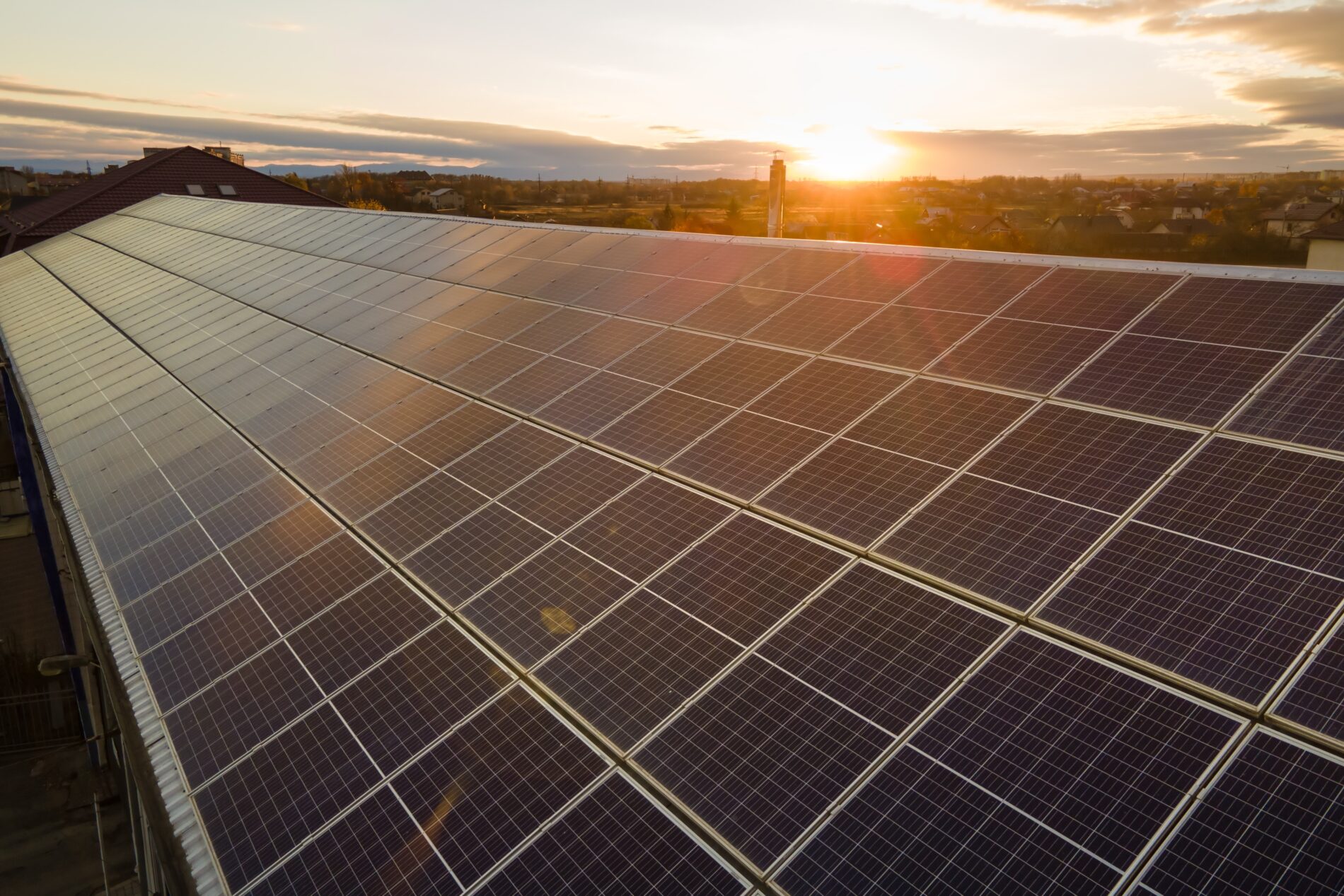
At the same time, subsidies for many solar power plants continued. Operators were therefore able to receive up to 40 cents per kilowatt-hour in some cases. Together, the market deficit and the subsidies result in calculated costs of up to 88 cents. This sum demonstrates how expensive surplus solar power has become due to uncontrolled expansion.
Other countries profit from German surpluses
Neighboring countries were able to utilize Germany’s surplus, while Germany paid for it. Austria and Switzerland, for example, stored electricity using pumped-storage power plants. They pumped water into higher-elevation reservoirs. Later, they can generate electricity from this water and then buy it back from Germany at a high price when there is a shortfall in the grid.
This does not create an advantage for Germany, but rather an expensive workaround. Exporting only provides short-term relief to the grid. Meanwhile, the costs remain within the German system. Therefore, consumers and taxpayers are paying for electricity generation that occurs at the wrong time.
Grid risks increase with every oversupply
Grid operators must constantly balance generation and consumption. Too much feed-in can overload regional grid areas. Therefore, operators intervene more frequently. They curtail plants, shift loads, or secure reserves.
These interventions cost money and are increasing. In summer, solar production rises even further. Without storage and flexible demand, solar power could again trigger massive negative prices. This would threaten even higher system costs and more stringent interventions in the grid.
Subsidy regulations come into focus
The debate therefore revolves around storage, smart meters, and controllable systems. Dynamic electricity tariffs are only helpful if consumers can technically utilize them. Smart meters are lacking in many places. Large storage facilities are also not yet available in sufficient numbers.
Policymakers are therefore examining new rules for subsidizing small solar installations. New installations should react more strongly to market prices. Furthermore, expansion must be linked to storage and grid infrastructure. Otherwise, Germany will continue to pay to get rid of surplus solar power.