
The Bundeswehr has ordered new combat helicopters for approximately 2.5 billion euros, yet their intended armament is not yet ready for operational use. In early November 2026, the Federal Court of Audit criticized significant shortcomings in the procurement of the Airbus H145M. While the aircraft are capable of flight, they are not currently available for regular combat missions; this is because safety-certified ammunition for the onboard cannon is lacking, and the integration of anti-tank missiles has not yet been completed. Consequently, the Bundeswehr faces a potential delay of several years in achieving full military operational readiness. At the same time, Germany’s commitments to NATO are being put at risk.
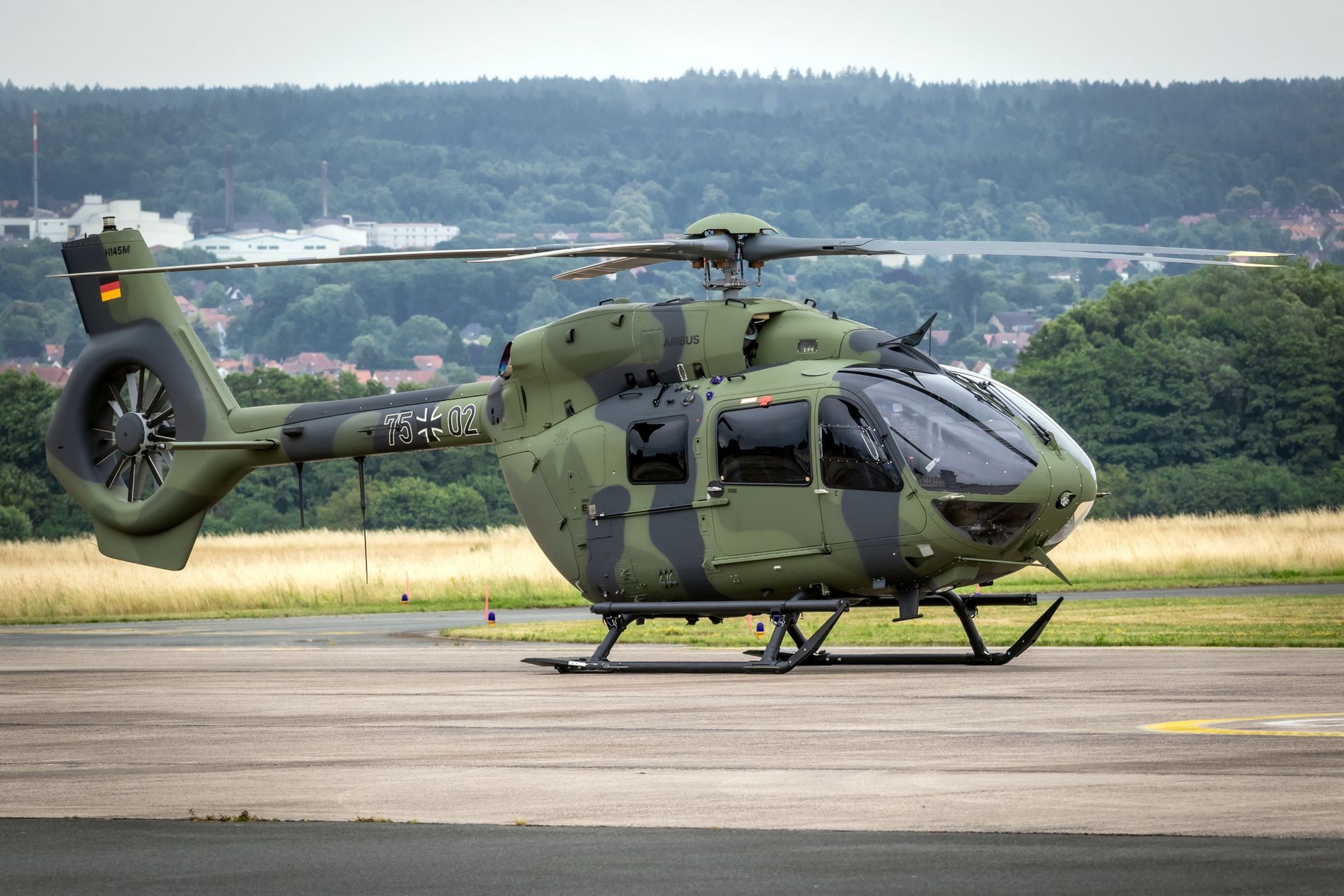
Image: Shutterstock
Attack helicopters without operational weapons fail to serve their primary purpose
The critical shortcoming concerns the core military function of these new aircraft. An attack helicopter must be capable of engaging enemy targets and providing fire support to friendly forces; however, without functional weaponry, it cannot perform these tasks. Consequently, the Bundeswehr is initially receiving aircraft that are suitable primarily for training and other secondary roles, while lacking the equipment necessary for their intended combat missions. The Federal Court of Audit has therefore criticized the fact that the aircraft are currently available only in a provisional configuration.
The planned 20mm onboard cannon is particularly problematic. The ammunition intended for it lacks the necessary safety certification because its percussion primer is sensitive to electrostatic discharge. Furthermore, the Bundeswehr has yet to complete testing of the designated projectiles—evaluations that, according to reports, have been pending since the summer of 2020. It remains unclear when a safe and approved ammunition solution will be available. As a result, a fundamental requirement for the deployment of these helicopters in armed combat remains unfulfilled.
Anti-tank missiles worth 384 million euros not yet operational
There are also significant delays regarding the planned missile armament. The Bundeswehr intends to equip its H145M helicopters with Spike ER2 anti-tank guided missiles. However, initial firing tests in May 2025 failed due to technical issues with the guidance system. Consequently, the integration of the weapon system remains incomplete. Despite this, a further procurement of guided missiles—valued at approximately 384 million euros—is underway. The Bundeswehr is not expected to receive these missiles until late 2027 at the earliest, with testing to follow through 2029. Even the Ministry of Defence describes this timeline as highly ambitious.
This creates a substantial financial and military risk. The Bundeswehr is investing billions in combat helicopters, even though their primary intended armament is not yet operational. Furthermore, additional funds are being spent on missiles whose suitability for the H145M has not yet been definitively proven. The Federal Court of Auditors has therefore warned that the guided missiles might fail their operational evaluation. In such a scenario, the Bundeswehr would be unable to deploy the procured weapons as intended. Without functional armament, the helicopters would be largely worthless for their primary combat mission.
82 helicopters already ordered—despite a lack of combat capability
The decision to select the Airbus H145M was originally intended to accelerate the procurement process. This helicopter model is already available on the market and belongs to a proven family of aircraft. Civilian versions are used by emergency medical services, while the Bundeswehr already employs military variants for its special forces. However, converting the aircraft into an armed combat helicopter requires additional technology and extensive certification. It appears the Ministry of Defence underestimated the development and integration effort involved. Consequently, what was intended to be a rapid procurement process will not, at least initially, result in the desired military operational capability.
In December 2023, Germany placed an initial order for 62 units, with options for an additional 20 helicopters. The Federal Government exercised this option in December 2025, bringing the total order to 82 aircraft—72 for the Army and ten for the Air Force. The first unit was delivered in November 2024, with further deliveries scheduled through the end of 2028. This multi-billion-euro contract covers not only the aircraft themselves but also training, maintenance, and logistical support. Nevertheless, a fundamental contradiction remains: the aircraft are being delivered, yet their full military combat capability has yet to be achieved.
NATO Commitments at Risk – Federal Court of Audit Calls for Review
The delays come at a critical stage in the Bundeswehr’s rearmament efforts. Germany has pledged to NATO that it will provide twelve operational combat helicopters by 2029, with a total of 72 aircraft to be available for such missions by 2032. However, simply delivering the helicopters and ensuring they can fly is not enough; they must also be equipped with their intended weaponry and be ready for military deployment. The Federal Court of Audit therefore questions whether the Bundeswehr will be able to meet its obligations on time. The Ministry of Defence has dismissed this concern, though it has announced that it will examine the points raised.
The auditors recommend a fundamental review of the entire procurement project. They had also called for a suspension of any further orders; however, the federal government had already placed a firm order for an additional 20 aircraft before these criticisms came to light. This further intensifies questions regarding the project’s cost-effectiveness. While the helicopters—even without weaponry—can still be useful for training, reconnaissance, and other tasks, such capabilities do not substitute for their intended combat role. An aircraft that can fly is not the same as a combat-ready helicopter. For a multi-billion-euro defense project, this distinction is crucial.
Author: Blackout News
Sources: ntv (01.11.26) – BR24 (01.11.26) – Fokus (01.11.26)