
On October 30, 2026, in Wolfsburg, Volkswagen provisionally suspended development work on the new e-Golf. This decision stems from significant financial difficulties, a multi-billion-euro loss in the third quarter, and a failure to meet cost-saving targets at the company’s main plant. In Wolfsburg alone, the savings achieved have fallen short of the planned cost-reduction goal by approximately 300 million euros. Consequently, VW must, for the time being, forgo further development spending on one of its key future models. Nevertheless, the planned market launch for the early 2030s remains in place.
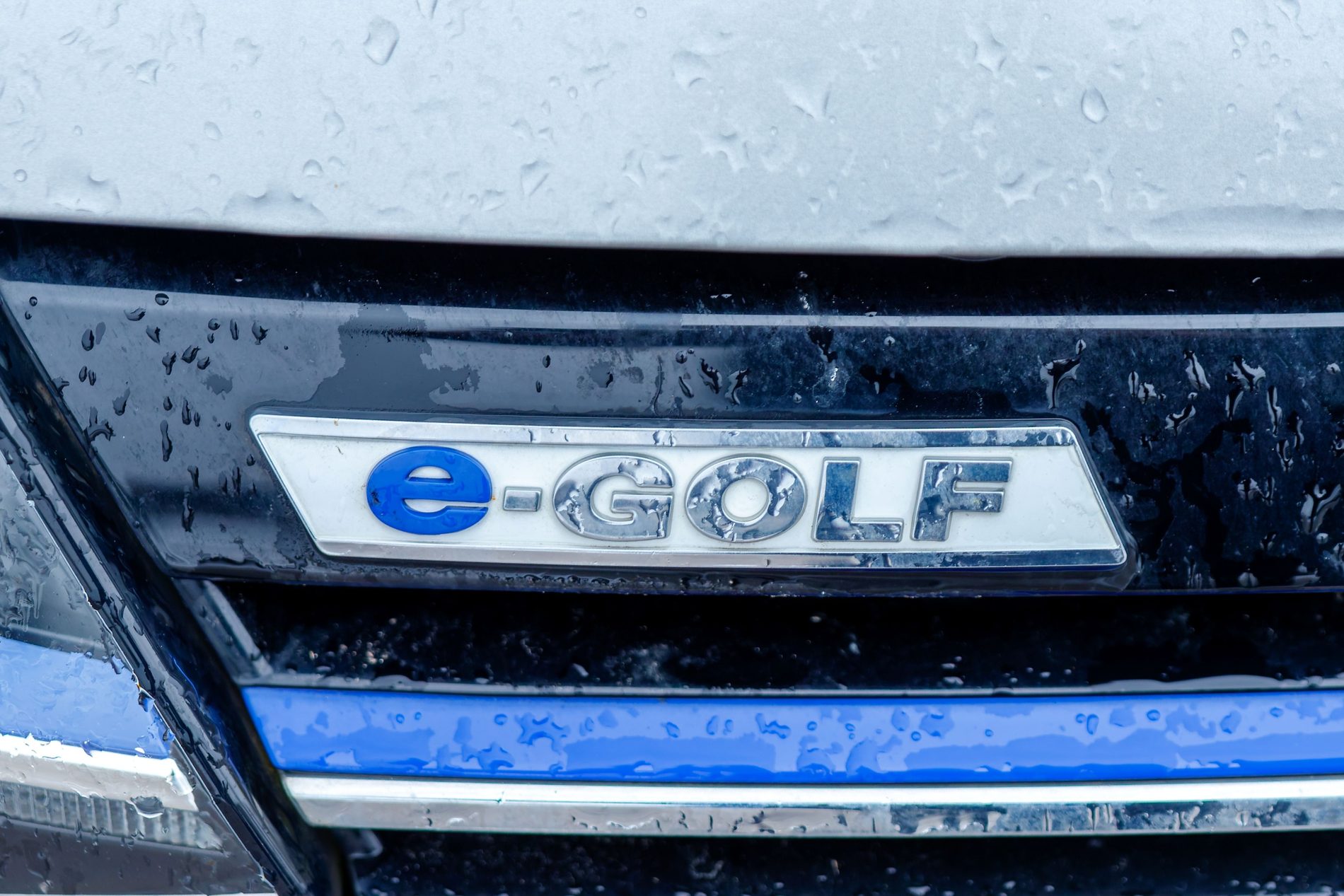
Image: Shutterstock
E-Golf falls victim to Volkswagen’s cost-cutting measures
The new electric Golf is intended to play a central role in Volkswagen’s future model lineup. However, the company currently lacks the financial flexibility required for the planned development work. VW brand CEO Thomas Schäfer stated internally: “Quite simply, we cannot afford this work at the moment.” Development will only resume once the group achieves further cost savings.
The situation at the main plant in Wolfsburg is particularly problematic. While the Emden and Zwickau sites are meeting their cost targets, Wolfsburg is falling significantly short of its objectives—with a projected shortfall of approximately 300 million euros for 2026 alone. Consequently, the group must re-prioritize its investments, even though Wolfsburg is slated to produce key electric vehicles in the future.
Multi-billion euro loss deepens crisis at Volkswagen
The latest financial results highlight the scale of the company’s economic challenges. In the third quarter of 2026, Volkswagen recorded a net loss of 5.82 billion euros. At the group level, the bottom line was hit particularly hard by multi-billion euro write-downs at Porsche, weak performance in China, and high restructuring costs. The core Volkswagen brand lost 182 million euros during the same period, marking its first quarterly loss since 2020.
Compounding these issues is a fundamental challenge regarding electric mobility. Although Volkswagen is selling an increasing number of electric vehicles, the company states that these generate lower earnings than comparable internal-combustion models. Meanwhile, Chinese manufacturers are intensifying competitive pressure in Europe with their affordable vehicles. This creates an economic dilemma: Volkswagen needs new electric models, yet it has so far failed to achieve the necessary profit margins on them.
E-Golf to be built on new electric platform
From a technical standpoint, Volkswagen intends to base the future Golf on its new corporate platform, the SSP (Scalable Systems Platform). This architecture is designed to cover various vehicle classes and, in the long term, reduce both development and production costs. However, the platform’s rollout has already been significantly delayed compared to initial plans. Consequently, the first SSP-based model to be produced in Wolfsburg is now slated to be an electric vehicle in the same segment as the T-Roc.
The works council emphasizes that Volkswagen has not completely scrapped the E-Golf. Development work on the planned electric T-Roc is also continuing. Furthermore, the employee representatives remain committed to the scheduled market launch of the Golf and expect Volkswagen to make up for lost development time. There is no guarantee of this, however, as the funding for further work remains contingent upon additional cost savings.
Cost-cutting program impacts the future of the main Wolfsburg plant
For Wolfsburg, the stakes go beyond the development of a single vehicle. The Golf—currently produced there with an internal combustion engine—is set to be manufactured in Mexico in the future. Meanwhile, the German flagship plant must secure a long-term workload through the production of new electric vehicles. Consequently, any prolonged hiatus in development complicates the planning of future production and employment levels at the site.
The financial implications extend well beyond any individual model. Volkswagen is targeting group-wide cost reductions of approximately 31 billion euros, while its operating margin—before special items—stood at just 3.8 percent after the first nine months. At the same time, the group recorded an operating loss of 5.86 billion euros in the third quarter. This decision highlights a core challenge within VW’s strategy: the company needs to make massive investments, yet it currently lacks the funding to proceed with the development of one of its most critical future models.
Author: Blackout News
Sources: Reuters (30.10.26) – Handelsblatt (30.10.26) – NDR (30.10.26)