Italy has leveled serious accusations against Germany regarding its insufficiently filled gas storage facilities. On October 29, a high-ranking government official in Milan criticized Germany’s procurement policy, stating that Berlin had delayed filling its reserves and is now forced to purchase gas at high prices. While Italy’s storage facilities were approximately 91 percent full, Germany’s reached only 61.7 percent. On October 28, the European gas price temporarily climbed to 100 euros per megawatt-hour. Consequently, Italy anticipates additional costs for households and businesses and has warned of further price spikes during the winter.
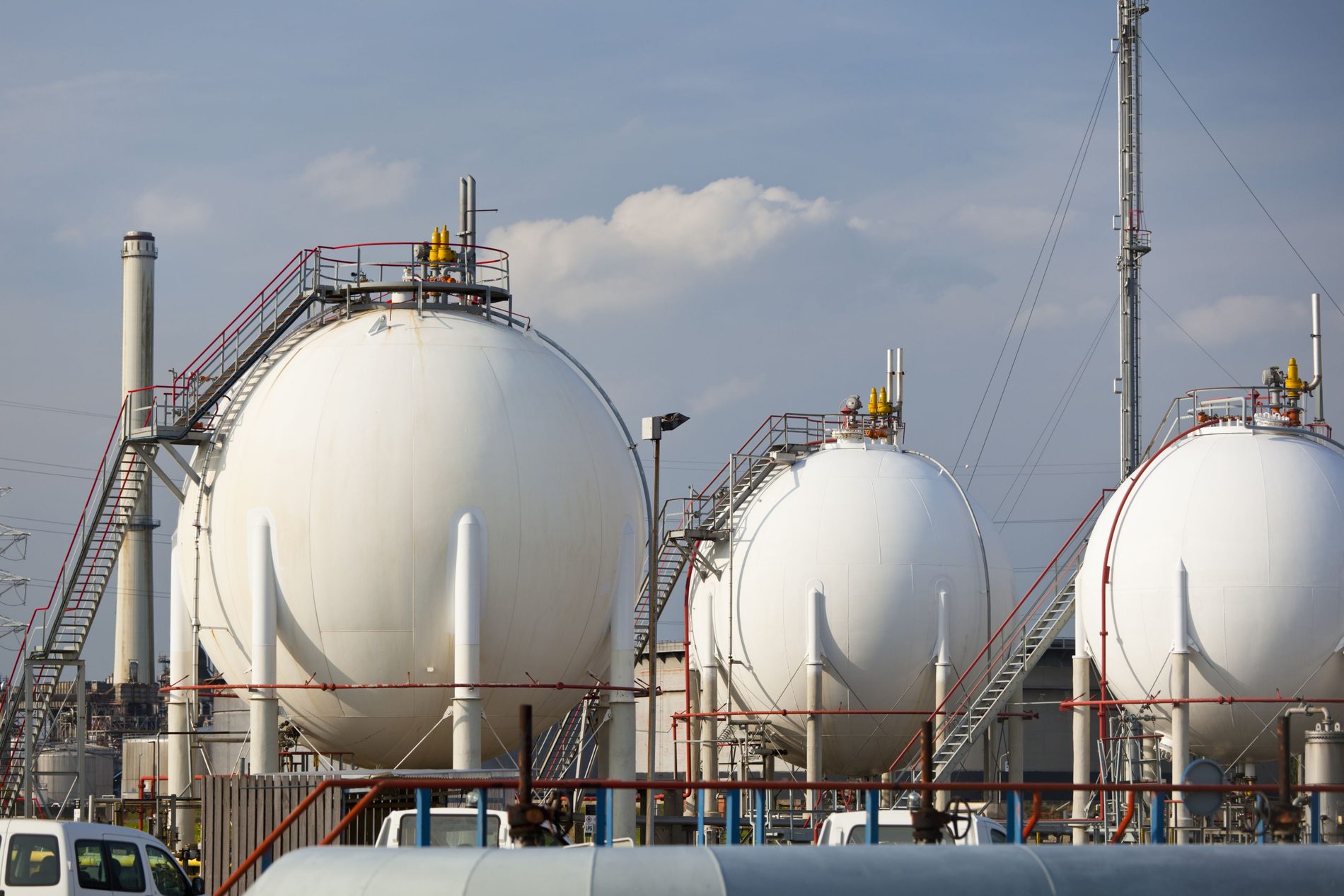
Image: Shutterstock
Italy spends 300 million euros and criticizes German gas procurement
Alessandro Noce, Director General for Energy Markets and Infrastructure at the Italian Ministry of Energy, voiced his criticism at an energy conference in Milan. He noted that Italy has spent approximately 300 million euros on filling its gas storage facilities. In contrast, Germany is only now purchasing large quantities—even though prices have already risen sharply. As a result, Noce argues that his country faces a double burden: the cost of its own precautionary measures, compounded by higher procurement prices.
The dispute is also linked to the planned privatization of the German energy companies Uniper and SEFE. An energy analyst at the conference suggested that Germany delayed filling its storage facilities to limit additional costs for these companies ahead of their sale. Noce sharply criticized this interpretation. The German federal government, however, denies that the privatization plans influenced its storage policy.
German gas storage levels fall significantly short of statutory requirements
Germany has missed its statutory gas storage target for November 1 by a wide margin. While the goal was an average fill level of 70 percent, the actual figure stood at approximately 61.2 percent—falling about nine percentage points short of the mandated threshold. By contrast, the European average reached nearly 75 percent, with France at approximately 87 percent and Italy at about 91 percent.
Despite this shortfall, the German federal government does not see an immediate threat to the gas supply. The Federal Ministry for Economic Affairs and the Federal Network Agency point to additional import options and ongoing deliveries. Germany now operates several LNG terminals and also receives pipeline gas from Norway. Nevertheless, these supply channels cannot fully replicate the function of storage facilities; sufficient volumes must be available on short notice, especially during periods of high consumption.
Federal government firmly rejects Italy’s accusations
On October 30, the Federal Ministry for Economic Affairs explicitly rejected criticism from Rome. The state-owned energy company SEFE has been tasked with procuring and storing eight terawatt-hours of natural gas over the course of about two months, with a focus on sourcing supplies from outside the European Union. According to the Ministry, these consist primarily of additional import volumes; the federal government therefore disputes the claim that these purchases are significantly driving up European gas prices.
The dispute, however, highlights diverging strategies within the EU. Italy filled its storage facilities early on with the help of state support, whereas Germany relied more heavily on ongoing imports and additional procurement as needed. The German government notes that Italy subsidized the storage of approximately 92 terawatt-hours of gas. Furthermore, German storage facilities also supply other European countries during the winter, meaning that national storage levels cannot be viewed in complete isolation.
Gas prices could rise to 180 euros in January
A prolonged cold spell in January could prove particularly critical. Noce suggests that European gas prices could reach between 150 and 180 euros per megawatt-hour under such conditions. He pointed specifically to northern Germany, Poland, and Lithuania, where a sharp increase in heating requirements could trigger additional demand. However, his forecast describes a potential scenario rather than a guaranteed price hike.
For Germany, the issue extends beyond the heating costs faced by private households. Industrial firms also rely on natural gas as an energy source and a raw material for production. Furthermore, high gas prices can drive up the cost of electricity generation in gas-fired power plants—a correlation that becomes especially significant during periods of low wind and limited solar power production. Meanwhile, the German federal government is planning to replace existing gas storage level requirements with a national strategic gas reserve. Whether this model can more effectively balance security of supply with affordable energy will depend crucially on the specific details of its implementation.
Author: Blackout News
Sources: Financial Times (01.11.26) – Bloomberg (31.10.26) – Reuters (30.10.26)