
DB Cargo is pressing ahead with the reduction of 6,200 of its approximately 14,000 jobs in Germany—a measure first announced in February—as the freight rail operator seeks to return to profitability and operate more profitably in the long term. Consequently, a formal agreement on balancing interests is expected to be finalized by mid-June. The job cuts are scheduled to be implemented through 2030. This move is particularly contentious given that the federal government aims to shift more freight traffic onto rail and waterways. At the same time, Deutsche Bahn is wholly owned by the federal government. (airliners: 22.05.26).
DB Cargo Plans Major Job Cuts
CEO Bernhard Osburg describes the cuts as unavoidable. According to him, a restructuring report calls for the elimination of 6,200 jobs. The aim is to bring DB Cargo out of the red.
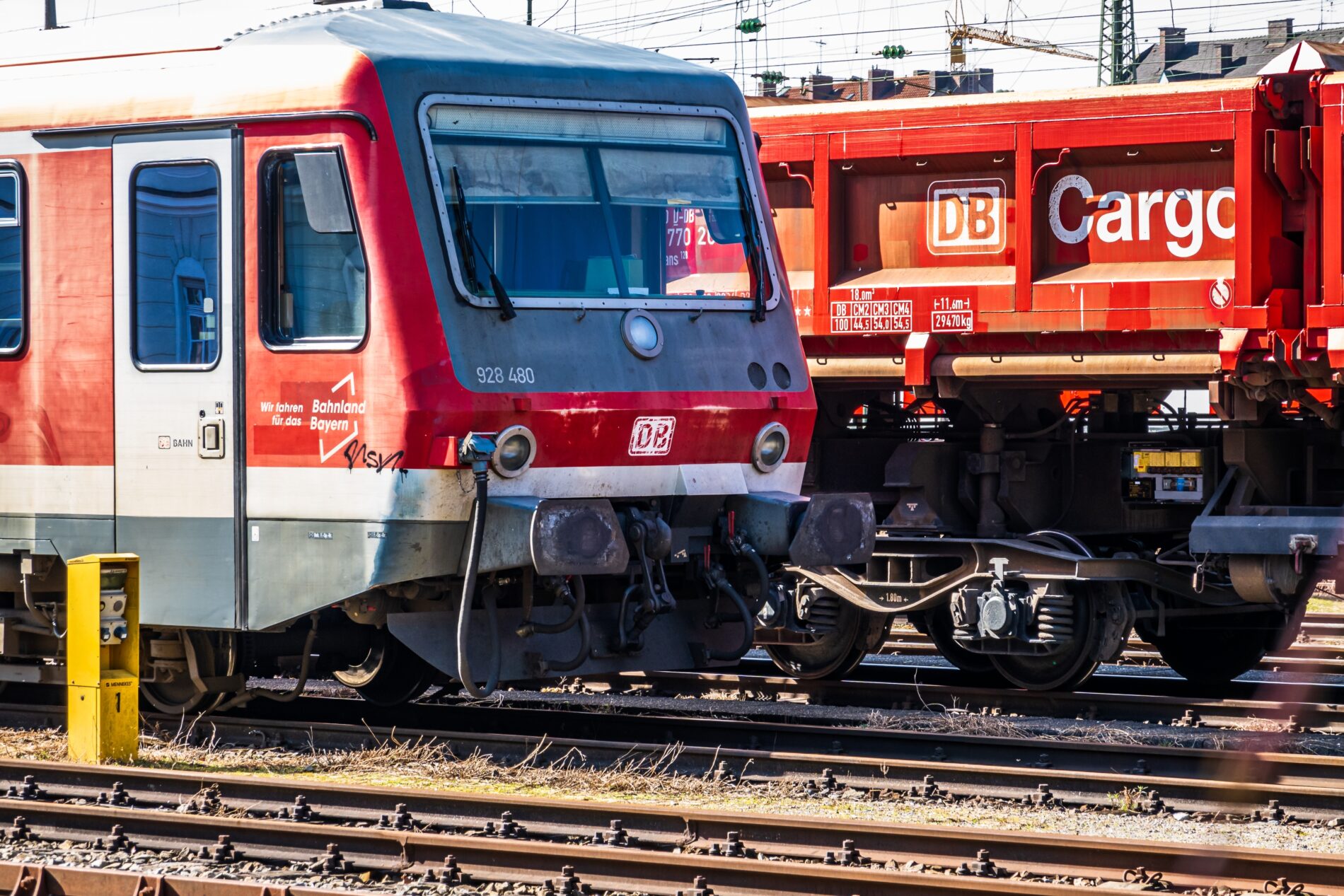
In the long term, the company is targeting a profitability level of three percent. Furthermore, restructuring measures worth one billion euros are scheduled to take effect by 2030. Consequently, workforce reductions constitute only one part of this restructuring process.
Freight Transport Becomes a Source of Political Conflict
The Federal Government aims to reduce transport-related emissions. To this end, Germany requires a shift toward non-road modes of transport. Rail and waterways play a pivotal role in this endeavor.
However, this is precisely where the conflict lies. The state-owned railway corporation is drastically downsizing its freight division. This brings to the fore the critical question of how freight transport is expected to grow in the future.
North Rhine-Westphalia Feels the Concrete Impact
According to Osburg, DB Cargo employs approximately 3,300 people in North Rhine-Westphalia. Additionally, the company operates around a dozen sites within the state. Consequently, the restructuring process carries particular weight in this federal state.
The city of Oberhausen is primarily affected in the area of maintenance. DB Cargo intends to sell this division to another railway subsidiary. As a result, a double-digit number of jobs are at stake in the region.
Duisburg Must Anticipate Adjustments
Duisburg is also among the locations mentioned. It houses a major “Control Tower” responsible for planning, dispatching, and sales. However, this division is slated to be restructured to align with future business requirements.
Osburg intends to implement these workforce reductions in a socially responsible manner. In this regard, he points to the significant number of employees nearing retirement age. Furthermore, the company’s internal job market is intended to facilitate transfers within the Deutsche Bahn Group.
Restructuring Does Not Solve the Fundamental Problem
The austerity measures may improve DB Cargo’s financial balance sheet; however, this is insufficient from a transport policy perspective. Without a commercially viable business model, no additional rail capacity will be created.
Consequently, the Federal Government faces a twofold dilemma: On the one hand, the transport sector is expected to reduce its emissions; on the other, its own rail freight division is shrinking—precisely at a time when more freight needs to be shifted onto the rails.