
Bei Leverkusen haben sich Linksextreme des „Kommando Angry Birds“ zu einer Sabotage an der Bahnstrecke Köln-Düsseldorf bekannt. Am Freitag, 10. Juli 2026, brannte ein Kabelschacht nahe der Wupperbrücke in Rheindorf. Bei den Reparaturen fanden Fachkräfte zudem einen zweiten Brandsatz rund 200 Meter entfernt. Mehrere Signalkabel wurden beschädigt, weshalb die Bahn den Abschnitt Leverkusen-Mitte–Langenfeld sperrte. Fern- und Regionalzüge fielen aus, wurden umgeleitet oder verspäteten sich um rund 30 Minuten. Die Strecke ist inzwischen repariert, doch bis zum 15. Juli waren keine Festnahmen oder identifizierten Tatverdächtigen öffentlich bekannt. Frei zugängliche Kabelanlagen erleichtern solche Angriffe und bleiben deshalb eine Schwachstelle des weitläufigen Bahnnetzes.
Investigators Suspect Arson
Technicians spotted the fire on Friday morning at the railway bridge over the Wupper River, near Solinger Straße. Firefighters extinguished the blaze, but the heat had already damaged critical signaling cables. The Cologne public prosecutor’s office and police now suspect arson; security sources, however, consider a technical fault unlikely.
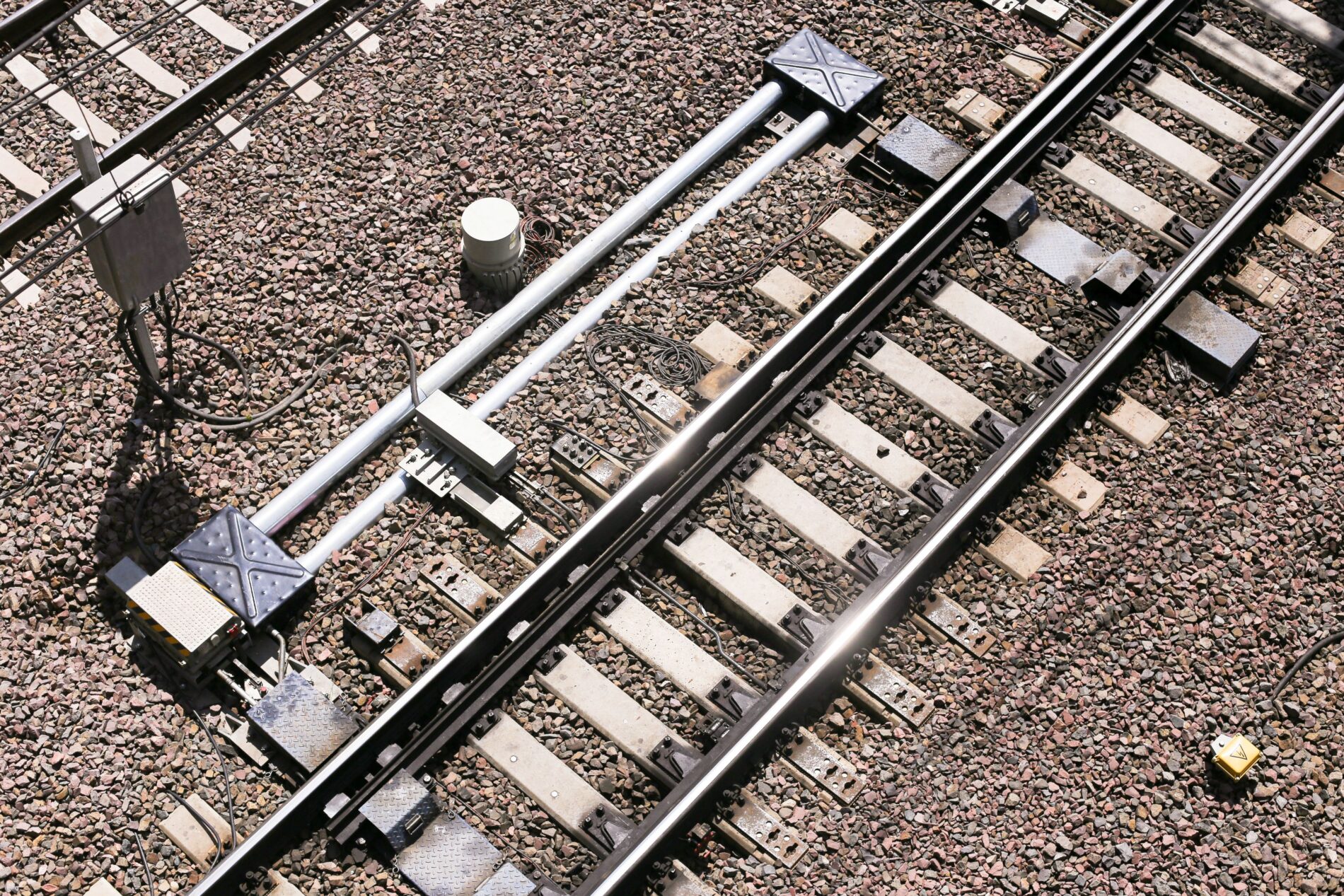
Image: Shutterstock.
The claim of responsibility appeared the following morning on the left-wing platform Indymedia. In it, “Kommando Angry Birds” describes the use of two incendiary devices featuring timers and barbecue lighters. Security sources consider the statement authentic, while the police continue to officially verify its genuineness. North Rhine-Westphalia’s Interior Minister Herbert Reul also stated that the group’s responsibility for at least one of the crime scenes is considered “relatively certain.”
Left-wing extremists remain unidentified despite claim of responsibility
State security authorities are investigating the statement and potential links to earlier attacks. However, as of July 15, authorities had not named any suspects or reported any searches, arrests, or arrest warrants. The domestic intelligence agency views “Kommando Angry Birds” more as a label for actions than as a formal organization. This decentralized structure makes it difficult to identify individual perpetrators or gather evidence that would stand up in court.
The group has previously claimed responsibility for several attacks on railway and energy infrastructure in the Rhineland. In January 2025, a railway cable burned near Düsseldorf, while the main Düsseldorf-Duisburg line suffered disruptions for days in July 2025. In early 2026, the group also claimed responsibility for a failed attack on an electrical substation in Erkrath. Investigators are therefore examining whether there are connections between these incidents and the sabotage near Leverkusen.
Railway line repaired; infrastructure remains easily accessible
Following the attack, railway crews worked around the clock to repair the damaged cables. The section was reopened shortly after 7 p.m. on Saturday, allowing trains to run without restrictions thereafter. However, during the closure, travelers faced cancellations, rerouting, and longer journey times. Additional disruptions—involving a bridge in Opladen and overhead lines near Wuppertal—further strained the regional network.
Nevertheless, fully protecting every cable duct is virtually impossible. Germany’s rail network spans tens of thousands of kilometers, with many technical installations located outside secure areas. There, left-wing extremists can cause significant damage and widespread train cancellations using simple incendiary devices. Infrastructure expert Manuel Atug therefore calls for robust emergency management alongside protective technology. Rapid-response repair teams can limit the impact, even if they cannot entirely prevent targeted sabotage.
Author: Blackout News
Sources: Stern (14.07.26) – Railmarket (13.07.26) – WDR (11.07.26) – Deutsche Bahn (11.07.26) – Polizei Nordrhein-Westfalen (11.07.26)