
Siemens subsidiary Evosoft is reportedly set to cease operations. According to media reports, 377 jobs in Nuremberg and Erlangen are affected. This development impacts a region where Siemens is already restructuring several of its divisions. The decision appears not to be driven solely by current market conditions; new internal corporate rules regarding contract allocation may also be a decisive factor. (nn: 20.05.26)
Siemens Subsidiary Evosoft Set to Cease Operations
According to the Nürnberger Nachrichten, 377 jobs are expected to be cut at the software and IT service provider. The Fränkischer Tag also reports on the planned workforce reductions in Nuremberg and Erlangen. As of yet, no separate, detailed statement from Siemens regarding the complete closure has been made publicly available.
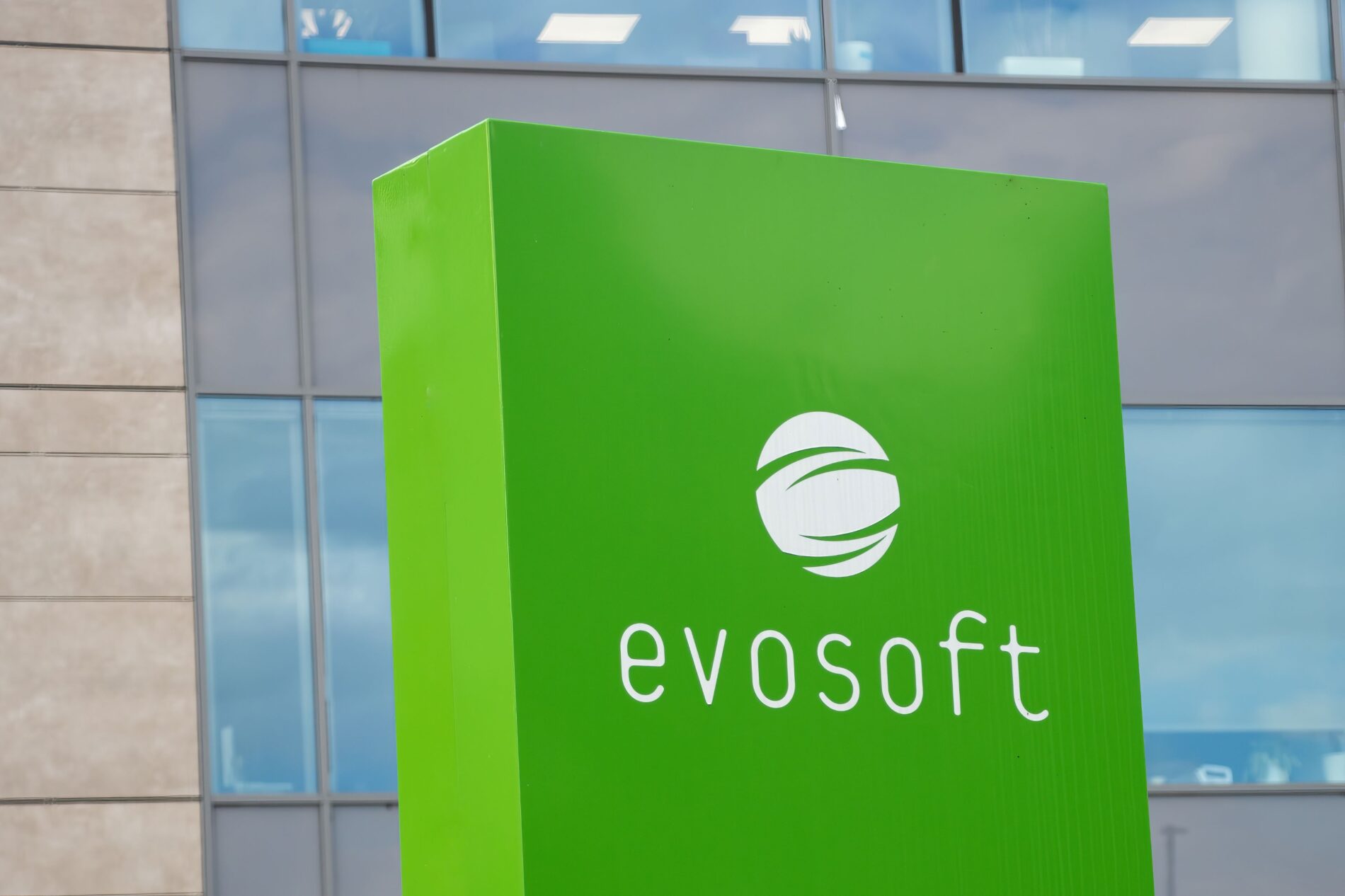
The company is wholly owned by Siemens. It develops software, IT, and automation solutions for industrial applications. These include—among others—cloud projects, cybersecurity, system integration, SAP applications, and digitalization solutions for the industrial sector.
New Contracting Rules Come into Focus
The cited trigger for this move is particularly sensitive. According to media reports, the decision is linked to new rules regarding internal contracting within Siemens. Consequently, the issue at hand is apparently not solely a matter of weaker demand. Also looming is the question of what role in-house service providers will continue to play within the corporate group in the future.
Evosoft was closely integrated into the Siemens ecosystem. If internal contracts are distributed differently, bundled, or awarded to other units in the future, this could fundamentally alter the operational basis of such a service provider. It remains publicly unclear exactly which tasks will be relocated—and where—in the future.
Job Cuts Hit the Siemens Region of Nuremberg-Erlangen
This development coincides with a phase in which Siemens is already restructuring its industrial automation business. The Group had previously announced significant cutbacks within its Digital Industries division. For this reason, among others, this situation in the Franconia region carries particular weight.
For decades, Nuremberg and Erlangen have ranked among Siemens’ most important locations in Germany. A large workforce is employed there across the industrial, automation, and software sectors. The potential elimination of 377 jobs therefore affects not merely a single company; it also impacts the region’s industrial expertise.
Many Details Remain Unresolved
It is not yet definitively known whether individual employees will be able to transfer to other Siemens units. Questions also remain regarding potential severance packages, transfer solutions, or social plans. The same applies to the future of ongoing projects and specific client relationships.
Furthermore, it remains unclear what impact this decision will have on other locations. Reporting to date has focused primarily on Nuremberg and Erlangen. Based on currently available public information, it is not yet possible to reliably assess the status of other locations outside the Franconia region.
Why This Case Matters Beyond Franconia
This situation carries significant symbolic weight because it involves a software and IT service provider—precisely the kind of sector widely regarded within the industry as a key “field of the future.” For years, Siemens has championed digitalization, automation, and software as central pillars of its growth strategy.
The fact that a wholly owned corporate software subsidiary is now coming under pressure underscores the sheer scope of the ongoing restructuring. Siemens is evidently scrutinizing not only traditional production and administrative structures; internal software services and service-provider models are also now firmly in its crosshairs.
Siemens Faces Pressure to Provide Answers
For the affected employees, what matters most now is the concrete offers the corporation puts on the table. Clear information regarding timelines, transfer opportunities, and social compensation measures is crucial. Without such assurances, uncertainty within the region will only continue to grow.
For Siemens, this is a delicate situation. The corporation must explain why a service provider specializing in digitalization—of all things—should no longer have a future. Consequently, the Evosoft case highlights a broader question: How much industrial software expertise does Siemens intend to retain within its own corporate structures going forward?