
In Germany, the transformation of the steel industry has stalled because “green steel”—despite planned investments amounting to billions—is finding few customers willing to pay for it. Major steelworks in Duisburg, Bremen, Eisenhüttenstadt, Salzgitter, and the Saarland are affected. The situation is driven by high electricity costs, expensive hydrogen, and weak demand from key industrial sectors. At the same time, cheap imports from Asia are intensifying competition. Consequently, funding projects, industrial jobs, and the steel sector’s climate targets are all at risk. (tagesschau: 19.05.26)
Green Steel Needs Buyers, Not Just Subsidies
German steel manufacturers intend to fundamentally restructure their production. Furthermore, the use of hydrogen, direct reduction, and electric arc furnaces is intended to reduce reliance on coal. While this technology lowers CO₂ emissions, it comes at a very high cost.
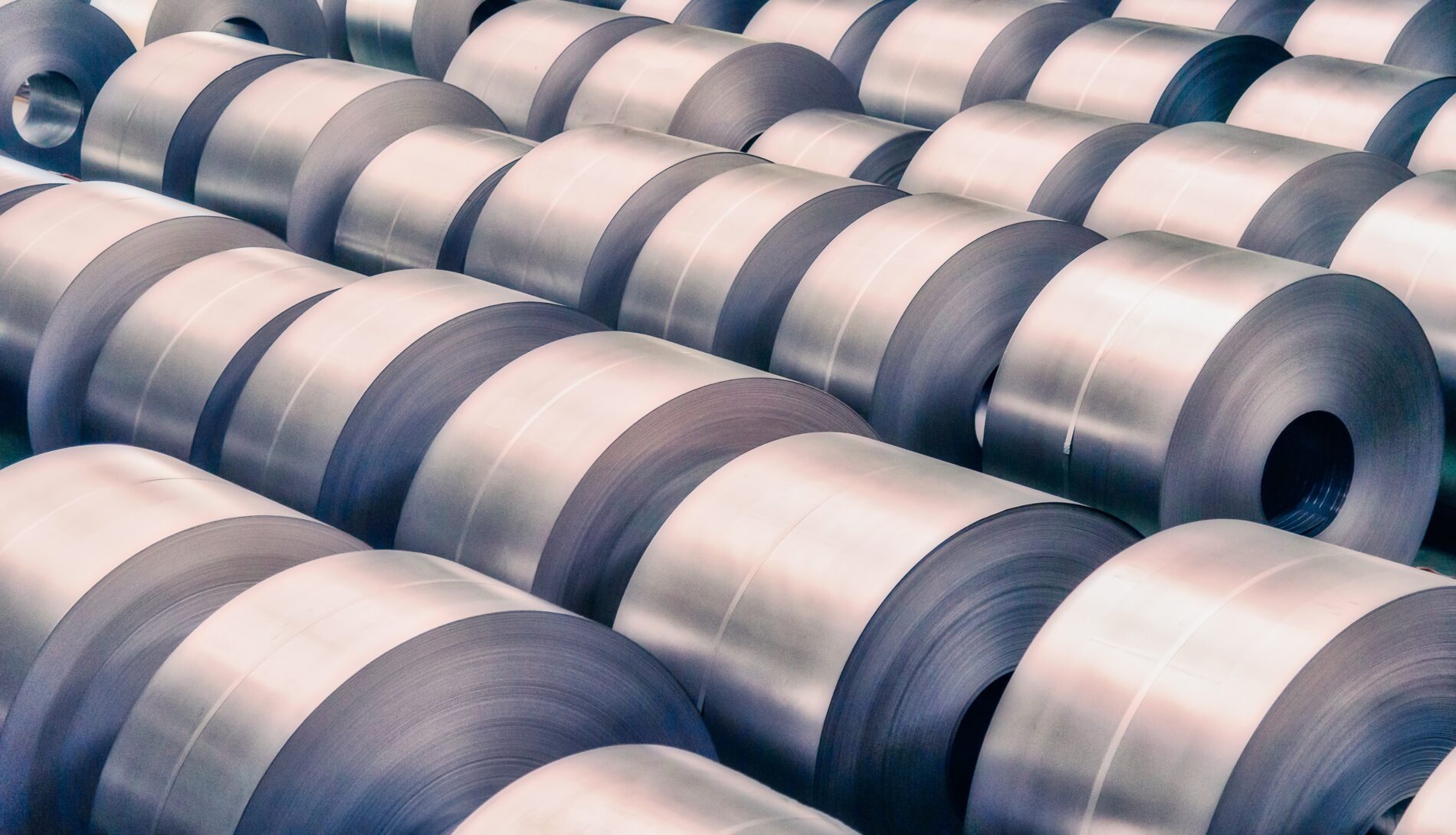
Many customers talk about climate-friendly supply chains. Yet, they continue—for the most part—to order the cheapest steel available. Consequently, corporations lack the certainty needed to invest in new facilities.
Energy Prices Slow Down the Steel Transition
Green steel remains particularly expensive because the new production processes require vast amounts of electricity. Furthermore, affordable hydrogen is not available in sufficient quantities. As a result, planned investments are being postponed or are losing their economic viability.
The sluggish economy is further exacerbating the situation. The automotive, mechanical engineering, and construction sectors are purchasing less steel. While demand is declining, the requirements for climate-friendly production are on the rise.
ArcelorMittal Halts Key Projects
ArcelorMittal has put its plans for Bremen and Eisenhüttenstadt on hold. Furthermore, the group is foregoing approximately 1.3 billion euros in government funding. This move underscores just how uncertain the market for climate-friendly steel currently remains.
Other manufacturers are also scrutinizing their projects more closely. They are calling for reliable electricity prices, faster development of hydrogen networks, and guaranteed demand. Consequently, the role of the state is moving increasingly to the forefront.
Lead Markets Could Bring the Breakthrough
Public procurement contracts could accelerate the market entry of green steel. Bridges, railway tracks, power grids, and buildings all require vast quantities of steel. Moreover, clear regulatory guidelines would provide steelworks with greater planning certainty.
Without such lead markets, the industry’s transformation remains a risky undertaking. Germany aims to produce climate-friendly basic materials; however, many customers continue to prioritize price above all else. Thus, the future of the steel industry’s transition will be determined not only within the steelworks themselves, but also by buyers and policymakers.