
Berlin, August 2026. As the number of electric cars rises, the state stands to lose long-term revenue from fuel and vehicle taxes. Consequently, the prospect of an electric vehicle tax based on kilometers driven or charging electricity consumed is gaining traction internationally. However, no such additional levy has been adopted in Germany. At the same time, battery-electric vehicles accounted for 29.3 percent of new passenger car registrations in July. Furthermore, the federal government extended the vehicle tax exemption for electric cars until the end of 2035 at the latest. In contrast, other countries are already responding with new levies that could cost drivers several hundred euros annually.
Electric vehicle tax intended to replace declining revenue from petrol and diesel
German vehicle tax alone generated around €9.6 billion for the federal government in 2025. In addition, energy taxes on various fuel sources brought in just under €37.6 billion. However, a significant portion of this revenue remains tied to petrol and diesel. Consequently, this revenue base is shrinking as more and more internal combustion engine vehicles disappear from the fleet.
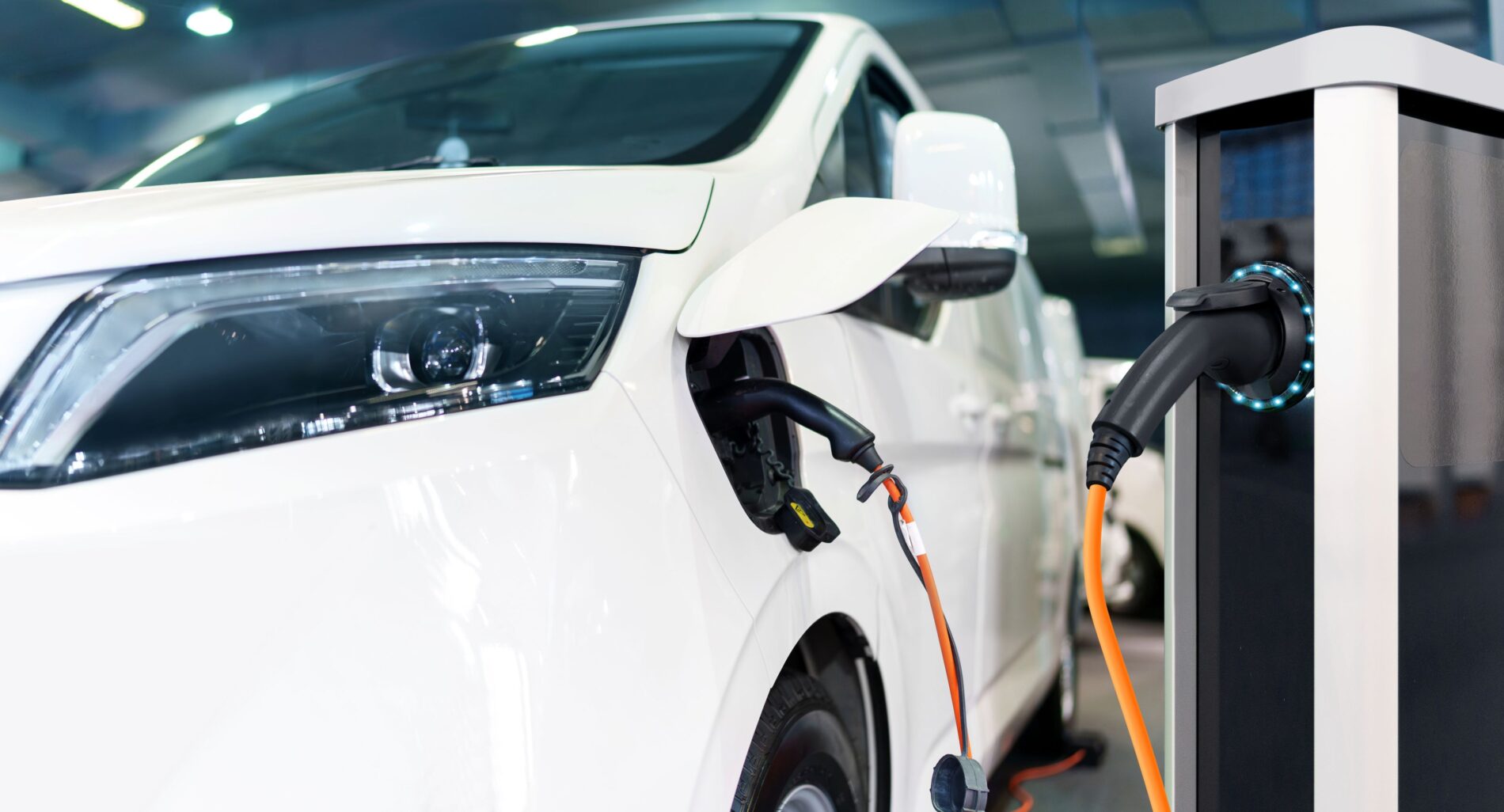
Image: Shutterstock
In contrast, electric cars generate significantly less tax revenue linked to driving. Furthermore, Germany waives the vehicle tax entirely for many such vehicles. Purely electric cars registered for the first time before the end of 2030 qualify for an exemption lasting up to ten years; however, this benefit expires no later than December 31, 2035. The federal government estimates that the relief provided by this regulation alone will amount to as much as 370 million euros in 2030.
Great Britain to charge per kilometer starting in 2028
Great Britain has therefore already made a concrete decision. Starting April 1, 2028, drivers of purely electric cars will pay three pence for every mile driven. Plug-in hybrids will incur an additional charge of 1.5 pence per mile. In addition, the standard British vehicle tax will remain in effect. For an annual mileage of 8,000 miles, this results in approximately 240 pounds of additional cost for a purely electric car.
Switzerland is also working on a replacement for declining fuel tax revenues, with two models currently under consideration. The mileage-based approach envisages an average charge of 5.4 centimes per kilometer for passenger cars. Alternatively, the state could tax electricity used for charging at a rate of 22.8 centimes per kilowatt-hour. This tax is intended to cover electricity from private charging stations as well. However, implementing this requires a constitutional amendment in Switzerland, and thus a national referendum. The launch is scheduled for 2030 at the earliest.
Models for per-kilometer charges exist in Germany, too
Germany has not yet adopted a corresponding additional tax. Nevertheless, proposals for usage-based road transport funding have existed for years. The Transport Ministry’s scientific advisory board has already examined various models, and the Federal Environment Agency and Agora Verkehrswende have also looked into per-kilometer charges. Depending on the specific concept, the projected rates range from 5.4 to 6.5 cents per kilometer. Based on an annual driving distance of 10,000 kilometers, this would result in an annual tax burden of 540 to 650 euros for electric vehicles.
A levy on electricity used for charging, by contrast, would face a fundamental tracking issue, as drivers can charge their cars using electricity from their own photovoltaic systems. Switzerland intends to include even this privately generated charging electricity in its model. A per-kilometer charge, however, tracks usage regardless of the power source. Consequently, Great Britain plans to base its future system on odometer readings and estimated annual mileage. For German drivers, the key takeaway is that while no concrete implementation has been decided yet, other countries are already establishing the technical and fiscal precedents.
Author: Blackout News
Sources: Focus (25.08.26) – ADAC (10.08.26) – GOV UK (13.07.26) – Bundesamt für Strassen ASTRA (Stand: 26.08.26)