
On August 24, 2026, Norwegian Energy Minister Terje Aasland dismissed his country’s former role as “Europe’s green battery.” While Norway’s hydropower could support Europe’s fluctuating wind and solar output, it could not balance the entire electricity market; Aasland therefore described the concept as a “flawed idea.” At the same time, the government does not intend to build new cross-border power interconnectors, as such links have exposed Norway more heavily to European price volatility. Instead, Europe needs to ensure a greater supply of stable power generation, while Norway aims to continue cooperating closely with its neighbors.
Hydropower cannot replace missing power plants in Europe
Norway does possess exceptionally large water storage capacities. According to current data from the energy authority NVE, total storage capacity stands at around 87.4 terawatt-hours. However, as of August 26, the reservoirs were only 63.9 percent full.
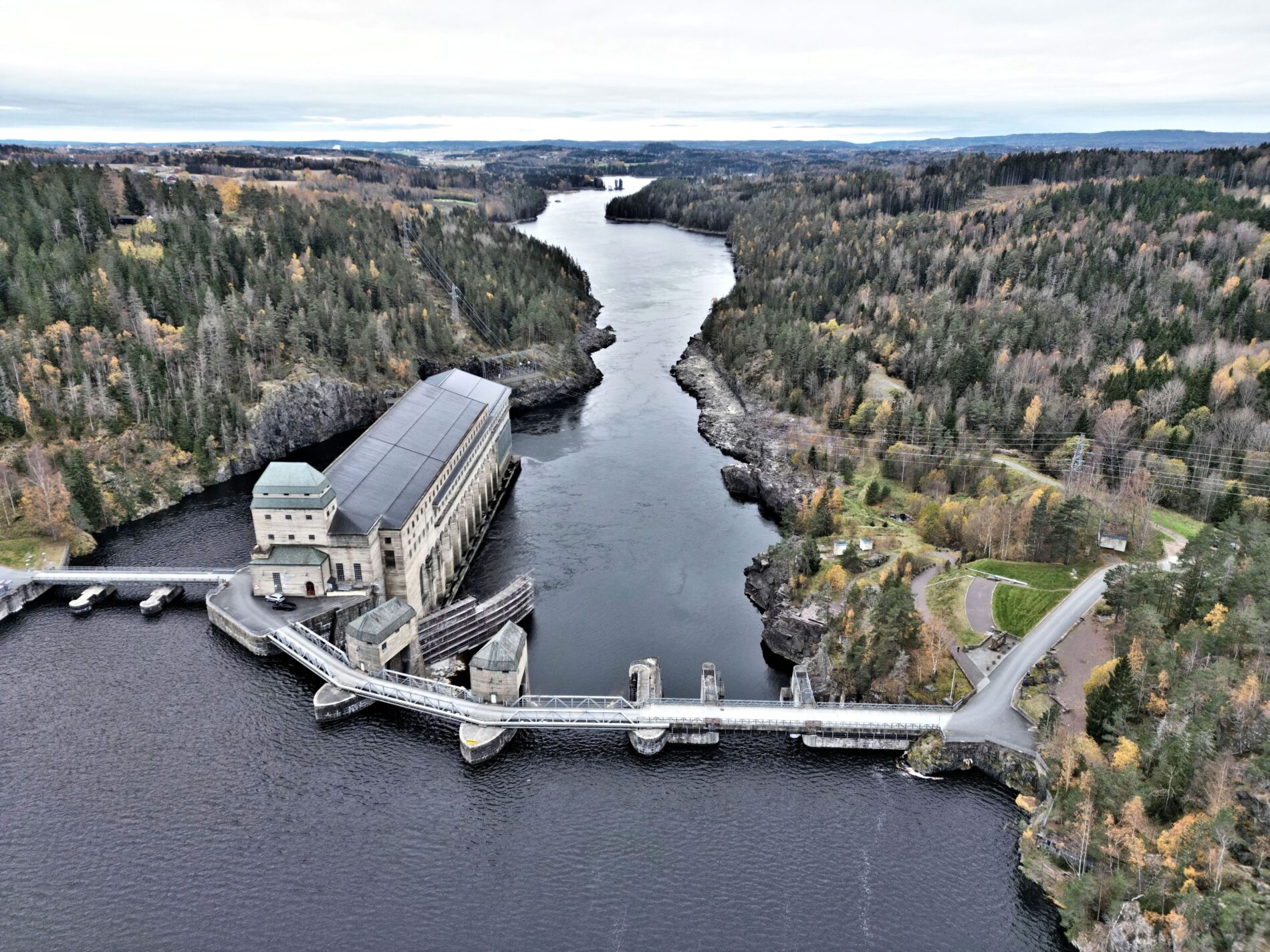
Image: Shutterstock
Moreover, not all hydroelectric power is available for export. Reservoir levels primarily secure Norway’s own supply and depend on precipitation and snowmelt. Furthermore, Norway itself requires more electricity for industry, new consumers, and continued electrification. As recently as August, Aasland stated that additional generation capacity and new grid infrastructure are crucial for jobs and competitive electricity prices.
Record surplus also highlights the system’s limits
In 2025, Norway produced a total of 161.9 terawatt-hours of electricity, while consumption stood at 139.2 terawatt-hours. This resulted in a surplus of 22.7 terawatt-hours—the highest Norway has ever recorded.
However, this surplus is insufficient to permanently offset Europe’s shortfall in dispatchable power generation capacity. Additionally, existing transmission lines limit the volume of electricity that can be transported. For instance, Germany is connected to Norway via the NordLink cable, which has a maximum transmission capacity of around 1,400 megawatts. Consequently, while an interconnected grid can distribute existing energy, it cannot create additional generation capacity.
New power cables have made Norway more dependent on European prices
Aasland now views this increased interconnection more critically. The concept of Norway serving as a “battery” for Europe encouraged the construction of new transmission lines to Germany and Great Britain. At the same time, however, this exposed the Norwegian electricity market more directly to European price fluctuations. Consequently, the government opposes the construction of further interconnectors.
Price differentials between Norway and its neighbors remain economically significant. Statnett has generated substantial congestion income from cross-border electricity trading—amounting to 53.4 million euros from the NordLink connection with Germany alone by July 2026. Yet, such revenues also demonstrate that electricity is being traded between different price zones.
Europe needs to restore its own stable power generation capacity
Aasland’s call is therefore directed squarely at European nations: they must strengthen their stable power supplies once again. Reuters points to the decommissioning of coal and nuclear power plants and a lack of investment in new gas-fired power stations. In Aasland’s view, increasing dispatchable generation capacity could lower prices and facilitate more balanced electricity flows between countries.
Norway’s hydropower thus remains a vital component of the European electricity system, though it cannot replace domestic generation capacity. Europe can source electricity from Norway during periods of scarcity, while Norway also imports power at times. Aasland therefore remains committed to interconnection but rejects the earlier vision of Norway acting as a massive storage reservoir for Europe. His conclusion: “The future lies in a very strong and integrated system.”
Author: Blackout News
Sources: Reuters (24.08.26) – Regjeringen.no (10.08.26) – Satnett (10.06.26) – NVE (26.08.26)