
In New York, lithium-ion batteries have already caused more than 400 fires in 2026. As of November 6, the city had recorded 406 battery-related fires, 70 injuries, and nine fatalities. On October 28, four family members died in a high-rise building in the Bronx after an e-bike battery caught fire inside an apartment, blocking the escape route. Public charging stations are in short supply; consequently, many riders continue to charge their batteries in their apartments—a practice that can put other residents at risk of fire.
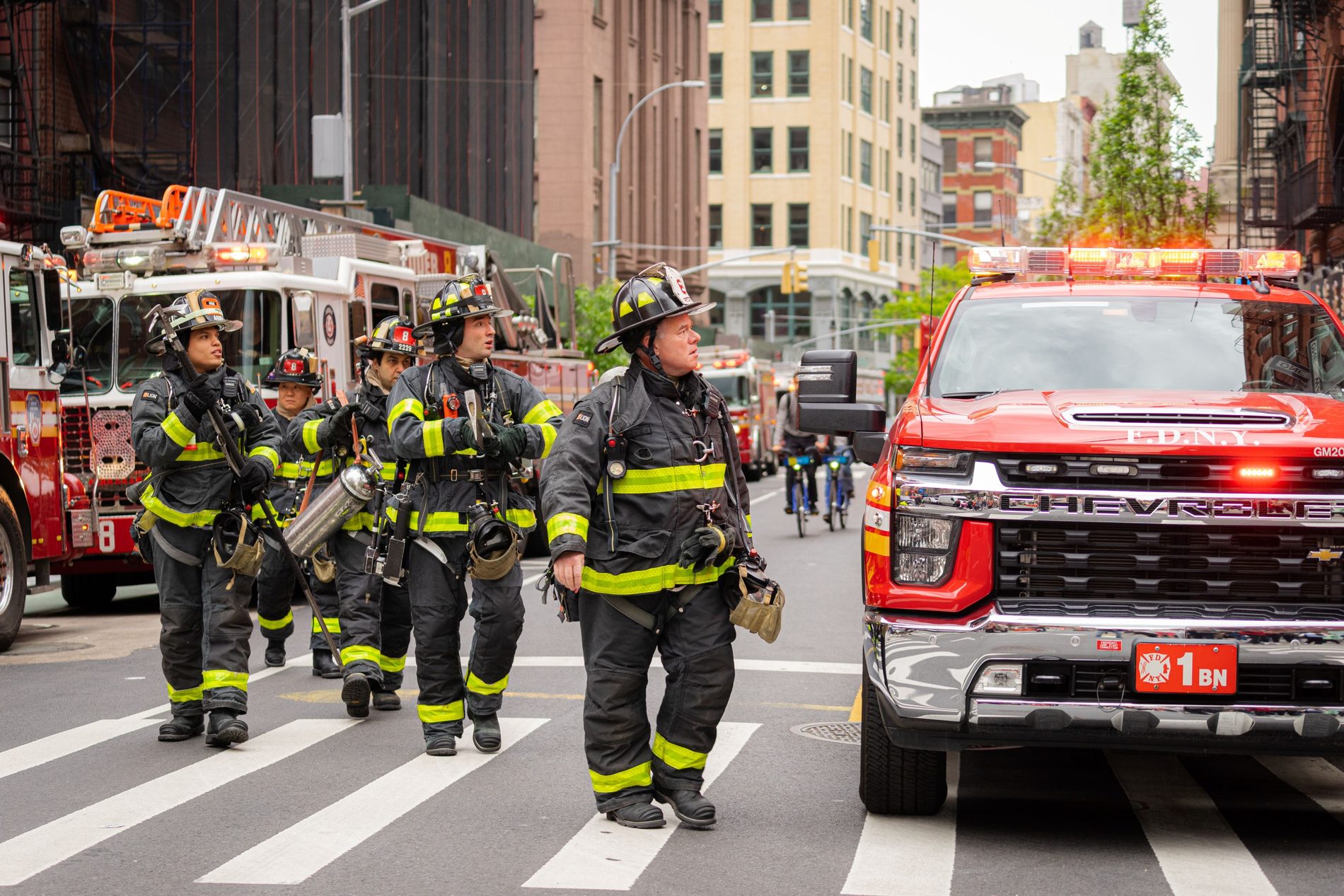
Image: Shutterstock
Battery fires on the rise despite safety regulations
The number of battery-related fires is increasing significantly in New York. Throughout 2025, the fire department recorded 292 such incidents, resulting in 51 injuries and one fatality. By early November 2026, the number of fires had already well surpassed the total for the previous year—an increase of approximately 68 percent compared to the same period in 2025.
More recent reports now indicate 83 injuries and twelve deaths linked to this series of fires. However, the cause of one particularly severe blaze remains undetermined. On November 5, in Brooklyn, six people died and nine others were injured. Investigators discovered electric two-wheeled vehicles and batteries at the scene, but have not yet been able to confirm any specific battery as the cause of the fire.
Why Lithium-Ion Batteries Can Turn Apartments into Traps
The fire in the Bronx, by contrast, has been clearly accounted for. On October 28, a battery ignited in an eleventh-floor apartment. Among the four fatalities was an eleven-year-old boy. Because the e-bike was positioned near the exit, the family was unable to escape the rapidly spreading fire.
Lithium-ion batteries can overheat due to damage, short circuits, or the use of unsuitable chargers. In a process known as “thermal runaway,” a chain reaction causes additional battery cells to heat up. This is why some battery fires can escalate into major blazes within a matter of seconds. The fire department also warns of the dangers posed by toxic smoke and extreme heat.
Lack of Charging Stations Persists Despite Successful Pilot Program
For many delivery riders, e-bike batteries are essential, as they cover long distances every day. In the absence of adequate charging infrastructure, workers are often forced to charge their batteries at home. A municipal pilot program in New York, conducted in 2024, demonstrated that an alternative is possible: after approximately 12,100 battery swaps, the number of participants charging their batteries at home dropped by 35 percent.
Despite this outcome, the development of a public network is progressing slowly. The city initially plans to establish about 25 charging and battery-swapping stations, though these are not slated to become operational until 2028. Furthermore, in 2023, authorities announced plans for 173 charging and storage stations at public housing sites—none of which have been built to date. According to the city, the federal funding promised for these projects has not yet been disbursed.
Inspections Targeting Unsafe E-Bike Batteries Have Declined
Since 2023, New York has prohibited the sale of uncertified batteries for small electric vehicles. Nevertheless, cheap and untested lithium-ion batteries remain on the market. An analysis of official records also reveals a significant decline in inspections. In the first four months following the introduction of the regulations, the authorities took action against 105 retailers; in the entirety of 2025, that figure was only 46.
By early November 2026, 68 retailers had once again been subject to enforcement measures. However, even batteries that have passed safety checks must be charged and stored securely. In densely populated residential buildings, in particular, battery fires pose a risk to neighbors—even those who do not own an electric vehicle. In urban social housing alone, at least 53 such fires have been recorded since the charging regulations were relaxed in 2023.
City Considers Further Regulations – Safe Charging Locations Remain Crucial
On November 20, the city council will hold a special hearing to discuss fire safety and oversight. The agenda covers not only the sale of safe e-bike batteries but also their storage and the expansion of charging infrastructure. The fire department urges users never to leave lithium-ion batteries charging unattended or overnight. Furthermore, bicycles and batteries must not obstruct doors, stairwells, or other escape routes.
However, new sales regulations alone are insufficient if safe charging options are lacking. In New York, private companies are already operating battery-swapping stations, though they report facing lengthy permitting processes. The sluggish rollout of public charging stations means that many users continue to charge their batteries inside their homes—a practice where a battery fire could endanger people who have no connection to the devices themselves.
Author: Blackout News
Sources: The Guardian (14.11.2026) – Queens Daily Eagle (10.11.2026) – New York City Council (06.11.2026) – New Yorker Feuerwehr FDNY (31.10.2026)