
In late October 2026, the European Commission approved relaxed subsidy conditions for Thyssenkrupp’s steel project in Duisburg. As a result, the company is permitted to continue using natural gas—rather than hydrogen—for a longer period, despite having received a government commitment of up to two billion euros. This decision stems from significantly higher hydrogen costs, as well as a lack of available supply and the necessary pipeline infrastructure. At the same time, the start of operations has been pushed back from 2027 to 2029 due to technical planning issues. This development marks a further setback for the European hydrogen strategy, particularly regarding a key industrial project.
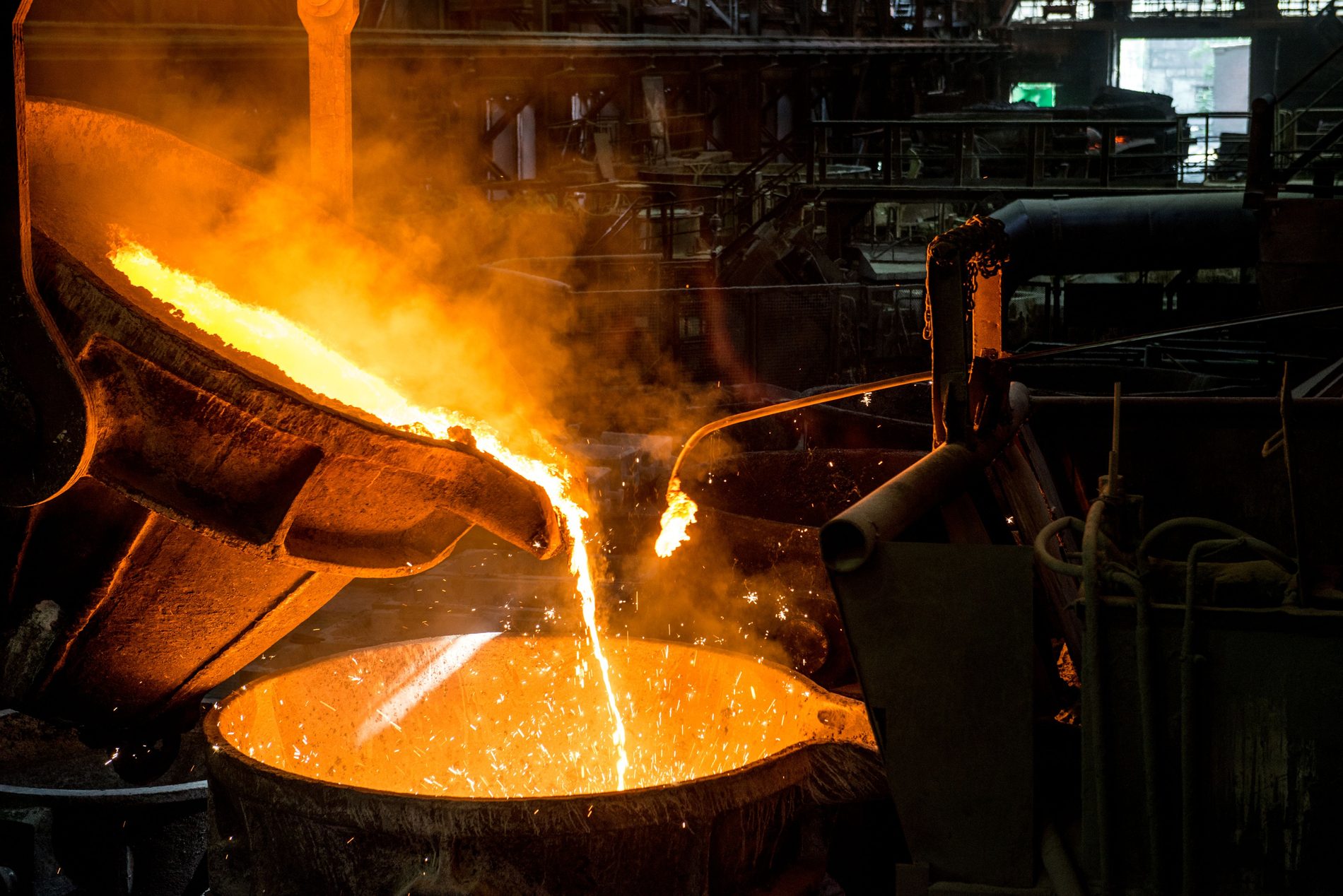
Image: Shutterstock
EU Adjusts Expectations for Hydrogen Strategy
This shift in direction extends beyond Thyssenkrupp, as Brussels is currently reviewing its entire hydrogen strategy. On October 26, the European Commission launched a consultation process for a revised strategy. In its documentation, the Commission acknowledges that the production and use of climate-friendly hydrogen are growing more slowly than anticipated. Furthermore, many projects are failing to reach the level of maturity required for investment.
Initially, the EU aimed to produce ten million tonnes of renewable hydrogen annually within the bloc by 2030, while importing an additional ten million tonnes. As early as 2024, the European Court of Auditors criticized the inadequate basis for these targets. The Commission is now once again seeking solutions to address high costs, weak demand, and a lack of infrastructure. However, it has not yet officially abandoned its hydrogen targets in their entirety.
Two Billion Euros in Subsidies – Hydrogen Remains Prohibitively Expensive
Thyssenkrupp has secured a subsidy commitment of up to two billion euros from the German federal government and the state of North Rhine-Westphalia for its direct-reduction plant in Duisburg. The total project cost is approximately three billion euros; however, the funding was originally intended to facilitate a rapid transition to hydrogen. After actual market prices outpaced initial projections, Brussels agreed to more flexible terms. Consequently, Thyssenkrupp is permitted to continue using natural gas for a longer period without forfeiting the entire subsidy package.
The economic reason for this can be quantified. In 2025, Thyssenkrupp halted a tender for 151,000 tonnes of hydrogen per year because the initial bids proved too costly. In early November 2026, the price-reporting agency S&P Global estimated the cost of a production route compliant with EU standards at 14.19 euros per kilogram—a market indicator rather than a firm offer price for Thyssenkrupp. A new tender has been announced, but specific quantities and timelines have yet to be defined.
Natural Gas Instead of Hydrogen – The EU’s Compromise
The new facility processes iron ore using natural gas, hydrogen, or a blend of both. It is designed to produce 2.5 million tonnes of direct-reduced iron annually. According to Thyssenkrupp, even operating solely on natural gas reduces CO2 emissions by more than half compared to the traditional blast-furnace method. Nevertheless, steel production using natural gas is not climate-neutral.
While natural gas was included in the original concept as a transitional solution, the duration of this phase has now been extended—a necessity given the current lack of affordable green hydrogen, sufficient production capacity, and import infrastructure. In doing so, the EU is aligning its requirements with economic reality rather than mandating an immediate shift to hydrogen. The hydrogen strategy remains dependent on a supply that the market has yet to provide at viable price points.
Thyssenkrupp delays launch – other steelmakers also slow down
Beyond the high cost of hydrogen, another challenge has emerged. Thyssenkrupp now intends to launch its facility in 2029 rather than 2027, citing difficulties primarily in technical planning. This construction delay is distinct from the recent easing of hydrogen-related requirements. Consequently, the anticipated cost savings in steel production will also be realized later than expected.
Other manufacturers are likewise adjusting their plans. In 2025, ArcelorMittal scrapped its hydrogen-based conversion projects in Bremen and Eisenhüttenstadt, thereby forfeiting approximately 1.3 billion euros in pledged subsidies. Salzgitter has postponed later phases of its transition by several years, while the initial phase remains underway. These examples demonstrate that subsidies alone guarantee neither affordable hydrogen nor competitive green steel.
Billions Won’t Change the Cost Equation
By relaxing its requirements, the EU is signaling that it can no longer enforce its original expectations for the hydrogen market. Nevertheless, public subsidies remain in place, even as the continued use of natural gas is extended. In effect, taxpayers are funding the conversion of industrial facilities—a transition to full hydrogen operation that is not yet economically viable. The fact that the technology is technically capable of running on hydrogen is no substitute for affordable supply contracts.
The European hydrogen strategy is therefore facing a fundamental test. While Brussels can adjust subsidy criteria and launch new programs, this does not automatically lower production costs. As long as hydrogen remains too expensive and natural gas continues to be the more economical choice, the planned transition of heavy industry will stall. The case of Thyssenkrupp illustrates just how far removed political planning has become from actual market conditions.
Author: Blackout News
Sources: Affärsvärlden (12.11.26) – Handelsblatt (06.11.26) – S&P Global Energy (05.11.26) – EU-Kommission (26.10.26)