
Ukraine plans a massive expansion of its nuclear power capacity in 2026, while the war with Russia continues to threaten the electricity supply. The government in Kyiv aims to significantly increase electricity production from nuclear power. This expansion is driven by destroyed power plants, high import costs, and grid congestion. At the same time, the risk of attacks on power plants and transmission lines remains high. However, millions of households and businesses could benefit from a more stable energy supply as a result of the nuclear expansion. (ntv: 24.04.26)
War makes nuclear energy a strategic pillar for Kyiv
The government is increasingly relying on nuclear power because many conventional power plants have been damaged. Therefore, nuclear energy is intended to fill supply gaps. It already provides a large portion of Ukraine’s electricity production.
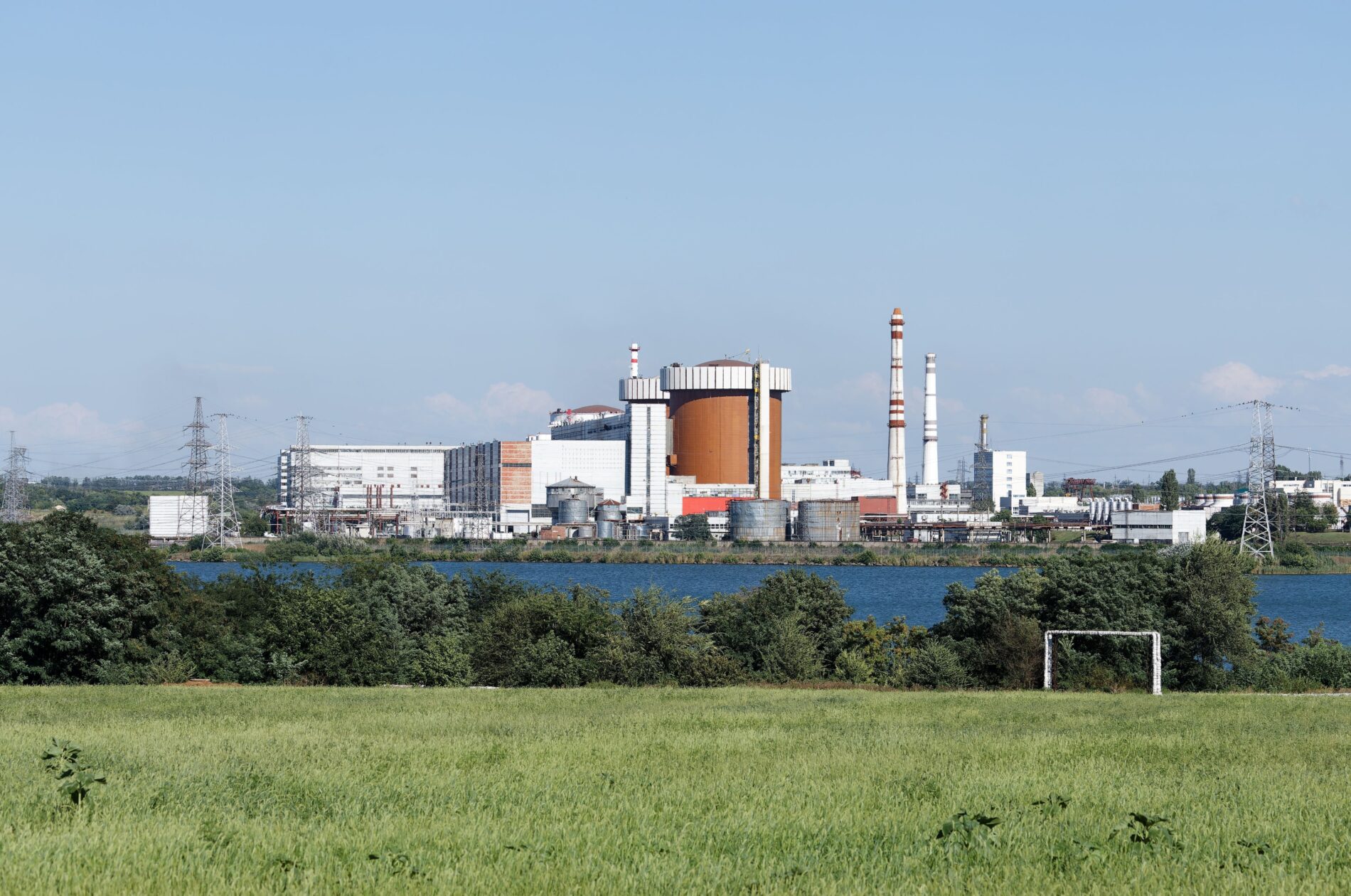
At the same time, Kyiv is planning new reactors and the modernization of existing plants. Nuclear power production is expected to roughly double in the long term. This will make Ukraine less dependent on electricity imports.
New reactors need partners and capital
However, implementation requires billions in investment. Therefore, Ukraine is seeking international partners for technology and financing. Western companies are expected to assist in the construction of new reactors.
However, the war is complicating financing. Investors are carefully scrutinizing safety risks. Furthermore, construction costs for large energy projects are rising worldwide.
Security risks remain critical
Nuclear power plants are among the most sensitive parts of the energy infrastructure. Attacks on facilities or grid connections could therefore have serious consequences. International observers also warn of risks in an active conflict zone.
Nevertheless, Kyiv is sticking to its course. Modern reactors are intended to meet higher safety standards. However, the war makes implementation particularly challenging politically, technically, and financially.