
The municipal hospital group “Gesundheit Nord” plans to cut 500 full-time positions in order to avert potential insolvency. At the same time, several hospitals are set to undergo fundamental restructuring. At the Klinikum Bremen-Ost, for instance, the emergency department and the intensive care unit face the prospect of closure. These restructuring plans are driven by rising costs, declining revenues, and a growing shift of medical treatments toward outpatient care. Management anticipates a deficit of approximately 20 million euros by 2026. The measures will affect thousands of employees and could significantly alter medical care in Bremen and the surrounding region in Lower Saxony.
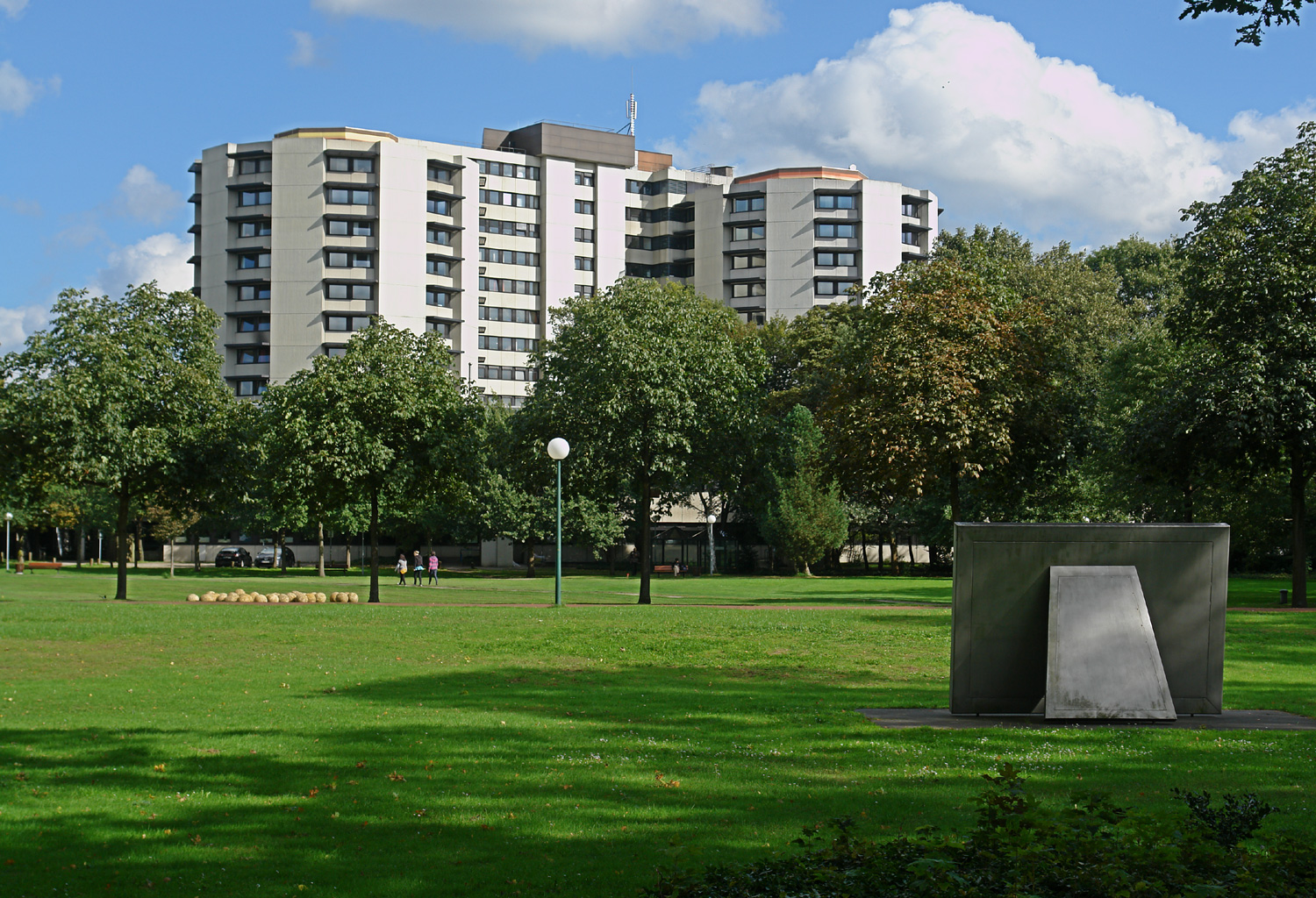
Image: Jürgen Howaldt, CC BY-SA 3.0 DE, via Wikimedia Commons

Hospital group plans major cuts to medical services
The changes at the Klinikum Bremen-Ost (Bremen-East Hospital) are particularly drastic. Management intends to focus the facility exclusively on psychiatry and forensic treatment. Consequently, departments including surgery, neurology, geriatrics, pulmonology, and dermatology are set to be relocated to other sites. The existing emergency department and intensive care unit are also slated for closure. In the future, patients with physical ailments will have to seek care at other hospitals.
Meanwhile, the Klinikum Bremen-Mitte (Bremen-Central Hospital) is set to expand its role as a central, comprehensive tertiary care facility. Under current plans, the Klinikum Bremen-Nord (Bremen-North Hospital) will continue to handle regional healthcare needs. For the Klinikum Links der Weser, the concept envisions a focus on outpatient services, complemented by a surgical center; its inpatient services are, in any case, scheduled to be transferred to the Bremen-Mitte site by the end of 2028. Through these measures, the hospital group “Gesundheit Nord” is consolidating its inpatient capacity across fewer locations.
Multi-million euro losses threaten the hospital network
The financial crisis, however, extends well beyond the current fiscal year. From 2027 onwards, management anticipates additional annual revenue shortfalls of approximately 40 million euros, resulting from the statutory health insurance system’s austerity measures. At the same time, the rising costs of medical supplies and increasing operational expenses are driving up the costs of day-to-day hospital care. It appears the hospital network can no longer offset these burdens through the cost-cutting measures employed to date. Consequently, the very economic survival of this municipal enterprise is now in question.
The scale is significant. “Gesundheit Nord” operates four major hospitals, comprising 58 specialized clinics and around 2,800 beds. More than 8,000 people work for the network, which provides inpatient care to nearly 100,000 patients annually. Furthermore, the facilities serve numerous patients from neighboring districts in Lower Saxony. A fundamental reorganization, therefore, affects not only Bremen but the healthcare provision for an entire region.
500 jobs at risk – layoffs cannot be ruled out
For the employees, the restructuring plan brings considerable uncertainty. The planned reduction of 500 full-time equivalent positions translates to several hundred actual jobs. It remains unclear whether management will be able to achieve all these savings through natural attrition, internal transfers, or the expiration of fixed-term contracts. Based on current information, compulsory redundancies cannot be ruled out. Moreover, those in charge must negotiate the specific implementation of these plans with employee representatives.
Resistance has already begun. On October 24, approximately 100 people demonstrated in front of the Bremen-Ost hospital against the planned reorganization. Meanwhile, the governing “red-green-red” coalition supports a more rigorous restructuring strategy in principle, though it intends to include the opposition in further deliberations. Health Senator Claudia Bernhard, together with Mayor Andreas Bovenschulte and Finance Senator Björn Fecker, is tasked with developing a viable financing arrangement.
Bremen Senate Must Decide on Funding
As the sole owner, the City of Bremen bears political responsibility for the hospital group. “Gesundheit Nord” has already required significant financial support in the past. Without additional funding, the current liquidity crunch could ultimately lead to insolvency. The Bremen Senate is scheduled to review the proposed plan on October 27. Consequently, no final decision has yet been made regarding specific job cuts or changes to hospital locations.
However, this financial restructuring comes at a further cost. If the emergency department, intensive care unit, and somatic specialty departments at the Bremen-East facility are indeed closed, patient care pathways will be permanently altered. Other hospitals would be required to admit additional patients and maintain the necessary capacity to accommodate them. Therefore, the critical issue is not merely the amount of savings to be achieved, but also the future accessibility of medical services. Bremen now faces the simultaneous challenge of preventing insolvency, reducing the workforce, and ensuring adequate hospital care.
Author: Blackout News
Sources: BibliomedManager (26.10.26) – Deutsches Ärzteblatt (26.10.26) – Kreiszeitung (26.10.26)