The German offshore industry faces the threat of massive job losses. On October 23, 2026, companies along the North Sea coast warned of significant gaps in orders starting in 2028. Failed wind farm tenders, rising construction costs, and high interest rates are putting numerous projects at risk. Despite ambitious government expansion targets, the sector lacks firm follow-up contracts. Suppliers in Lower Saxony and Mecklenburg-Western Pomerania are particularly affected. The industry association BWO estimates that up to 23,000 of the roughly 49,000 existing jobs are in jeopardy. Some companies have already begun cutting positions, while the federal government negotiates new subsidy and tender regulations.
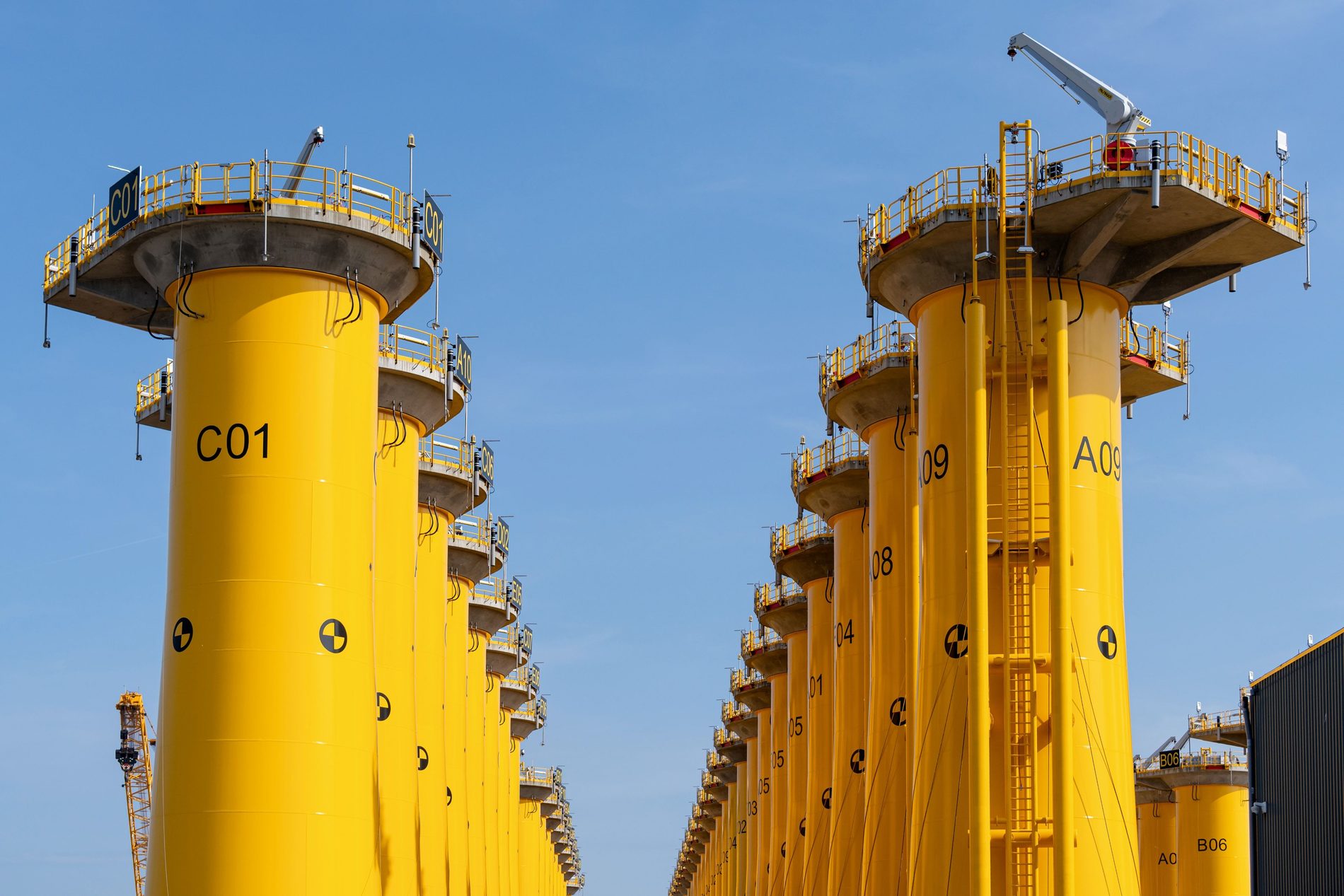
Image: Shutterstock
Offshore industry loses orders despite expansion targets
Germany aims to massively expand its offshore wind energy capacity, yet the underlying industrial base is increasingly at risk. Since June 2025, no offshore tender process has been successfully concluded. Meanwhile, projects that have already been awarded remain in limbo. Manufacturers, however, require firm orders years in advance to keep their facilities operating at an economically viable capacity.
This trend is particularly evident at Steelwind Nordenham in Lower Saxony, a company that produces massive steel foundations for offshore wind turbines. While orders—primarily from the UK—will sustain production levels through the end of 2027, Managing Director Korbinian Ott anticipates a significant downturn starting in 2028. Consequently, the crisis threatens the very production capacities that Germany needs to meet its long-term expansion goals.
Rostock-based supplier cuts 100 jobs
The situation at EEW Special Pipe Constructions in Rostock illustrates how quickly a lack of orders can translate into actual job losses. The manufacturer of steel foundations employs around 1,000 people at the site; however, in early October, the company announced plans to cut approximately 100 positions by the end of the year. Furthermore, management anticipates low capacity utilization through 2028.
Adding to the pressure, competition from China is further straining the economic position of German manufacturers. Chinese firms are offering steel foundations at highly competitive rates—a situation influenced, in part, by the tariff treatment of certain prefabricated steel products. Consequently, German plants are not only grappling with a shortage of projects but are also struggling to maintain their international competitiveness.
Multi-billion-euro projects lose their economic viability
The problems begin with the investors themselves. In 2023, oil majors such as BP and TotalEnergies secured offshore sites, committing to significant payments in the process. Since then, however, rising steel prices, higher financing costs, and shifting market conditions have severely undermined the original financial projections. Current regulations, meanwhile, do not allow for the easy return of these acquired sites.
This has created a costly stalemate: investors can simply defer projects that are no longer economically attractive, yet the sites remain tied up, preventing other interested parties from stepping in. At the same time, German manufacturers are losing valuable time in their search for new contracts. In short, political expansion targets have yet to generate reliable demand for the domestic industry.
German government urged to hedge investment risks
The German Offshore Wind Energy Association is therefore calling for a fundamental overhaul of the current tender system. It proposes the introduction of two-way “contracts for difference” (CfDs) to shield investors from the volatility of electricity prices. If the market price falls below the agreed reference price, operators receive a compensatory payment. If it rises above that level, they must remit any resulting excess revenue.
Such a mechanism would facilitate the financing of new offshore wind farms, though it could also lead to long-term state payment obligations. Consequently, setting realistic remuneration rates and ensuring a transparent allocation of risks are crucial. Furthermore, the industry is calling for a solution for projects that have already been awarded but are now economically at risk. The Bundestag is currently deliberating on amendments to the Offshore Wind Energy Act.
The industry faces a long-term loss of value creation
An industry study published in October highlights the economic implications. If the expansion continues to stall, approximately 21,000 full-time jobs could be lost by 2045. Furthermore, about 92,000 potential jobs—which would have been created had the expansion targets been met—would fail to materialize. The study estimates the potential cumulative loss in revenue by 2045 at more than 550 billion euros. It should be noted, however, that these figures represent a crisis scenario rather than losses that have already occurred.
For the German offshore industry, this reveals a stark contradiction between political planning and industrial reality. While Berlin is targeting a long-term offshore capacity of 70 gigawatts by 2045, manufacturers are already lacking firm follow-up orders. Moreover, the loss of specialized production facilities would be difficult to reverse. Without economically viable projects, Germany faces not only the loss of jobs but also an increasing dependence on foreign suppliers.
Author: Blackout News
Sources: NDR (23.10.26) – Taz (21.10.26) – BWO (15.10.26)