
In Australia, the debate over the expansion of wind power, solar parks, and new power lines intensified significantly on April 7, 2026. New calculations for New South Wales and Victoria have drastically increased the project’s costs. This is due to more reliable data from ongoing grid projects. At the same time, policymakers are sticking to their plan for a rapid transformation of the electricity system to support the energy transition. This will involve laying thousands of kilometers of power lines through rural areas. The greatest risk lies in the significantly underestimated construction and financing costs. Previous estimates of 8.5 billion Australian dollars for key transmission projects have now ballooned to between 120 and 215 billion dollars for the grid alone. An additional almost 160 billion dollars is needed for new wind and solar plants, including batteries. This increases the capital requirement to between 280 and 375 billion dollars. Financing over 35 years could drive the total burden to between 840 billion and over 1.1 trillion dollars. Households, businesses, the economy, and public funds would all be affected. Higher electricity prices and billions tied up in debt would restrict the country’s economic leeway for years to come. (nationalagricultureandrelatedindustriesday: 07.04.26)
Grid expansion and infrastructure are driving costs far higher than planned
The cost overrun is already evident in some major projects. The Renewable Energy Zone Central West Orana in western New South Wales was initially projected to cost $675 million. However, the official figure has now reached $5.5 billion, even though construction has only just begun. Project EnergyConnect is also sending a second warning signal, as its costs have risen from $2.3 billion to $4.1 billion. If this pattern continues, the massive grid expansion between and around Sydney and Melbourne is likely to become far more expensive than politically promised.
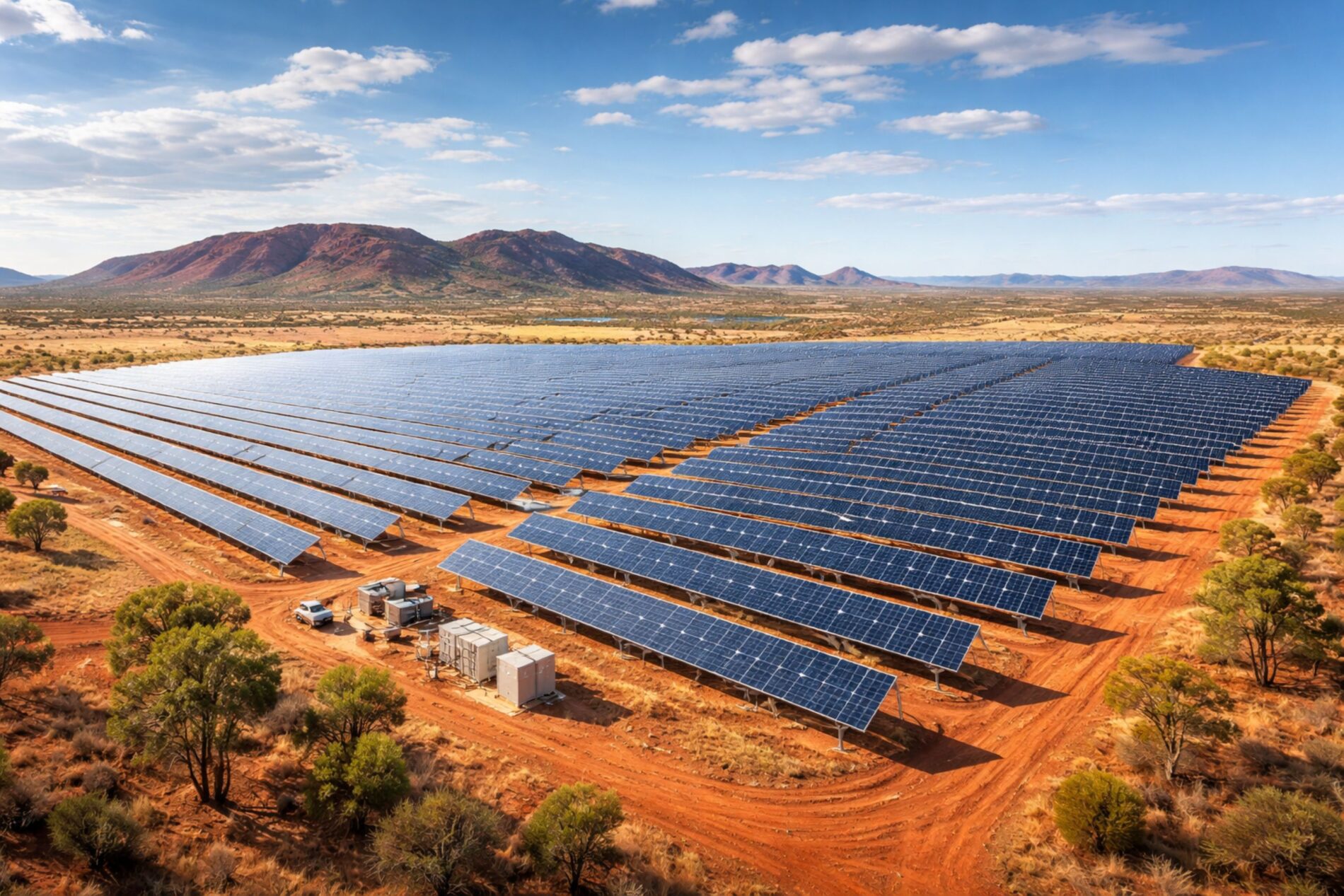
In addition, the new power plants significantly increase the cost of the conversion. The 60 gigawatts of wind and solar power planned for New South Wales and Victoria, including storage facilities, are estimated to cost almost $160 billion. Even this conservative estimate results in total costs of around $280 billion, while a more expensive transmission line option would cost as much as $375 billion. This is a warning sign for consumers, because ultimately, the project will not only have to be built, but also financed for decades.
Trillions in costs threaten to be passed on through loans and electricity prices
The real impact will come with the financing. For a 35-year term and a conservative interest rate of eight percent, interest costs will roughly double the original capital amount. $280 billion will thus become approximately $840 billion, while with higher grid costs, the figure could even exceed $1.1 trillion. The middle ground is therefore very close to a trillion-dollar burden on the entire system. These sums would not simply disappear into the background, but would instead be passed on to consumers and businesses through electricity bills and grid fees.
At the same time, resistance is growing in rural areas because the planned power lines are slated to cross valuable agricultural land. Farmers are therefore putting the brakes on projects locally, while according to these calculations, expenditures to date have remained limited to just over $10 billion. The government’s Future Fund is also coming under scrutiny because, according to the report, it already holds stakes in Transgrid and is thus indirectly involved in this multi-billion-dollar project. For Australia, therefore, it is not just about climate goals, but about a trillion-dollar question concerning location, supply and competitiveness.