
On the US Gulf Coast, oil exports are projected to reach approximately 5 million barrels per day in May 2026, following shipments that already hit around 4.9 million barrels per day in April, significantly exceeding the March level of approximately 3.97 million. This surge is driven by strong demand from Asia, where buyers are increasingly securing shipments from the Atlantic region to compensate for disruptions from the Middle East. This intensifies global competition for available oil, with the US becoming the primary alternative source. The key risk factor remains the fragile supply from traditional oil-producing regions, as any further disruption could immediately impact prices, transportation, and the supply to energy-intensive industries. (bloomberg: 09.04.26)
Oil exports become a lifeline for a nervous market
The jump is exceptionally large, but it didn’t come out of nowhere. Within just a few weeks, export levels rose from nearly 4 million to almost 5 million barrels per day. This shows how strained the market already is. As soon as deliveries from a key region break down, traders immediately turn to American barrels.
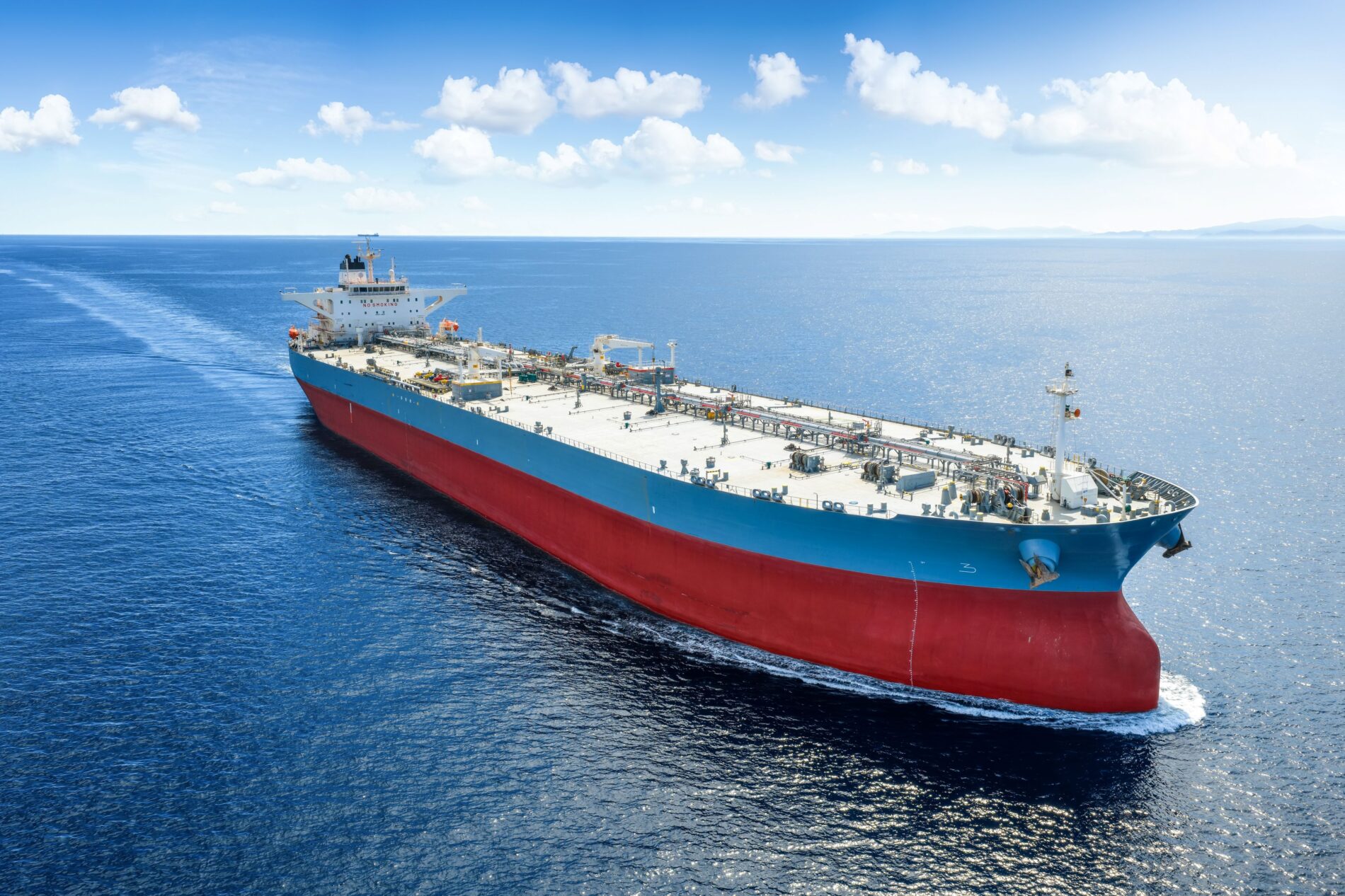
Asian buyers, in particular, are driving this movement at a rapid pace. They are securing additional volumes because the gap from the Middle East cannot simply be filled by other producers. As a result, American deliveries are suddenly gaining in importance. US oil exports are thus becoming not just a supplement, but an urgent emergency solution for entire trade flows.
Record volumes from the US won’t solve the oil crisis
Increased shipments from the US provide short-term relief, but they don’t address the underlying problem. The market remains tight because the additional supply only cushions the shortfalls elsewhere. Any new disruption could therefore trigger the next price surge. For refineries, transport companies, and industry, this means ever-increasing risks in procurement and planning.
The signal this sends to Europe and Asia is even more significant. Both regions are competing for the same cargoes, while sellers direct their barrels to where the need is greatest and margins are highest. This is precisely what intensifies price pressure and uncertainty. The record level of oil exports is therefore not a sign of easing tensions, but a warning signal for a global market that is reacting ever more harshly to disruptions.