
Berlin – By the summer of 2026, wind power lease rates in Germany are reaching upwards of €400,000 per turbine annually in some instances. Competition for scarce land is driving up these rates, benefiting state forestry agencies and other public landowners. These high costs are factored into project calculations and can place a burden on the federal budget through Renewable Energy Sources Act (EEG) subsidies. Consequently, on July 29, the federal cabinet approved a draft EEG amendment that caps usage fees. The measure affects project developers, municipal utilities, private landowners, local authorities, and state lessors.
Wind power lease payments rise from €100,000 to over €400,000
Ten years ago, €100,000 per turbine was considered an unusually high figure. Today, in some cases, wind power lease payments are more than four times that amount. Moreover, the lessors benefiting from these arrangements include not only farmers but also state forestry agencies and other public landowners.
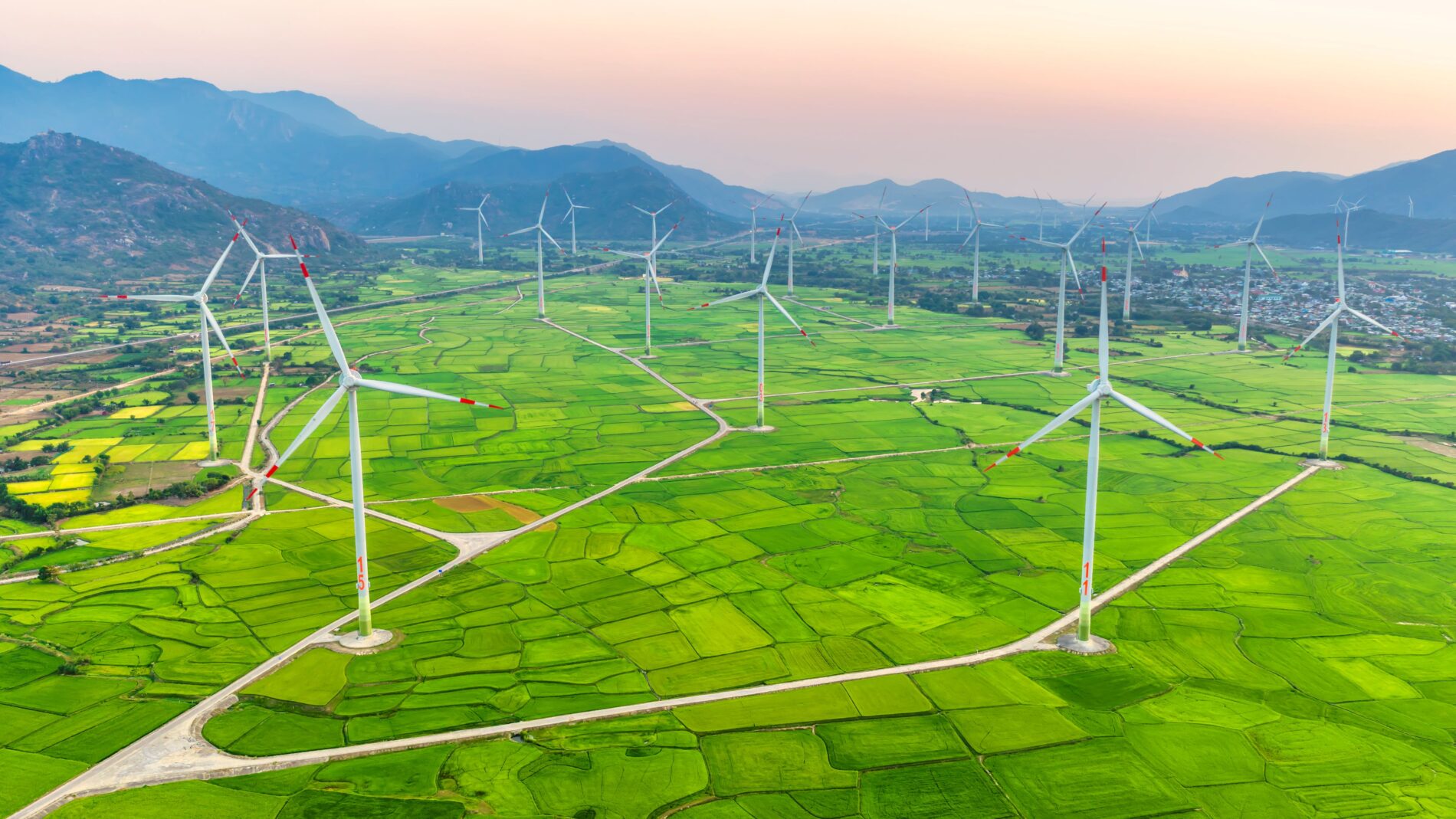
Image: Shutteerstock
The rise in prices was driven primarily by competition among multiple project developers for the same sites. Public landowners exacerbated this trend, as their tender processes often favor the highest lease offer. Furthermore, the politically mandated expansion of wind power is increasing the demand for suitable land. Consequently, municipal utilities that calculate costs conservatively may lose out when attempting to secure sites.
EEG subsidies turn land costs into a budgetary factor
Operators factor land lease costs into their bids for EEG auctions. If market revenue subsequently falls below the subsidized rate, the state covers the difference. The federal budget thus bears a portion of the cost risk; as a result, inflated land costs can drive up the level of public subsidies.
Despite high wind power lease rates, competition remained strong in the May 2026 auction. A total of 628 bids—representing an aggregate capacity of 6,409 megawatts—were submitted for a tendered volume of 2,495 megawatts. Consequently, the average awarded price dropped to 5.06 cents per kilowatt-hour. However, this figure merely reflects auction dynamics, as the economic viability of individual projects remains dependent on the specific site.
2.5% Lease Cap Divides Associations
The draft proposal sets a 2.5 percent cap for wind turbines subsidized under the Renewable Energy Sources Act (EEG). With this measure, the federal government aims to eliminate excessive usage fees from the subsidy calculations. The cap is also intended to limit the burden on the federal budget. However, the Bundestag may still modify these provisions during the legislative process.
Agricultural and forestry associations, however, oppose this intervention. They cite property rights, regional revenue generation, and public acceptance in rural areas. Proponents, on the other hand, view it as a safeguard against excessive costs within the EEG system. Parliament must therefore weigh subsidy costs against contractual freedom.
Author: Blackout News
Sources: Handelsblatt (31.07.26) – Bundesministerium für Wirtschaft und Energie (29.07.26) – Top Agrar (29.07.26)