
Germany – As of late July 2026, banks are tightening lending criteria for German automotive suppliers. Declining orders from automakers are coinciding with high costs for new powertrains, software, and modern production facilities. In a VDA survey of around 40 companies, 44 percent described their banks’ stance as restrictive, while another 22 percent reported outright refusals. Small and medium-sized enterprises with low margins and high debt levels are particularly at risk, facing the threat of liquidity problems, job cuts, and further insolvencies.
Automakers’ cost-cutting programs are affecting suppliers
Volkswagen, BMW, and Mercedes are cutting spending as sales and profits decline. Consequently, the manufacturers are ordering smaller quantities while simultaneously demanding lower prices. However, many suppliers are unable to reduce their own costs at the same pace.
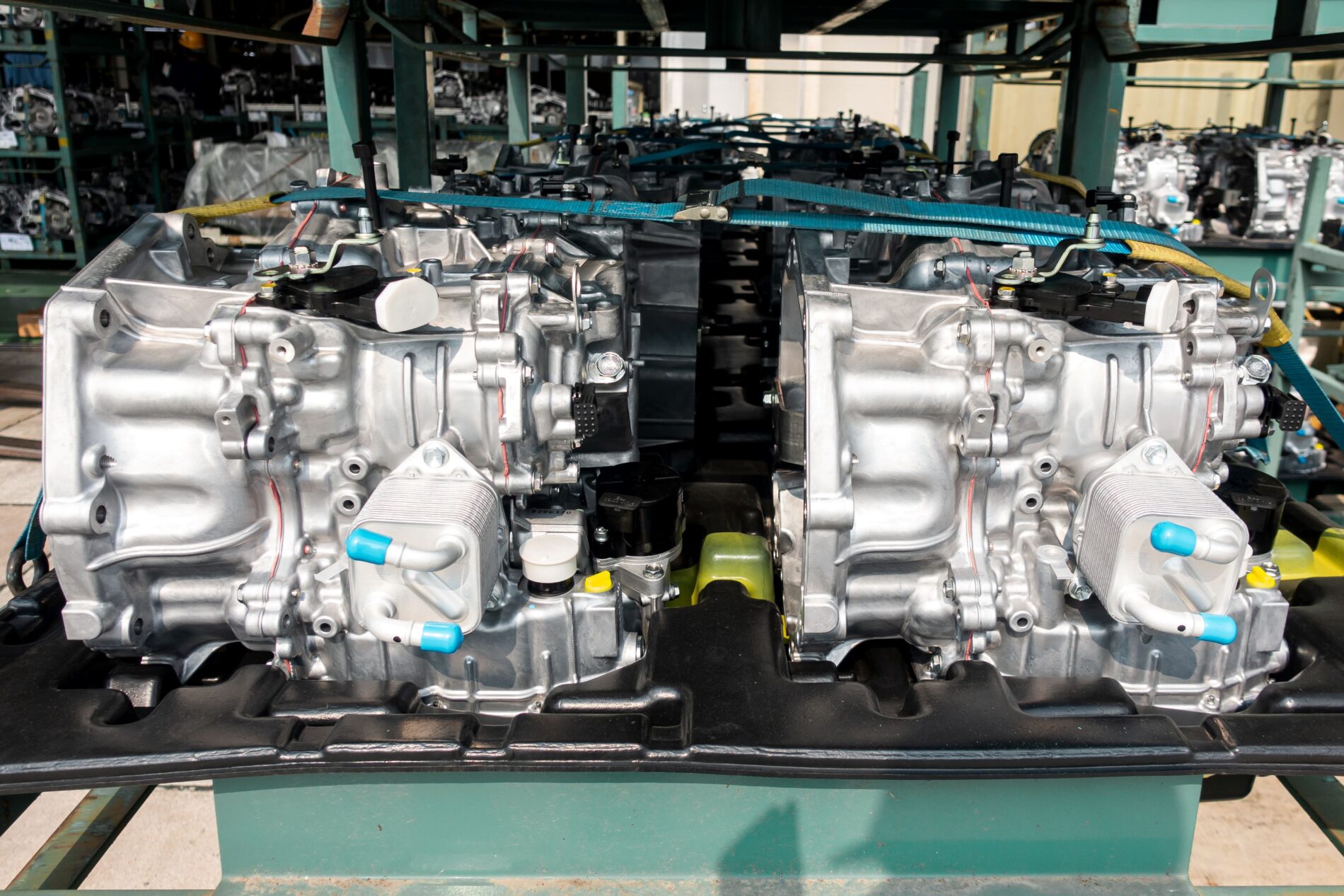
Image: Shutterstock
At the same time, companies must invest billions in electromobility, electronics, and automation. However, such expenditures can hardly be financed solely from current profits. Consequently, restrictive lending practices can delay—or entirely prevent—planned investments.
Lending Meets Shrinking Margins
According to a study by Berylls and AlixPartners, the 100 largest automotive suppliers generated combined revenues of approximately €1.085 trillion. However, their average operating margin fell to 5.2 percent. Simultaneously, the investment ratio dropped to its lowest level in at least eight years.
Furthermore, smaller firms are less likely to possess substantial reserves or a diversified customer base. As a result, sudden cuts in order call-offs quickly lead to rising inventory levels and a loss of revenue. Atradius executive Frank Schumacher describes the situation thus: “Suddenly, the warehouse is full, and the coffers are empty.”
Banks Scrutinize Debt and Business Models More Closely
When granting loans, banks pay particular attention to the ratio of debt to operating earnings. Yet, declining profits worsen this metric even if a company takes on no new debt. Consequently, financial institutions are increasingly demanding additional collateral, shorter loan terms, and detailed restructuring plans.
This stricter scrutiny hits suppliers heavily reliant on the internal combustion engine particularly hard. Yet, these are precisely the companies that require significant capital to transform their production processes. In contrast, growth areas such as power electronics, thermal management, and vehicle software improve the prospects of securing financing.
Insolvencies can impact entire supply chains
Falkensteg recorded eight major insolvencies in the German automotive sector during the first quarter of 2026. While there had been 16 such cases in the same quarter of the previous year, the total number of major corporate insolvencies remained well above the long-term average.
Large corporations are often better able to distribute the burden, as they operate across multiple business segments and serve international clients. Specialized medium-sized enterprises, however, generally lack this protection. Consequently, if key suppliers fail, vehicle manufacturers also face the risk of production interruptions and higher procurement costs.
Author: Blackout News
Sources: WirtschaftsWoche (31.07.26) – KfW Research (07.07.26) – Berylls by AlixPartners (Stand: 31.07.26)