
Ludwigshafen – Job cuts at BASF accelerated significantly in the first half of 2026. Since the beginning of 2024, the group has eliminated around 7,000 jobs worldwide. At the main plant alone, 300 to 350 full-time positions are currently being cut each month. Consequently, the workforce there fell below 30,000 in May for the first time since 1954. More jobs were lost in the first half of the year than in the previous two years combined. Nevertheless, the world’s largest integrated chemical complex continues to post losses. High energy costs, weak demand, and global overcapacity are weighing on the site.
Job cuts at BASF entail a one-off cost of €1.9 billion
According to the company, around two-thirds of the workforce reductions are taking place in Europe. However, BASF has not provided a precise breakdown by country or site. Ludwigshafen is clearly bearing a significant share of the cuts. The Executive Board also expects the current pace of reduction to continue for the time being. The job cuts at BASF are being implemented primarily through voluntary programs and early retirement schemes.
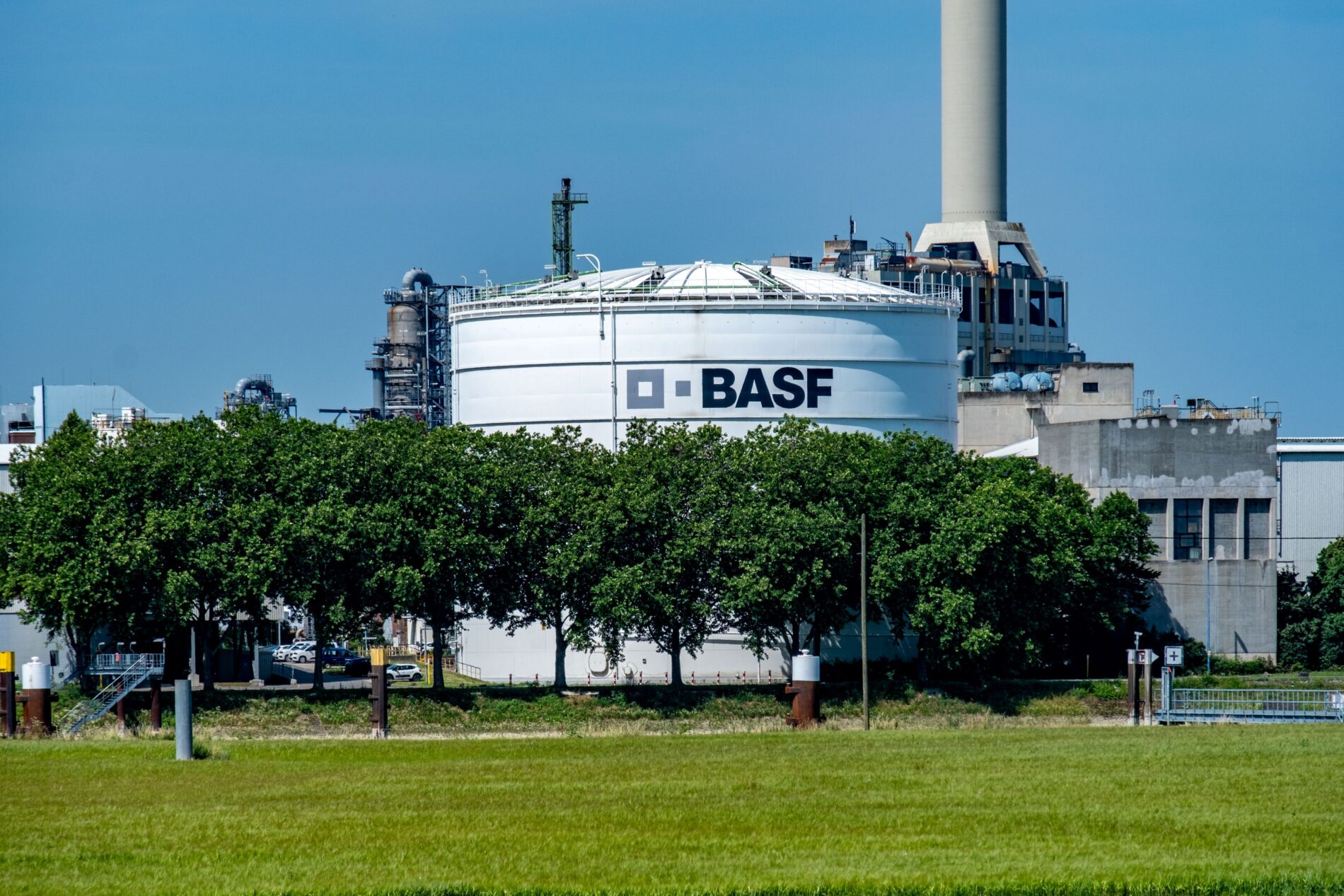
Image: Shutterstock
BASF aims to cut annual costs by €2.3 billion by the end of 2026. However, the company projects one-off expenses of around €1.9 billion to achieve this. A portion of these funds will go toward substantial severance packages and extended transition payments. According to the FAZ newspaper, long-serving employees could, in some cases, receive 70 percent of their salary until they reach the statutory retirement age. Nevertheless, the company’s management believes the program will pay off thanks to the savings realized later on.
BASF CEO calls for debate on job protection rules
The site agreement rules out compulsory redundancies in Ludwigshafen until the end of 2028. Consequently, BASF is relying on voluntary departures and socially responsible solutions. CEO Markus Kamieth pointed to the legal constraints involved, stating, “We cannot step outside those boundaries.” At the same time, he described restructuring in Germany as “extremely expensive”—costs that could place a heavy burden on companies, particularly younger ones, when making necessary adjustments.
Despite rising productivity, however, the main plant remains unprofitable. The share of highly competitive facilities has grown from 78 percent to 88 percent since 2024. This means that 12 percent of the more than 850 production units are still considered at risk; two years ago, that figure stood at over 20 percent. Job cuts at BASF are therefore accompanying plant modifications and potential closures. The company is continuously evaluating whether the remaining units can be made economically viable.
Tasks shifting from Germany to India
In addition, BASF is launching the “CoreShift” program, aimed at reducing fixed costs in its core business by up to 20 percent by 2029. To this end, the company plans to further standardize processes, research, services, and central functions. BASF is also relocating parts of its Berlin service hub to India. The further impact this will have on employment remains unclear for now.
At the same time, BASF is divesting businesses that fall outside its core chemical operations. These include automotive coatings, parts of the agrochemicals business, and the former oil and gas subsidiary Wintershall Dea. At the same time, the management board is evaluating new acquisitions. Acquisitions are currently considered more attractive than building large-scale facilities in-house; however, they must generate clear synergies with the core businesses. LyondellBasell and Sabic are also already offering major business units for sale.
Hormuz Crisis Boosts Sales and Chemical Prices
Nevertheless, sales rose by 16.4 percent to €17.2 billion in the second quarter. Adjusted EBITDA also climbed by just over 50 percent to €2.4 billion. The temporary blockage of the Strait of Hormuz restricted supplies from Asia; however, BASF maintained its ability to supply customers and successfully implemented price increases. Consequently, the group raised its full-year forecast to a range of €6.9 billion to €7.7 billion.
This relief is likely to be only temporary, however. Weak European demand and overcapacity in Asia persist. At the same time, extremely low water levels on the Rhine are complicating transport to Ludwigshafen. BASF is therefore utilizing specialized vessels as well as additional rail and road connections. Even so, the group does not rule out potential supply bottlenecks for specific products. As a result, site-related costs remain high, despite the recent rise in quarterly earnings and capacity utilization.
Author: Blackout News
Sources: BASF (29.07.26) – Frankfurter Allgemeine (29.07.26) – Reuters (29.07.26) – Tagesschau (29.07.26)