
Washington – An exceptionally strained operating situation arose on September 17, 2026, within the US power grid managed by the regional grid operator PJM Interconnection. PJM coordinates the electricity supply for approximately 67 million people across parts of 13 states and Washington, D.C. Unusually hot September weather coincided with scheduled transmission line maintenance and the unavailability of around 36,000 megawatts of power generation capacity. Consequently, the US Department of Energy issued an emergency order granting PJM additional powers to manage grid operations. The grid operator activated load management measures and kept additional generation and emergency reserves on standby. However, widespread power outages were avoided, and by the evening, the outlook for the following day had improved.
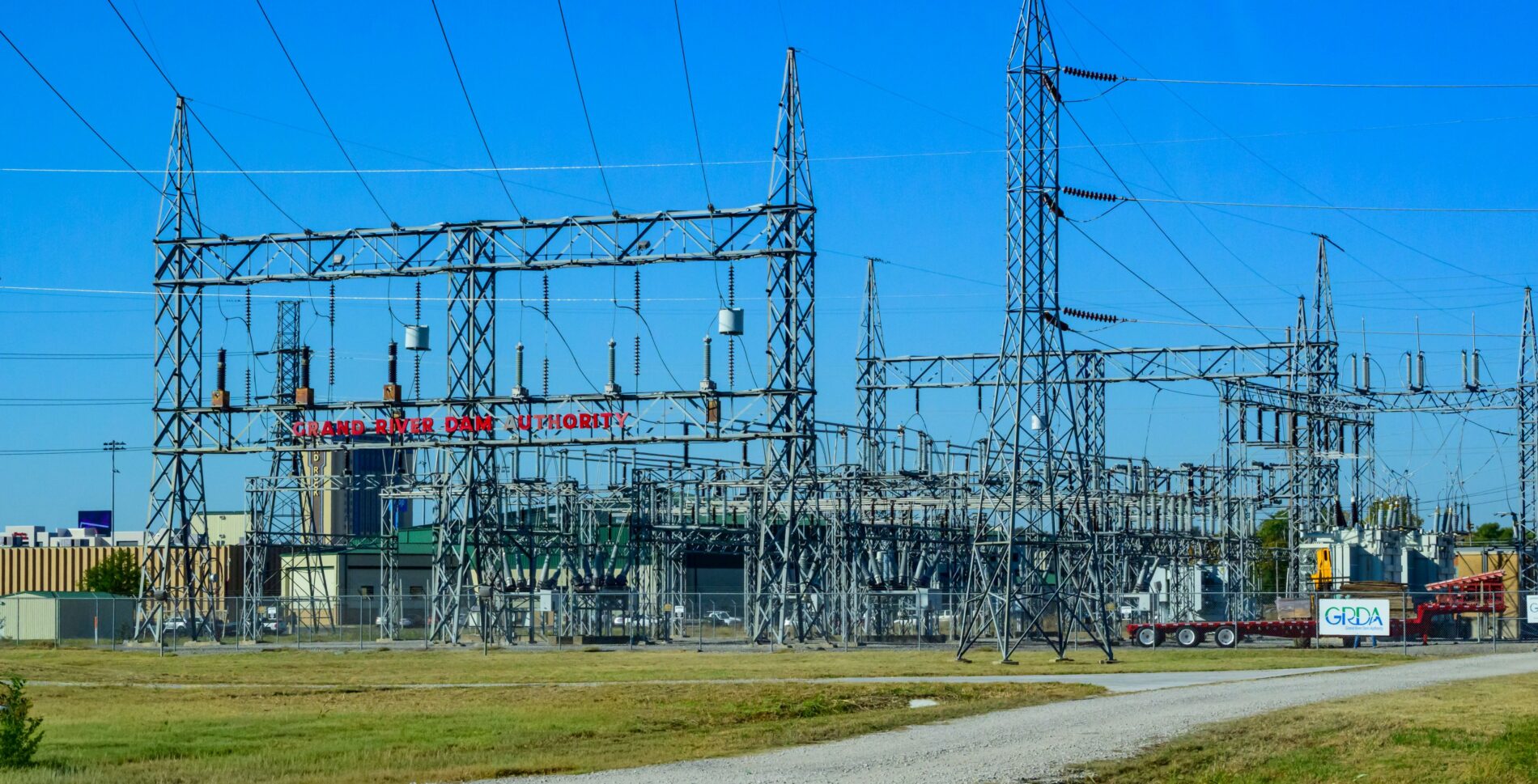
Image: Shutterstock
US Power Grid: PJM Activates Load Management
PJM had already issued a Maximum Generation Alert and a Load Management Alert for September 17 on the previous day. The grid operator initially anticipated a peak load of 133,355 megawatts. At the same time, more than 35,000 megawatts of generation capacity were offline due to scheduled outages. Additionally, neighboring regions to the south and west required extra power imports due to even higher temperatures.
On September 17, the updated load forecast stood at approximately 132,000 megawatts. Nevertheless, around 36,000 megawatts of power plant capacity remained offline, in addition to outages within the transmission network. Consequently, PJM activated several demand-response programs in the afternoon to boost reserves for the evening peak. PJM also declared an EEA 2 emergency load management event for the BGE, Pepco, and Dominion areas.
Emergency order authorizes additional power plants and backup power
The emergency order issued under Section 202(c) of the Federal Power Act granted PJM additional intervention powers. This allowed the grid operator to utilize specific generation facilities and, if necessary, temporarily bypass certain environmental restrictions. Furthermore, PJM could require large electricity consumers with their own backup power systems to switch to their own generators. This measure was considered a last resort prior to an even more severe EEA-3 situation.
However, the strain on the US power grid was not caused solely by high consumption. The heatwave coincided with the start of the customary autumn maintenance season. Consequently, PJM had postponed or cancelled scheduled maintenance wherever technically feasible. For comparison, power plant outages during the July heatwave amounted to approximately 19,000 megawatts.
Situation Eases by Evening
On September 17, PJM confirmed a reliability need for the additional resources specified in the DOE order. However, the assessment eased significantly that same evening; the grid operator foresaw no further need for these resources on September 18. Consequently, PJM did not anticipate the continuation of the extraordinary emergency conditions beyond September 17.
A widespread blackout was thus averted, though the US power grid required actual operational interventions. PJM activated demand response measures, kept additional generation capacity available, and prepared for curtailments affecting large-scale consumers. At the same time, the incident illustrates the consequences of high load, maintenance-related outages, and limited reserves coinciding. The emergency order expired on September 18, following the easing of the operational situation the previous evening.
Verfasser: Blackout News
Verwendete Quellen:
https://paenvironmentdaily.blogspot.com/2026/09/pjm-interconnection-maximum-generation.html
https://insidelines.pjm.com/pjm-operations-update-sept-17-2026
https://www.energy.gov/articles/energy-secretary-secures-mid-atlantic-grid-due-anticipated-stressed-system-conditions