
China, August 2026: A new study published in Science links the rapid expansion of solar farms to a measurable decline in bird diversity. Researchers analyzed data from 2,344 counties covering the period from 2014 to 2023. For every one-standard-deviation increase in the intensity of PV promotion policies, the Shannon index of bird diversity fell by 2.1 percent. However, the effect was particularly pronounced in wealthier regions and areas not characterized by desert landscapes, as well as among widespread species. The study identifies the conversion of cropland and grassland—resulting in the loss of diverse habitats—as the primary cause.
Solar parks alter habitats through land-use change
The Shannon index measures not only the number of species but also their abundance distribution. A decline of 2.1 percent therefore does not mean that 2.1 percent of all birds have disappeared. Rather, the study measures a deterioration in local diversity within the districts surveyed. It thus describes a statistically demonstrable effect of subsidy policies on the composition of bird populations.
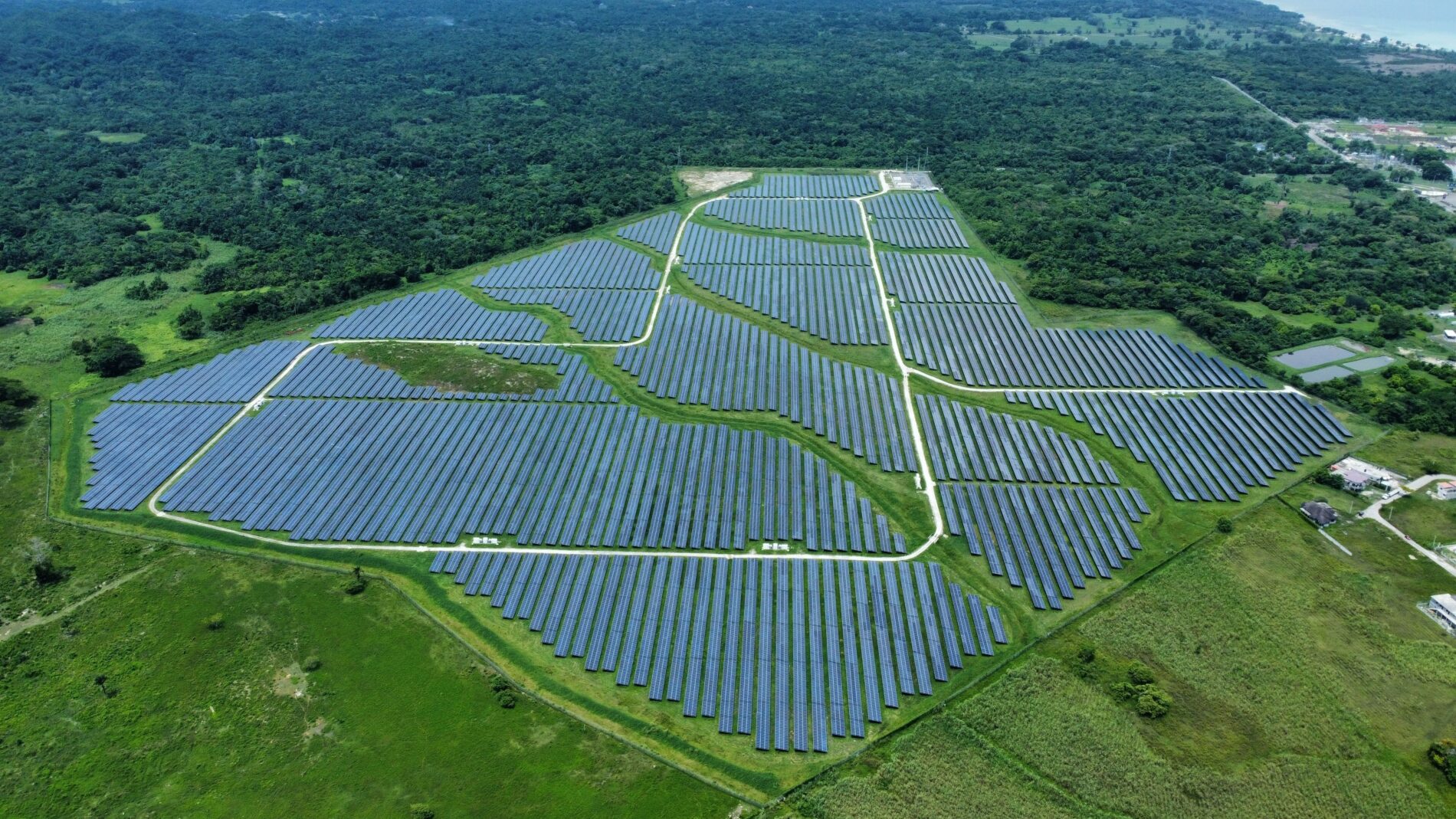
Image: Shutterstock
However, another finding regarding the vegetation stands out. Following installation, the leaf area index increased in some cases, while plant diversity declined. The authors therefore refer to this as “inferior greening”—vegetation cover of lower ecological quality. Consequently, solar parks can make an area appear greener, even as the vegetation structure becomes more uniform.
Further studies present a mixed picture
A French study from March 2026 also provides evidence of changes occurring directly beneath photovoltaic modules. Researchers examined 20 installations across two regions in southern France, comparing soil, vegetation, and small fauna. Soil respiration beneath the modules was 62 percent lower than on unshaded reference plots. The number of small soil-dwelling animals dropped by 38 percent, with maintenance methods also influencing the results.
However, a research review in the journal Applied Energy does not present a uniformly negative picture. The authors analyzed 54 studies on photovoltaics and biodiversity. Installations on natural land more frequently showed negative impacts, whereas degraded or species-poor sites offered the potential for ecological improvements. Where planning and maintenance prioritized biodiversity, 69 percent of the relevant studies reported positive effects at the site. Meanwhile, a separate study from China found that approximately ten percent of the PV sites examined overlapped with important biodiversity areas.
Germany Plans Significant Expansion of Ground-Mounted PV
By the end of 2025, Germany had installed approximately 40 gigawatts of ground-mounted photovoltaic (PV) capacity across roughly 52,000 hectares. However, around 29,000 hectares—or 55 percent—of this total were located on arable land. The German Environment Agency (UBA) projects that continued expansion will result in a total of 96,000 to 109,000 hectares being used by 2030. By 2040, solar parks could potentially occupy between 150,000 and 195,000 hectares. Consequently, the choice of location is becoming increasingly important.
The Federal Agency for Nature Conservation (BfN) also warns of potential losses regarding open-land species such as the northern lapwing and the common quail. Shading beneath and to the north of the solar panels often leads to the development of plant communities with lower biodiversity. This, in turn, can affect insects that rely on sunlit areas and a diverse range of flowering plants. At the same time, the BfN emphasizes that ecologically designed installations can enhance the value of species-poor agricultural land. Key factors in this regard include the land’s prior use, the specific location, panel spacing, maintenance practices, and the provision of sufficient open space.
Author: Blackout News
Sources: Science (20.08..26) – University of Maryland (20.08.26) – Applied Energy (15.08.26)